 Tampa Siding
 Why Land O' Lakes Homes Need Windows Built for This Climate
Land O' Lakes sits inland from Tampa Bay, but that doesn't buy a house much protection from what west central Florida weather does to windows over time. Hurricane-force winds still reach this far inland during a storm, wind-driven rain still finds every weak seal, and the sun is up and beating on glass and frames nearly every day of the year. The one thing that's different here compared to homes right on the water is salt air corrosion — it's a smaller factor in Land O' Lakes than it is for houses a few miles from the bay, though metal hardware and fasteners still benefit from corrosion-resistant components given how humid it stays most of the year.
Custom windows matter here because Land O' Lakes has a real mix of housing stock — newer production-built subdivisions, older ranch homes, and everything in between. Stock window sizes rarely fit openings exactly, especially in homes more than a couple decades old where the rough openings were framed to whatever was available at the time. A correct window install starts with measuring what's actually there, not ordering off a size chart and forcing it to fit.
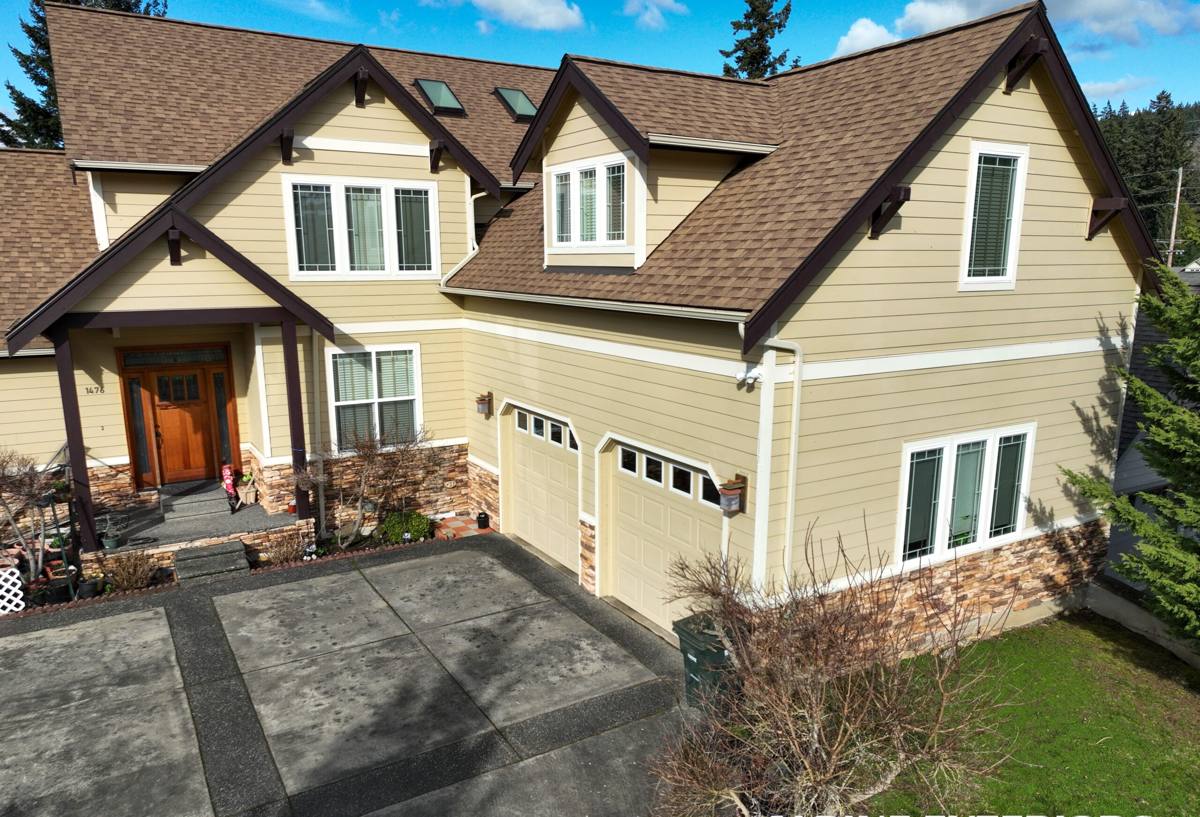
What "Custom" Actually Means for a Window Job
"Custom" doesn't have to mean unusual shapes or high-end architectural glass, though we do that too. Most of the custom work we do in Land O' Lakes is about getting standard-looking windows to fit and perform correctly in openings that aren't standard. That includes:
- Exact measurement of each opening, since even windows in the same wall can vary by a half inch or more in older homes
- Matching window height and sightlines across a room or elevation so the house doesn't end up with mismatched trim lines
- Selecting the right glass package for orientation — a west-facing window dealing with afternoon sun needs different glass than a shaded north-facing one
- Choosing a frame depth and mounting method that matches the existing wall construction, whether that's block, frame, or a stucco-over-block hybrid common in this area
Getting these details right is the difference between a window that looks and performs like it was built for the house, and one that looks like it was dropped in and caulked around the edges.
New Construction vs. Retrofit Openings
There are two very different ways a window gets installed, and it changes the job significantly:
- New construction / full-frame replacement: The old window and its frame come out completely, down to the rough opening. This lets us fix any rot, corrosion, or moisture damage hiding behind the old unit before the new one goes in. It's more labor, but it's the right call any time there's water staining, soft wood, or visible damage around the current window.
- Retrofit / insert replacement: The new window is built to fit inside the existing frame, which stays in place. This is faster and less invasive, and it works well when the existing frame is still sound. It's not the right choice if there's already damage behind the frame — installing over a problem doesn't fix it.
We'll tell you honestly which one your house needs after we look at the actual openings, not just quote whichever is easier to sell.
Impact Glass, Film, and Shutters — What Actually Protects a Window
Homeowners in this area often ask us to compare their options for storm protection. Each has real tradeoffs worth understanding before you decide.
| Option | How It Works | Tradeoffs |
|---|---|---|
| Impact-rated windows | Laminated glass bonded to an interlayer stays intact under impact instead of shattering out of the frame | Higher upfront cost; no separate storm prep needed before a storm; also cuts UV and outside noise year-round |
| Accordion or roll-down shutters | A separate physical barrier deployed over standard glass windows | Lower cost per opening; requires deployment before every storm; doesn't help with daily UV or noise |
| Storm film on existing glass | A film applied to existing glass to help hold shards together on impact | Cheapest option; does not meet impact window code requirements on its own and is not a substitute for a certified system |
Our standard is to install products that carry real, verifiable impact and wind-load ratings for the openings they're going into — not to sell whatever has the lowest sticker price. If a product doesn't have the testing and documentation to back up how it's marketed, we won't put our name on the install.
Frame Material: Vinyl, Aluminum, and Fiberglass
The frame matters as much as the glass, especially with Florida's heat and humidity working on it every day.
| Frame Material | Strengths | Watch-outs |
|---|---|---|
| Vinyl | No corrosion, good insulation value, low maintenance | Can expand/contract with heat over time; darker colors absorb more heat |
| Aluminum | Strong, slim sightlines, holds up structurally | Conducts heat unless thermally broken; needs corrosion-resistant hardware near the bay |
| Fiberglass | Very stable dimensionally, low expansion/contraction, long service life | Higher upfront cost than vinyl |
There's no single "best" frame material for every house — it depends on the window size, the home's style, and what you're trying to optimize for. We'll walk through the real tradeoffs for your specific openings rather than pushing one material across the board.
Our Installation Process
- On-site assessment: We measure every opening individually and check the condition of the framing, sill, and surrounding wall material.
- Honest scope recommendation: We tell you which openings can be a retrofit insert and which need full-frame replacement, and why.
- Product selection: We go through glass packages, frame materials, and impact ratings based on your budget and the orientation of each window.
- Permitting: Window replacement in this area typically requires a permit, and impact-rated products need to meet the wind-borne debris requirements that apply to your address. We handle the permit process rather than leaving it to you.
- Removal and prep: Old units come out carefully, and we check for and address any hidden moisture or wood damage before anything new goes in.
- Installation and sealing: Correct flashing, sealant, and fastening at every opening — this is where most window failures actually start, not with the window itself.
- Final inspection: We confirm operation, seal integrity, and that everything is ready for the required inspection sign-off.
Permitting and Code in Pasco County
Window replacement isn't a project you can just do and skip the paperwork on — it needs a permit, and the new windows need to meet the wind-load and wind-borne debris requirements that apply to your specific address and wind zone. This isn't a formality; it's what protects the house and what an insurance company or future buyer will ask about. We pull permits as part of the job and make sure the products we install carry documentation that matches what the county requires. If a contractor offers to skip the permit "to save time," that's a red flag, not a favor.
Signs Your Current Windows Are Already Failing
A lot of window problems in this climate develop slowly enough that homeowners get used to them before realizing they're a problem. Worth checking for:
- Fogging or condensation between panes of double-pane glass — the seal has failed and it can't be repaired, only replaced
- Soft or discolored wood or drywall around the frame, which usually means water has been getting in behind the trim
- Windows that are hard to open, close, or lock, especially after humid stretches
- Visible daylight or a draft around the frame when the window is closed
- Chalky, faded, or pitted frame finish from years of direct UV exposure
- A noticeable rise in cooling costs with no other explanation
Any one of these on its own might not mean full replacement, but a few together usually means the windows are past the point where sealant and adjustment will fix it.
Why It Matters That We Already Work in Land O' Lakes
A window contractor who's worked in this specific area knows the housing stock — what the production-built subdivisions typically have for rough openings, what the older stucco-over-block homes need, and what the local permitting office actually wants to see on an application. That familiarity cuts down on surprises mid-project, and it means the crew showing up at your door has already solved the kind of problems your house is likely to have.
It also means we're not guessing at what this climate does to windows over ten or fifteen years. We've seen how UV breaks down cheap frame finishes, how wind-driven rain finds a bad seal, and how a storm tests every weak point in an installation. That's the standard we build to, not the minimum the code requires.
Get a Free, No-Pressure Estimate
If your windows in Land O' Lakes are aging, drafty, fogged, or you're planning ahead for storm season, we're happy to come take a look and give you a straight answer about what your home actually needs. Use the form below to request a free estimate — no pressure, no hard sell, just an honest assessment of your options.