 Tampa Siding
 Roofing in Land O' Lakes Takes a Different Kind of Beating
Land O' Lakes sits inland from Tampa Bay, but that doesn't spare it from the same weather that wears down roofs across the region. Summers bring near-daily afternoon thunderstorms with wind-driven rain that finds every gap in aging flashing. Winters and springs are drier, but the sun doesn't let up — Florida gets some of the most intense year-round UV exposure in the country, and that UV load bakes asphalt shingles brittle years before their rated lifespan. Add the occasional tropical system pushing hurricane-force gusts through the area, and you've got a roof that's working hard every single day it's up there.
None of this means every roof in Land O' Lakes fails early. It means the margin for error in materials and installation is smaller here than it is in a mild, dry climate. A roof that's installed correctly — right underlayment, right ventilation, right fastening pattern — holds up. One that's cut corners shows it fast, usually as a leak during the first real summer storm.
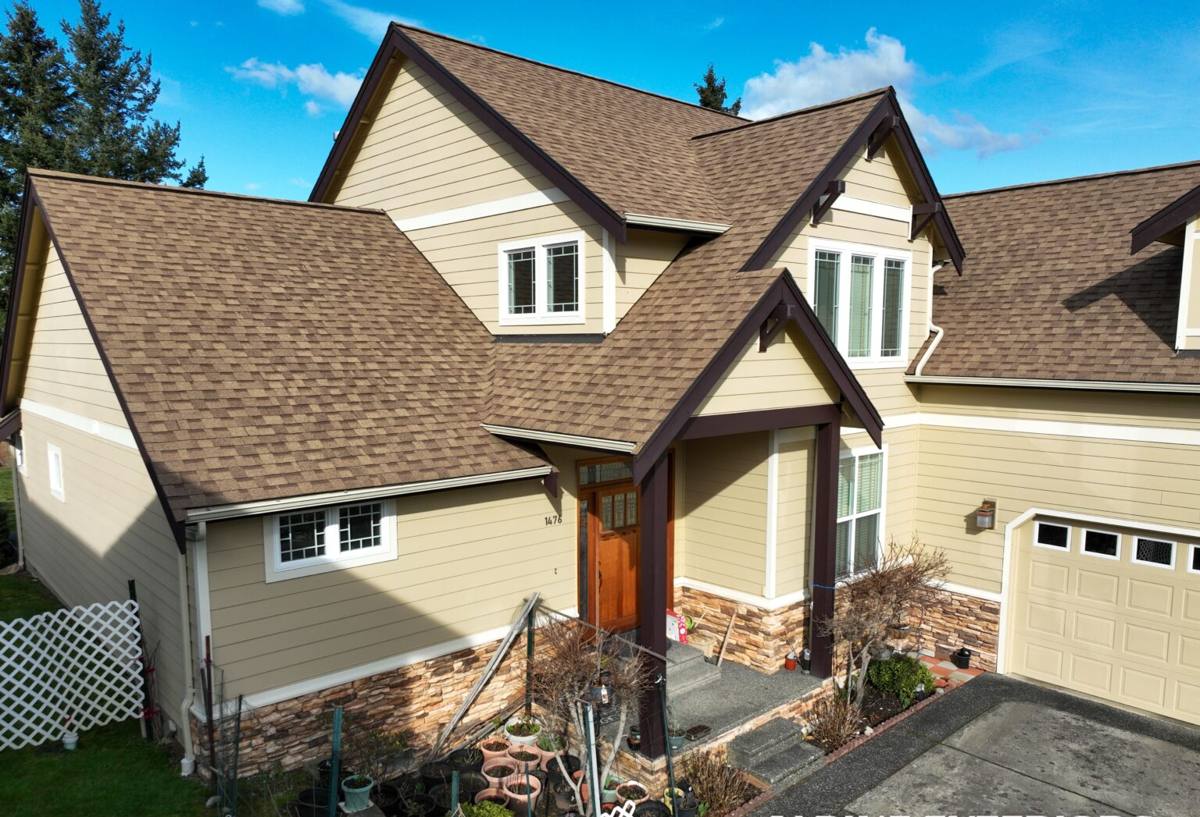
Signs a Land O' Lakes Roof Needs Replacing, Not Patching
Not every roofing problem calls for a full replacement, and a straight shooter will tell you when a repair is genuinely the right call. But there's a point where patching becomes a losing game — you're spending money to delay the same expense a year or two down the road. Here's what usually tips the scale toward replacement:
- Shingles that are cupping, curling, or missing granules across large sections of the roof, not just one isolated spot
- Multiple soft spots in the decking when walked, which usually means water has already gotten past the shingles
- A roof that's 18-20+ years old (standard asphalt shingle life expectancy), especially if it's never been re-roofed
- Recurring leaks in different locations after storms, rather than one consistent trouble spot
- Visible daylight through the attic decking, or consistent moisture/staining on attic rafters
- Granules collecting in gutters and downspouts in noticeable amounts
- A recent hurricane or severe wind event that lifted shingles or damaged the roof deck itself
If you're only seeing one or two of these, a repair may buy you real time. If you're seeing several at once, replacement is almost always the more honest recommendation — and the more economical one over a 5-10 year horizon.
What a Correct Roof Replacement Actually Involves
Full Tear-Off, Not Overlay
Florida building code generally limits roofs to a single existing layer before a full tear-off is required, and for good reason — layering new shingles over old ones traps heat, hides deck damage, and voids most manufacturer warranties outright. A proper replacement means stripping the roof down to bare decking so the crew can actually see what's underneath.
Deck Inspection and Repair
Once the old roofing is off, the plywood or OSB decking gets inspected board by board. Any wood that's soft, delaminated, or water-stained gets cut out and replaced before anything new goes down. Skipping this step is one of the most common ways a "new roof" ends up leaking within a year — new shingles over a compromised deck just hide the problem again.
Underlayment and Flashing
In a climate with this much wind-driven rain, underlayment isn't a formality — it's the roof's actual second line of defense. Self-adhering underlayment along eaves, valleys, and around penetrations gives the roof a sealed layer even if wind ever drives water up under the shingles. New flashing at every wall intersection, chimney, skylight, and vent stack matters just as much as the shingles themselves; most roof leaks trace back to failed flashing, not failed shingles.
Ventilation
Attic ventilation gets overlooked constantly, but in a hot, humid climate it directly affects both shingle life and energy bills. A balanced intake-and-exhaust system keeps attic temperatures down, which slows shingle aging from the underside and reduces moisture buildup that can rot decking or feed mold.
Fastening for Wind
Florida code specifies nailing patterns and fastener counts based on wind exposure for the area, and Tampa Bay's exposure ratings aren't the lowest in the state. Six-nail patterns instead of four, correctly placed (not overdriven or underdriven), make a measurable difference in how a roof performs when gusts hit 60, 80, or 100+ mph.
Material Options for Land O' Lakes Homes
There's no single "best" roofing material — the right choice depends on budget, how long you plan to stay in the home, and how much upfront cost versus long-term durability you're willing to trade off.
| Material | Typical Lifespan | How It Handles Local Climate | Relative Cost |
|---|---|---|---|
| 3-Tab Asphalt Shingle | 15-18 years | Lowest wind resistance of common options; UV degrades faster | Lowest |
| Architectural (Dimensional) Shingle | 20-30 years | Better wind rating, thicker mat handles UV and impact better | Moderate |
| Metal Roofing | 40-50+ years | Excellent wind and UV performance; reflects heat well | Higher upfront |
| Concrete/Clay Tile | 50+ years | Very durable against UV and wind when installed correctly; heavier structural load | Highest upfront |
Most Land O' Lakes homeowners land on architectural shingles for the balance of upfront cost and real-world durability, but we'll walk through metal or tile honestly if you're planning to stay long-term or want to minimize future re-roofing altogether.
How Our Replacement Process Works
- On-site inspection and estimate — we look at the current roof, attic, and decking condition before quoting anything, so the number you get reflects your actual roof, not a generic average.
- Material selection — we go over shingle grades, color options, and any upgrades (ventilation, underlayment class) so you're deciding with full information.
- Permitting — we pull the required permit through the local building department before work starts. This isn't optional paperwork; it protects you if there's ever a warranty or insurance question later.
- Tear-off and disposal — old roofing comes off and is hauled away the same day whenever possible, so your home isn't exposed overnight.
- Deck repair — any compromised decking is replaced before underlayment goes down.
- Underlayment, flashing, and shingle installation — installed to manufacturer spec and Florida wind code requirements.
- Final inspection — both our own quality walk-through and, where required, the local building inspector sign off before the job is closed out.
- Cleanup — magnetic sweep for nails and full site cleanup before we consider the job finished.
Permits, Wind Codes, and Insurance in the Tampa Bay Area
Land O' Lakes sits in Pasco County, just north of Hillsborough and the Tampa metro, and both counties fall under Florida's statewide building code with wind-load requirements set for the region's hurricane exposure. That means fastening patterns, underlayment class, and in some cases impact-resistance ratings aren't optional upgrades — they're baseline code. A contractor who pulls permits and builds to code isn't being bureaucratic; they're making sure the roof is actually rated for what Tampa Bay weather will throw at it, and that you have a paper trail if you ever need to file an insurance claim.
Many homeowners insurance policies in this area also offer premium discounts for a wind mitigation inspection after a new roof goes on — documenting things like roof shape, secondary water barrier, and fastening method. It's worth asking your insurer about this once your replacement is complete; it can meaningfully offset the cost of the job over a few years.
Why Hiring a Crew That Already Works in Land O' Lakes Matters
Roofing code, permitting offices, and wind-rating requirements vary by jurisdiction, and a crew that regularly works Pasco County and the greater Tampa area already knows the local permitting process, inspection expectations, and what actually holds up against this specific climate — not a generic national average. That familiarity shows up in fewer surprises: fewer permit delays, fewer callback trips, and a roof that's built for the storms and sun this area sees every year, not a milder climate somewhere else.
It also matters after the job is done. A local crew is reachable if a question comes up two years later — a shifted tile, a flashing question after a bad storm — instead of being a name on an invoice from a company that worked the area for one season and moved on.
What to Have Ready Before Your Estimate
- The rough age of your current roof, if known (or when you bought the home)
- Any known leak history — even minor stains you've noticed inside
- Whether you've had storm damage assessed or an insurance adjuster out recently
- A general sense of how long you plan to stay in the home (helps guide material choice)
- Any HOA guidelines on shingle color or roofing material, if applicable
Having these on hand makes the estimate visit faster and the resulting quote more accurate — no guessing, no padding.
If your roof is showing its age or you just want an honest read on where it stands, we're happy to take a look. The estimate is free, there's no pressure, and you'll get a straight answer about whether you need a repair or a full replacement — just fill out the form below to get started.