 Tampa Siding
 Siding Built for Land O' Lakes, Not Just "Florida"
Land O' Lakes has grown fast over the last two decades, and most of that growth shows up as newer subdivisions built on land that was pasture or scrubland not long ago — cleared lots, young landscaping, full sun exposure on most elevations, and a lot of lakes and wetlands scattered through the area (it's in the name for a reason). That mix matters for siding. New construction siding is usually builder-grade and installed fast to meet a closing date, and a community with this much standing water and vegetation carries more ambient humidity than a lot of homeowners realize. When we install siding in Land O' Lakes, we're accounting for both: a product and installation method that can take the sun and the moisture, not just one or the other.
This page covers siding installation specifically for Land O' Lakes homes — what the climate actually does to siding here, what a correctly installed job looks like, and how our process works. If you're comparing materials in general, that's a separate conversation; this one is about doing the installation right for this part of the Tampa Bay area.
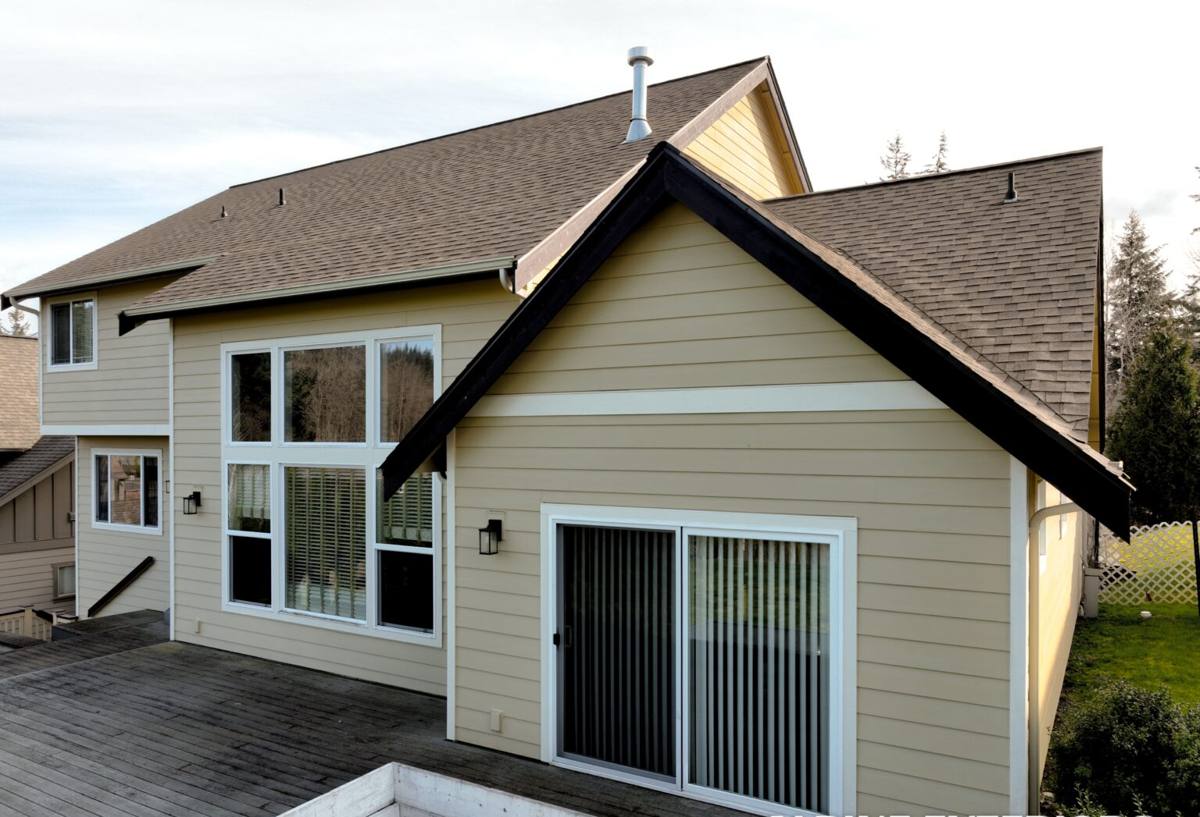
What This Climate Does to Siding
Land O' Lakes sits inland from Tampa Bay, which spares it the direct salt spray that coastal Pinellas and south Hillsborough homes deal with — but it doesn't spare it from much else. A few things every siding job here has to plan for:
- Hurricane-force wind exposure. Land O' Lakes falls within the same regional wind field as the rest of the Tampa Bay area during tropical systems. Siding that isn't fastened to spec becomes the first thing that peels, cracks, or launches in a storm.
- Intense, near-daily UV. West central Florida gets sun exposure most of the year, and south- and west-facing walls take the brunt of it. Cheap or thin factory finishes chalk, fade, and go brittle years before the manufacturer's warranty runs out.
- Wind-driven rain from afternoon storms. Summer thunderstorms here don't fall straight down — they come in sideways, and they hit siding seams, corners, and penetrations repeatedly, all season, every season.
- Elevated humidity from surrounding lakes and wetlands. Even without coastal salt air, the moisture load in this part of Pasco County keeps siding and the sheathing behind it damp longer than it would be further inland. Materials that absorb and swell with moisture pay for it over time.
None of this is unique to any one house — it's the baseline every home in the area is up against. The difference between siding that holds up and siding that doesn't usually comes down to the material and the installation, not the weather.
What Correct Siding Installation Actually Involves
"Siding installation" sounds simple, but the parts that determine whether it lasts are mostly things you can't see once the job is done. A correct install includes:
A proper drainage plane
Siding is not the only thing keeping water out of your walls — it's the first layer over a weather-resistive barrier that's supposed to manage any moisture that gets past the siding itself. Housewrap has to be installed correctly, lapped in the right direction, and sealed at every penetration. Skipping or rushing this step is invisible on install day and expensive five years later.
Flashing at every transition
Windows, doors, roof lines, and anywhere two planes of the house meet are where water finds a way in. Proper flashing — not caulk used as a substitute for flashing — is what actually keeps wind-driven rain out of the wall assembly.
Manufacturer-spec fastening
Fastener type, spacing, and placement aren't a preference — they're what the wind-load rating of the siding depends on. Under-fastened or mis-fastened siding may look fine for years and then fail all at once in a storm.
Correct clearances
Siding held too tight to grade, roofing, or a patio slab wicks up moisture continuously. Manufacturer-required clearances exist specifically to keep the bottom edge of the siding dry.
Joint and seam treatment
Every butt joint, corner, and penetration is a place water can get behind the siding if it isn't caulked, flashed, or capped correctly and left to cure properly before the next step.
A crew that treats these steps as boxes to check moves fast and looks fine at handoff. A crew that treats them as the actual job is the difference between siding that's still doing its work in twenty years and siding that's already showing problems in five.
Why We Only Install James Hardie Fiber Cement
We install one siding system: James Hardie fiber cement, in the HZ10 product line engineered for Florida's humidity and heat. We don't install vinyl, LP SmartSide, Cemplank, Allura, or bare wood siding — not because those products have no legitimate use anywhere, but because we've made a professional call about what holds up to this specific climate over the long haul, and we'd rather stand behind one system we trust completely than offer several we'd have reservations about.
Fiber cement is non-combustible, doesn't absorb and swell with moisture the way wood-based products can, and doesn't soften or deform in direct summer sun the way vinyl can on hot west-facing walls. James Hardie's ColorPlus factory finish is baked on and warrantied against fading and peeling, which matters in a market that gets this much direct UV for this much of the year. It's also heavy and rigid enough to hold a fastening pattern that performs well in high wind — a meaningful factor anywhere in the Tampa Bay hurricane corridor, Land O' Lakes included.
None of that replaces correct installation. Hardie siding installed poorly will still fail at the seams and flashing points. But starting with a product engineered for this climate, and then installing it to spec, is how siding actually lasts here.
How the Main Siding Materials Compare
| Material | Moisture behavior | UV / fade resistance | Wind performance | Our position |
|---|---|---|---|---|
| James Hardie fiber cement | Does not swell, rot, or absorb water like wood-based products | Factory ColorPlus finish, warrantied against fading | Heavy, rigid, engineered fastening pattern for wind zones | What we install |
| Vinyl | Doesn't rot, but can warp behind glass or on hot walls | Colors fade over time; dark colors fade faster | Lighter panels can crack or blow off in high wind if under-fastened | Not installed by us |
| LP SmartSide | Wood-strand product; performs well when perfectly sealed, vulnerable if compromised | Factory finish available, but wood substrate is the weak point | Generally solid when installed to spec | Not installed by us |
| Primed spruce / cedar | Absorbs moisture readily; needs ongoing sealing and paint maintenance | Paint fades and needs recoating on a regular cycle | Performance depends heavily on maintenance condition | Not installed by us |
This isn't a claim that the other materials can't work anywhere — it's an explanation of the trade-offs that led us to standardize on one system for the climate we actually work in.
Our Installation Process
- On-site assessment. We look at your home's current siding condition, sheathing, existing moisture damage if any, sun exposure by elevation, and any HOA design requirements common in many Land O' Lakes neighborhoods.
- Removal and inspection. Old siding comes off and we inspect the sheathing underneath for rot, soft spots, or prior water intrusion before anything new goes up.
- Repair as needed. Damaged sheathing gets replaced — never sided over — because covering a problem doesn't fix it.
- Weather barrier installation. A new drainage plane goes on, correctly lapped and sealed, before any siding is hung.
- Flashing at all penetrations. Windows, doors, and any wall-mounted fixtures get properly flashed, not just caulked.
- James Hardie installation to manufacturer spec. Fastening pattern, clearances, and joint treatment follow Hardie's published requirements, not shortcuts.
- Final walkthrough. We go over the finished job with you, including what maintenance (if any) it needs going forward.
Issues We Commonly See on Local Re-Sides
When we're called out to replace siding in Land O' Lakes, a few patterns show up often enough to be worth mentioning:
- Builder-grade siding that was never properly flashed at windows, leading to hidden sheathing damage that only surfaces once the siding is removed.
- Caulk used in place of flashing at trim and window transitions — it fails long before the siding itself does.
- Siding installed too close to grade or a patio slab, wicking moisture up from below for years.
- Sun-faded or chalking finishes on south- and west-facing walls from materials without a durable factory finish.
- Fastener patterns that don't match the product's wind rating, which becomes obvious the first time a storm rolls through.
None of these are visible from the curb until they've already caused damage — which is why the installation details matter more than the finished look on day one.
Maintenance to Expect After Installation
Correctly installed James Hardie siding is low-maintenance, not no-maintenance. In this climate, plan on:
- Rinsing the exterior periodically to clear pollen, dust, and mildew growth that humid air encourages.
- A visual check after major storms for cracked panels, loose fasteners, or damaged trim — catching this early prevents water intrusion.
- Re-caulking joints and penetrations on the manufacturer's recommended cycle, since caulk is a maintenance item even on a well-installed job.
- Keeping irrigation heads and sprinklers from spraying directly on siding, which shortens the life of any exterior finish over time.
What to Ask Before Hiring a Siding Installer
A lot of siding problems in this area trace back to who did the installation, not what material was used. Before you hire anyone for a siding job in Land O' Lakes, ask:
- Are you installing to the manufacturer's published fastening and clearance specifications, and can you show me what those are?
- How do you handle flashing at windows, doors, and roof transitions — and will you walk me through it?
- What happens if you find damaged sheathing once the old siding is off?
- Is your crew familiar with local wind-load and building code requirements for this area?
- What's actually covered under the material warranty versus your installation warranty, and for how long?
A contractor who answers these clearly and specifically is telling you something useful about how they'll treat the parts of the job you won't be able to see once it's finished.
Ready for a Straight Answer on Your Siding?
If your Land O' Lakes home needs new siding — or you're just trying to figure out whether what's on it now is holding up the way it should — we'll take a look and give you a straightforward assessment. The estimate is free, there's no pressure, and you'll get a clear explanation of what we'd recommend and why. Use the form below to get started.