 Tampa Siding
 Why Brandon Roofs Wear Out Differently Than Roofs Up North
Brandon sits inland from Tampa Bay in Hillsborough County, which means it gets a mix of exposures most homeowners don't think about until a roof starts failing: long stretches of intense summer sun, sudden afternoon thunderstorms with wind-driven rain, and the occasional direct hit or near-miss from a tropical system. A roof built to a national average spec doesn't hold up the same way here. The materials, the fastening pattern, the underlayment, and the flashing details all need to account for what this specific climate does to a roof year after year.
When we install a new roof in Brandon, we're not just swapping old shingles for new ones. We're building an assembly meant to survive UV degradation, hold up under hurricane-force wind uplift, shed wind-driven rain instead of letting it work backward under shingles, and resist the slow corrosion that comes with Florida's humidity and coastal-influenced air. Get any one of those wrong and the roof looks fine for a year or two before problems start showing up as leaks, granule loss, or blown-off shingles in the next big storm.
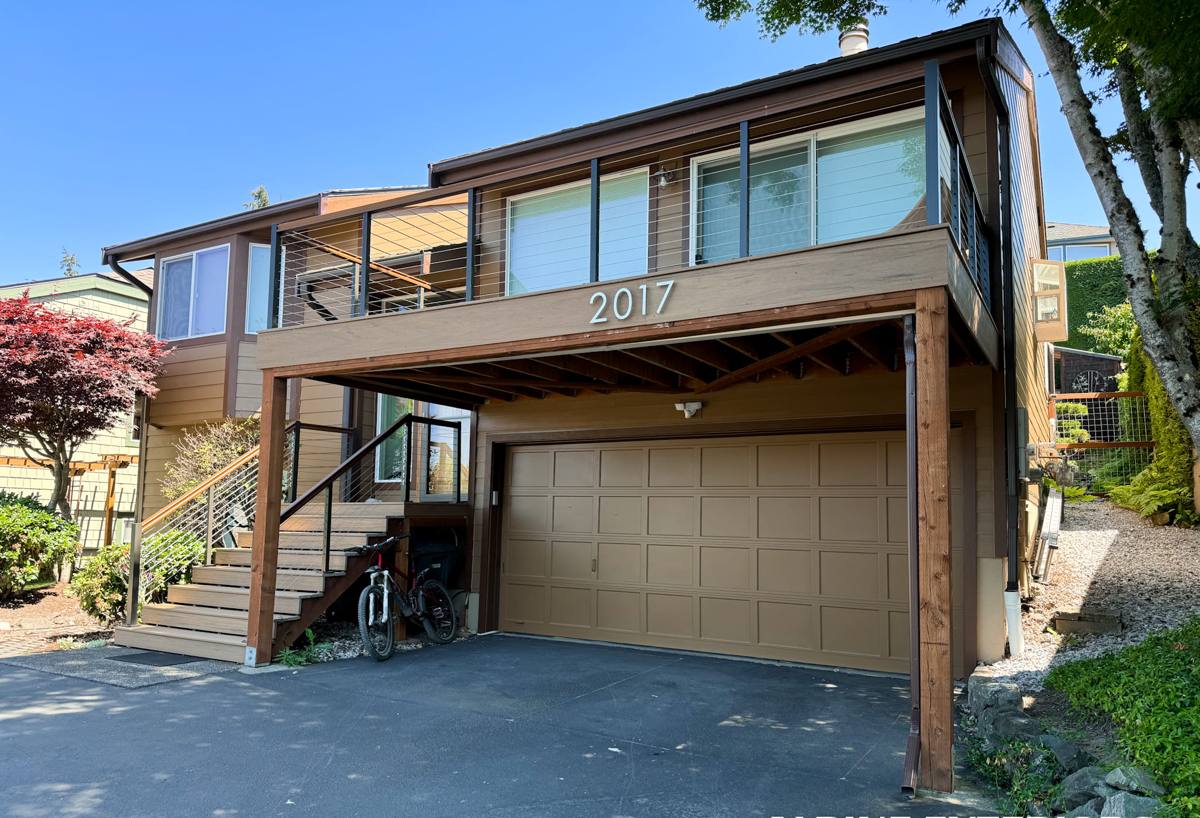
What the Brandon Climate Actually Does to a Roof
UV and Heat
Central Florida sun is relentless. Asphalt shingles here take far more UV exposure annually than the same product installed in a northern state, which accelerates oil loss in the asphalt and leads to granule shedding and brittleness years before a manufacturer's rated lifespan. Attic heat buildup adds to this from underneath, baking shingles from both sides if ventilation isn't handled correctly.
Wind-Driven Rain and Storms
Thunderstorms roll through Hillsborough County most afternoons in summer, and wind isn't just a hurricane-season concern — it's a near-daily factor in how a roof needs to perform. Rain that comes in sideways can find its way under improperly sealed shingles, around poorly flashed penetrations, or through nail lines that weren't sealed with the right underlayment. A roof that only handles straight-down rain isn't built for this area.
Humidity and Salt Air
Even well inland, Tampa Bay's proximity means salt-laden air travels further than most people expect, especially during onshore wind events. That salt content accelerates corrosion on exposed metal — nails, flashing, vent stacks, and fasteners — which is why material choice and fastener grade matter more here than in a drier, inland climate.
What a Correctly Installed New Roof Includes
A new roof is really a system of layered components, not just the shingles you see from the street. Skipping or downgrading any layer is where most premature failures start.
- Tear-off and deck inspection: Full removal of the old roofing material down to the deck, so we can find and repair any soft, rotted, or water-damaged sheathing before it's covered up.
- Deck repair: Replacing damaged plywood or OSB sections and confirming the deck is properly fastened to code before anything new goes on top.
- Underlayment: A synthetic or self-adhering underlayment rated for wind-driven rain protection, installed with the correct lap and fastening pattern.
- Starter strips and drip edge: Properly installed at eaves and rakes to prevent wind from getting underneath the first course of shingles or tile.
- Flashing: New step flashing, valley flashing, and pipe boot flashing at every penetration and wall intersection — reused old flashing is one of the most common causes of "new roof" leaks.
- Field material: Shingles, tile, or metal installed to the manufacturer's high-wind fastening specification, not the minimum standard pattern.
- Ridge and hip finishing: Ridge vent or cap installed with attention to both ventilation and wind resistance.
- Attic ventilation check: Confirming intake and exhaust ventilation are balanced, since poor attic ventilation shortens shingle life regardless of how well the roof itself is installed.
Choosing the Right Roofing Material for Brandon Homes
There's no single "best" roofing material for every home — it depends on the roof's slope, the home's structure, budget, and how long the homeowner plans to stay in the house. What matters is picking a material and matching it with an installation method suited to this climate, rather than defaulting to whatever is cheapest to install quickly.
| Material | Typical Lifespan Here | Wind Performance | Key Consideration |
|---|---|---|---|
| Architectural asphalt shingle | 18–25 years | Good with high-wind nailing pattern | Most cost-effective; quality varies significantly by underlayment and installation |
| 3-tab asphalt shingle | 12–18 years | Lower wind rating | Lower upfront cost, shorter service life in this climate |
| Standing seam metal | 40–50+ years | Excellent | Higher upfront cost, strong long-term value, handles UV and wind well |
| Concrete or clay tile | 30–50 years | Excellent when properly fastened | Heavier — requires structural check; underlayment condition matters more than the tile itself |
We walk homeowners through these trade-offs honestly rather than pushing one product. A roof that's correctly installed and properly ventilated will always outperform a premium material that was installed to a bargain-bin spec.
Our Process for a Brandon Roof Replacement
- On-site inspection: We assess the current roof, attic ventilation, deck condition (where visible), and any signs of past leaks or storm damage.
- Written estimate: A clear scope of work and material breakdown, so there are no surprises about what's included.
- Material selection: We go over options suited to your roof's slope, your budget, and how long you plan to be in the home.
- Permitting: Hillsborough County requires a permit for new roof installations, and we handle that process as part of the job.
- Tear-off and deck inspection: Old material comes off, the deck gets a real inspection, and any repairs are documented and priced before we cover it up.
- Installation: Underlayment, flashing, and field material installed to a high-wind specification appropriate for this area.
- Final walkthrough and inspection: We review the finished roof with you and coordinate any required county inspection.
What to Expect Timeline-Wise
A straightforward asphalt shingle re-roof on an average Brandon home typically takes one to three days once work begins, weather permitting. Tile and metal roofs generally take longer due to the additional labor involved in installation. Permitting and scheduling can add time before work starts, especially during peak storm-season demand when every roofing crew in the area gets busier.
Signs a Brandon Home Needs a New Roof, Not a Repair
Not every roof problem means a full replacement — but there's a point where repeated patching costs more over time than doing the job right once.
- Shingles that are curling, cupping, or losing granules across large sections of the roof, not just one spot
- Multiple past repairs in different areas, suggesting the underlayment or deck is failing broadly
- Visible daylight through the roof deck from inside the attic
- A roof approaching or past 20 years old, especially if it's never had major work done
- Consistent leaks after wind-driven rain events, even after prior repair attempts
- Rising energy bills tied to poor attic ventilation or failing insulation from past leaks
Why Hiring a Crew That Already Works in Brandon Matters
Roofing crews that work regularly in Hillsborough County already know the permitting process at the county level, understand the wind-load requirements that apply here, and have seen firsthand how roofs in this area actually fail — not in theory, but from doing tear-offs on homes exactly like yours. That local familiarity shows up in small but important decisions: how flashing gets detailed around a specific vent style, how nailing patterns get adjusted for a home's exposure, and how ventilation gets balanced for Florida attic heat.
It also matters for accountability. A contractor working in your neighborhood regularly has a reputation to maintain with the people who live there, and is easier to reach if a question comes up after the job is done.
Questions Worth Asking Any Roofing Contractor
| Question | Why It Matters |
|---|---|
| Are you licensed and insured in Florida? | Confirms legal standing and liability protection for your project |
| Will you pull the required county permit? | Unpermitted roof work can cause problems at resale or with insurance claims |
| What underlayment and nailing pattern will you use? | Determines real wind and rain performance, not just the shingle brand |
| How do you handle deck repairs found during tear-off? | Clarifies whether repairs are included or billed separately, and how they're priced |
| What's the manufacturer's warranty versus your workmanship warranty? | These are two different things and both matter |
Maintaining a New Roof in Brandon's Climate
Even a well-installed roof benefits from basic upkeep in this climate. A yearly visual inspection — especially after hurricane season — can catch small issues like lifted shingle tabs, cracked pipe boot seals, or debris buildup in valleys before they turn into leaks. Keeping gutters clear reduces water backing up under the roof edge during heavy rain, and trimming back overhanging branches limits both physical damage risk and the debris that traps moisture against shingles.
If your Brandon home needs a new roof, or you're not sure whether a repair is enough, we're happy to take a look and give you a straightforward, no-pressure estimate. Use the form below to get started.