 Tampa Siding
 Building Decks for New Tampa Homes, Not Just Decks in General
New Tampa has grown into one of the more desirable pockets of Hillsborough County, and a lot of that growth is newer construction — planned communities, larger lots, and homeowners who want an outdoor living space that actually gets used. A deck here isn't a weekend furniture project. It's an outdoor structure that has to survive the same climate that wears down roofs, siding, and fencing across the Tampa Bay area: long stretches of intense sun, sudden afternoon storms, tropical humidity nearly year-round, and the real possibility of hurricane-force wind during storm season.
A deck built without that climate in mind will still look fine in photos the day it's finished. The problems show up 18 months later — cupped boards, rusted-through fasteners, a railing that's gone soft at the post connections. Building it correctly the first time costs less than fixing it twice.
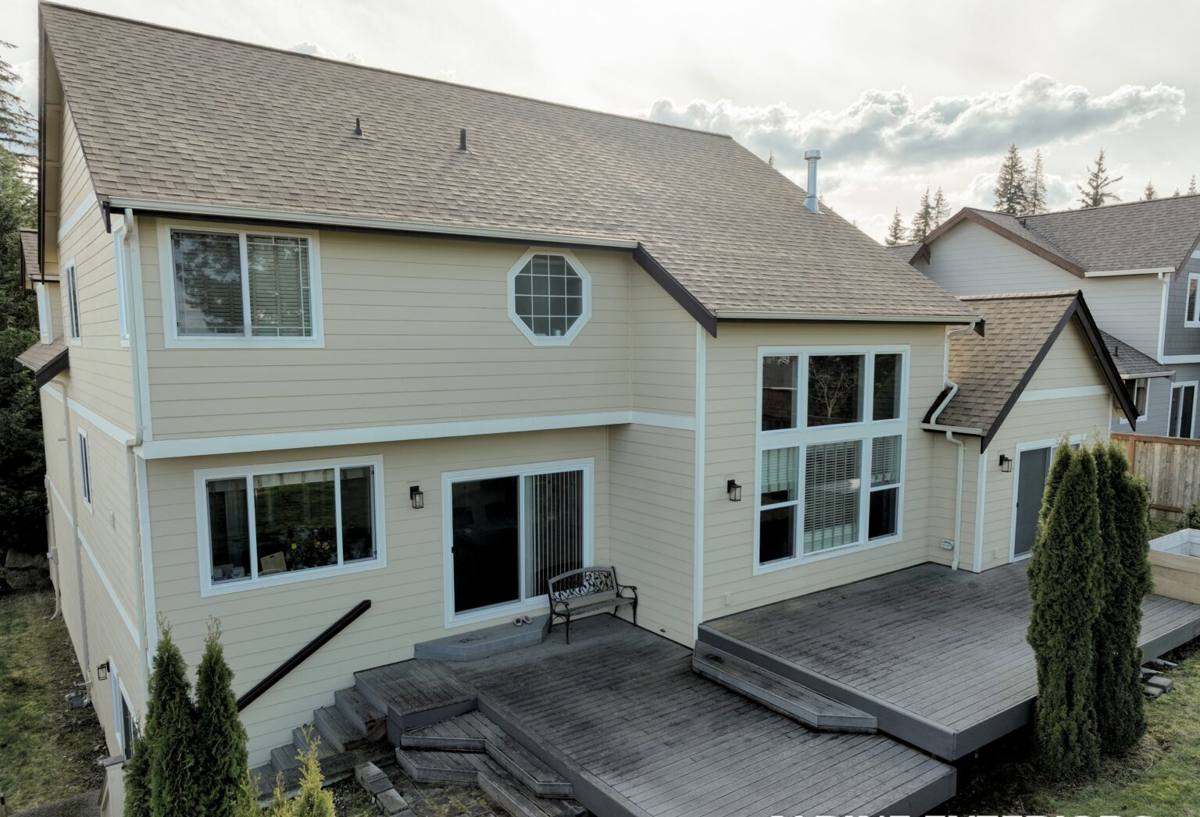
What Tampa's Climate Actually Does to a Deck
It helps to understand the specific ways New Tampa's environment attacks an outdoor structure, because it explains almost every decision in the sections that follow.
UV Exposure
Florida sun is stronger and more consistent than in most of the country. Untreated or poorly sealed wood grays and checks (splits along the grain) within a couple of seasons. Lower-grade composite decking without adequate UV inhibitors can fade unevenly, especially on the side of a deck that faces west or south.
Wind-Driven Rain and Humidity
Afternoon thunderstorms in Hillsborough County don't just fall straight down — wind pushes rain sideways and up under railings, into ledger connections, and between decking boards. Combined with humidity that rarely lets surfaces fully dry, this is where rot, mold staining, and hidden moisture damage start. It's rarely the visible top surface of a board that fails first — it's the framing underneath that stays damp.
Hurricane-Season Wind Loads
Decks are structures, and structures have to resist uplift and lateral load, not just hold weight. A deck attached to the house with the wrong fasteners, or framed without adequate blocking and guardrail post connections, is a liability risk in a tropical storm or hurricane — both for the structure itself and for anything it's attached to.
Salt-Influenced Air
New Tampa sits inland from Tampa Bay, but the broader region still carries more airborne salt and moisture than an inland climate. Standard hardware corrodes faster here than it would in a dry, temperate state, which is why fastener selection matters more in this region than most homeowners realize.
The Structural Basics That Matter More Here Than Elsewhere
A deck is really three things stacked together: a foundation system, a framing system, and a decking/railing surface. Every one of those has a Florida-specific right answer.
Ledger Board Attachment and Flashing
If your deck attaches to the house, that ledger board connection is the single most common failure point we see on repair calls — not just in New Tampa but across the region. It needs proper flashing to keep wind-driven rain from wicking behind the siding and into the house framing, and it needs through-bolted (not just lag-screwed) connections sized for the actual load, not the minimum that happens to hold at installation.
Footings and Post Bases
Florida soil and water tables vary block to block, which is part of why footing depth and post base detailing shouldn't be copy-pasted from a generic plan. Post bases should hold the post above the decking surface and off standing water, both to prevent rot and to keep termites — a year-round concern in this climate — from having an easy path into the wood.
Fasteners and Hardware
This is where corners get cut most often, because it doesn't show up in a photo. We use hot-dip galvanized or stainless connectors and coastal-rated fasteners rated for treated lumber's chemical makeup, not generic hardware-store screws that will streak and weaken within a few years in this humidity.
Wind-Resistant Framing and Guardrails
Guardrail posts need to be through-bolted to the framing with blocking behind them, not just screwed to the rim joist. Framing spans and joist spacing should account for Florida Building Code wind provisions, not just the deck board manufacturer's minimum span chart.
Choosing the Right Decking Material for This Climate
There's no single "best" decking material — there's a best match for your budget, how much upkeep you want to do, and how the deck will be used. Here's an honest comparison based on how these materials actually perform in Hillsborough County conditions.
| Material | UV / Fading Behavior | Moisture Handling | Maintenance | Heat Underfoot |
|---|---|---|---|---|
| Pressure-treated pine | Grays without sealing; needs UV-rated stain/sealer | Rot-resistant when treated correctly, but end cuts and fasteners are vulnerable points | Annual cleaning and re-sealing recommended | Moderate |
| Capped composite | Strong UV resistance with a protective cap layer | Excellent — doesn't absorb water or rot | Occasional washing; no staining or sealing | Can run hot in full sun; lighter colors help |
| Uncapped composite | More prone to fading and surface wear over time | Good, but can allow moisture into the core at cut edges if not sealed | Low, but not maintenance-free | Moderate to hot |
| PVC decking | Very strong UV and color stability | Fully moisture-proof — will not rot | Lowest maintenance of the group | Can run hot; premium price tier |
| Tropical hardwood (e.g., ipe) | Grays without oiling; holds color well when maintained | Naturally dense and rot-resistant | Periodic oiling required to maintain color | Moderate |
For New Tampa homeowners specifically, we lean toward recommending capped composite or PVC for decks that get direct afternoon sun most of the day, simply because they hold up to UV and humidity with the least ongoing effort. Pressure-treated wood remains a solid, honest choice for homeowners who don't mind a yearly sealing routine and want the lowest up-front cost. We don't push any one product as the only "correct" answer — we walk through the real trade-offs based on your yard's sun exposure and how you plan to use the space.
Permits, Codes, and Working Within Hillsborough County Requirements
Decks in Florida are permitted structures, and for good reason — the Florida Building Code sets specific requirements for wind load resistance, guardrail height, baluster spacing, and attachment methods. Hillsborough County requires a permit and inspection for most new deck construction and significant deck rebuilds. Skipping this step isn't a shortcut; it can create real problems at resale, with insurance claims after storm damage, and with liability if someone is injured on an unpermitted structure.
Many New Tampa neighborhoods are also part of planned communities with their own HOA architectural review process, on top of the county permit. That usually means submitting plans for approval before construction starts. We handle the permit process and can work with the documentation an HOA review board typically asks for, so you're not the one chasing paperwork on two fronts at once.
Our Process, Start to Finish
- On-site assessment. We look at your yard's grade, drainage, sun exposure, and how the deck will attach to your home before recommending anything.
- Design and material selection. We go over layout, size, decking material, and railing options based on your budget and how you'll actually use the space.
- Permitting. We prepare and submit the permit package, and coordinate with your HOA's architectural review if one applies.
- Construction. Footings and framing first, with inspections at the required stages, followed by decking, railings, and any stairs or built-ins.
- Final walkthrough. We go over the finished deck with you, cover care and maintenance for your specific material, and make sure every connection and rail is solid before we consider the job done.
Maintaining Your Deck Through Tampa's Seasons
Whatever material you choose, a little seasonal attention goes a long way in this climate. This is the checklist we give homeowners after a build:
- Sweep debris and standing water off the deck surface regularly, especially after summer storms.
- Check fastener heads and railing connections once or twice a year for corrosion or loosening.
- Re-seal or re-stain wood decking on a yearly schedule, or as soon as water stops beading on the surface.
- Clean composite or PVC decking with soap and water to prevent mildew film from building up in humid months.
- Inspect under the deck after hurricane season for any signs of moisture intrusion at the ledger board or post bases.
- Trim back landscaping that traps moisture against framing or blocks airflow underneath the deck.
Signs an Existing Deck Needs Attention
If you already have a deck in New Tampa and you're not sure whether it needs repair or a full rebuild, a few warning signs are worth taking seriously rather than waiting on:
- Soft or spongy spots underfoot, especially near the house connection.
- Rust streaks running down from screw heads or connector hardware.
- Railing posts that flex or wiggle when pushed.
- Visible gaps or separation at the ledger board where it meets the house.
- Boards that have cupped, split, or pulled away from fasteners.
Any one of these can usually be addressed as a targeted repair if caught early. Left alone through another storm season, they tend to turn into full structural replacements.
Why Hiring a Crew That Already Works in New Tampa Matters
A deck built to a generic national spec sheet isn't necessarily built for Hillsborough County. A crew that already works in the New Tampa area knows the typical HOA review expectations in this part of town, has a working relationship with the county permitting and inspection process, and has seen firsthand what actually fails on local decks after a few Florida summers and a storm season or two. That local track record shows up in the small decisions — fastener grade, flashing detail, post base selection — that don't matter until they suddenly do.
If you're planning a new deck or need an honest opinion on repairing one you already have, we're glad to take a look and walk you through your options. Reach out for a free, no-pressure estimate using the form below — we'll assess your space, talk through material and design choices for your specific yard, and give you a straight answer on what the job actually involves.