 Tampa Siding
 Composite Decking Built for Plant City's Climate
Plant City sits in eastern Hillsborough County, far enough inland to escape the worst of coastal salt spray but squarely in the path of everything else Florida throws at an outdoor structure: long, humid summers, intense UV exposure nearly year-round, sudden afternoon downpours, and the occasional direct hit from a tropical system. Add in the region's sandy, fast-draining soils and the irrigation habits common on properties near Plant City's agricultural land, and a deck here lives a harder life than the same structure would in a drier climate.
Composite decking has become the default choice for homeowners in this part of Hillsborough County precisely because it's engineered to handle moisture cycling and UV exposure better than solid wood. But "composite" is a broad category, and how it's installed matters as much as which board you choose. We install composite decking for Plant City homeowners on a routine basis, and this page walks through what actually holds up out here and what a correct installation looks like.
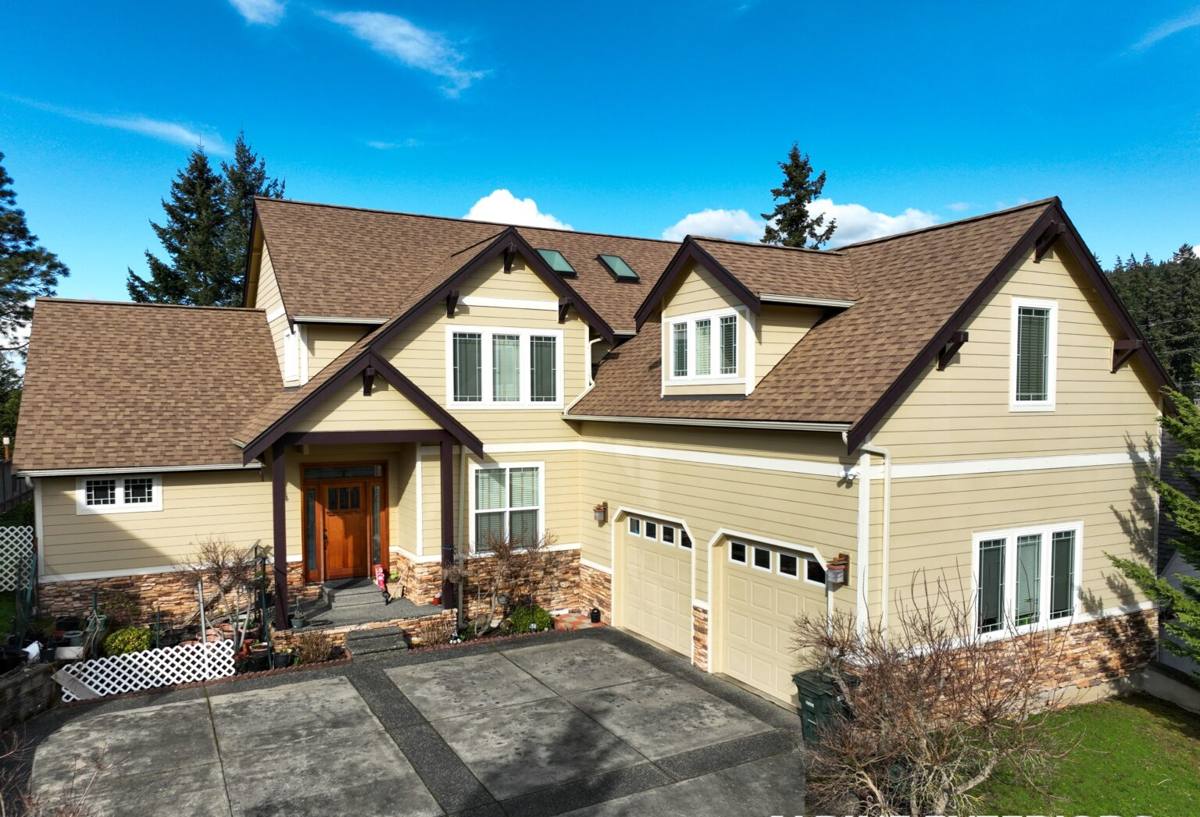
What Plant City's Climate Does to a Deck
Heat and UV
Central Florida sun is relentless. Dark-colored decking materials — wood or composite — can get uncomfortably hot underfoot in summer, and UV exposure is the main driver of fading and surface degradation over time. Composite boards with a cap layer (a protective outer shell fused over the core) resist UV fading far better than uncapped composite or painted/stained wood, which needs recoating every year or two just to keep up.
Humidity and Moisture Cycling
Hillsborough County's humidity doesn't let up for most of the year. Wood decking absorbs and releases moisture constantly, which is what drives cupping, splitting, and eventually rot at fastener points and end cuts. Composite boards, because they're a blend of wood fiber and plastic polymer, absorb far less moisture — but they're not immune. Cheap or uncapped composite can still wick water at cut ends and around fasteners if those areas aren't sealed or capped properly during installation.
Storms and Wind-Driven Rain
Hurricane season means wind-driven rain gets pushed sideways under railings, around ledger boards, and into any gap in the structure. A deck that looks fine on the surface can be hiding a wet, rotting frame underneath if the substructure and flashing weren't built to shed water. This is where most deck failures actually start — not in the decking boards themselves, but in the framing and connection points behind them.
Ground Contact and Drainage
Many Plant City properties have sandy soil that drains well, which is good, but low-lying yards or areas near irrigation runoff can stay damp at ground level. Deck posts and footings need to be set with that in mind, and ventilation underneath a low deck matters more here than in a drier climate.
Composite vs. Wood vs. PVC: What We Recommend and Why
We don't push one material on every homeowner — the right choice depends on budget, how much upkeep you want to do, and how the deck will be used. Here's how the three main options actually compare for a Plant City property.
| Factor | Pressure-Treated Wood | Capped Composite | PVC/Vinyl Decking |
|---|---|---|---|
| Upfront cost | Lowest | Mid-range | Highest |
| Annual maintenance | Staining/sealing yearly | Occasional wash | Occasional wash |
| Moisture resistance | Fair, needs sealing | Good | Excellent |
| UV/fade resistance | Poor without recoating | Good to very good | Good, some colors fade over time |
| Heat underfoot | Moderate | Varies by color | Can run hot in dark colors |
| Typical lifespan | 10–15 years with upkeep | 25–30 years | 25+ years |
| Warranty structure | Limited or none | Manufacturer-backed, often prorated | Manufacturer-backed |
For most Plant City homeowners, capped composite hits the right balance: it costs less than PVC, requires almost no annual upkeep compared to wood, and holds up well to the sun and moisture cycling typical of this area. We install composite decking as our standard recommendation here, but we'll walk through wood and PVC honestly if either fits your situation better.
What a Correct Composite Deck Installation Actually Involves
The decking boards get all the attention, but the framing underneath them is what determines whether the deck lasts 5 years or 30. A correct installation includes:
- Properly sized and spaced joists — composite decking often requires tighter joist spacing than wood (commonly 12" on center instead of 16"), especially at angles or diagonal patterns, or the boards will flex and sag over time.
- Pressure-treated or engineered framing lumber rated for ground contact where applicable, with all cut ends field-treated to seal exposed wood.
- Proper ledger board attachment to the house, including flashing that directs water away from the wall rather than behind it — this single detail is where most deck-to-house moisture problems start.
- Hidden fastener systems where the board profile allows, which reduces surface penetration points where water can enter the board and keeps the deck surface clean-looking.
- Correct expansion gaps between boards, since composite material expands and contracts with heat more than wood — gaps that are too tight will buckle in Florida summer heat.
- Post footings set below grade to local frost-line and load requirements (not a major factor here, but footing depth and diameter still need to meet code for wind and structural load).
- Ventilation underneath the deck structure, especially on lower decks, so moisture doesn't sit trapped against the framing.
Skipping any of these doesn't necessarily show up on day one. It shows up two or three years later as soft spots, board movement, or a railing post that's gone spongy at the base — problems that cost far more to fix after the fact than to build correctly the first time.
Our Process
1. On-Site Assessment
We look at the existing structure (if there is one), the grade and drainage around the area, sun exposure, and how you actually plan to use the space — entertaining, grilling, a pool deck, a quiet spot off a bedroom. That use case affects layout, railing choice, and board direction.
2. Material and Layout Selection
We walk through composite board options, colors, and railing systems, and talk through the real cost and maintenance trade-offs for each — no upselling to the most expensive line if a mid-tier product fits your budget and needs.
3. Permitting
Most new decks and many deck replacements in Hillsborough County require a permit, particularly for structures attached to the house or elevated above a certain height. We handle that process rather than leaving it on you.
4. Framing and Structural Work
This is the part that doesn't show in the final photos but matters most — ledger attachment, joist layout, footings, and flashing, built to the standard described above.
5. Decking, Railing, and Finish Work
Boards go down with correct fastening and expansion spacing, railings are installed and secured, and we do a final walkthrough with you before calling the job done.
Maintenance: What Composite Actually Needs
One of the main reasons homeowners switch to composite is the reduced maintenance, but "low maintenance" isn't "no maintenance." A reasonable upkeep routine in this climate:
- Rinse or sweep off pollen, leaf debris, and dirt regularly — organic debris left sitting on composite boards in humid conditions can encourage surface mold or mildew.
- Wash with mild soap and water once or twice a year, more often under trees or near irrigation heads.
- Check railing posts and stair connections annually for any looseness.
- Keep gutters and downspouts near the deck clear so runoff isn't dumping directly onto the structure.
- Avoid pressure-washing at close range or high PSI, which can damage the cap layer on some composite products.
Signs an Existing Deck Needs Attention
If you already have a deck in Plant City, a few warning signs are worth acting on before they become bigger problems:
- Boards that feel spongy, bounce noticeably, or have visible cupping
- Rust streaking around fasteners, which often signals moisture intrusion at that point
- A railing post that wiggles at the base
- Gaps or separation where the deck meets the house
- Visible mold, mildew, or discoloration that doesn't wash off
- Any area that stays damp long after the rest of the deck has dried
Why Hire a Crew That Already Works in Plant City
Deck-building fundamentals don't change from region to region, but the details that make a deck last do. A crew that regularly works Hillsborough County properties already knows how local soil drains, how far to plan for seasonal humidity swings, what wind loads Florida code requires for railings and structural connections, and how to flash a ledger board so wind-driven rain from a summer storm doesn't end up behind your siding. That local familiarity is the difference between a deck that looks good for one season and one that's still solid a decade in.
If you're weighing a new composite deck or need to replace an aging one in Plant City, we're glad to take a look and give you a straightforward assessment — no pressure, no upsell. Use the form below to request a free estimate.