 Tampa Siding
 Why a Plant City Deck Needs to Be Built for This Climate
Plant City sits inland in eastern Hillsborough County, away from the immediate coastline that gets most of the attention when people talk about Florida weather. That distance from open water matters less than homeowners sometimes assume. A deck built here still has to stand up to hurricane-force wind during storm season, some of the most intense year-round UV exposure in the country, and long stretches of humidity that don't let up for months at a time. Being inland changes the mix of what a deck deals with — it doesn't remove the difficulty.
A lot of decking work gets built to a generic national standard: framing lumber sized the same way it would be in a dry climate, fasteners chosen for cost rather than corrosion resistance, and a board layout that doesn't account for how much direct sun the structure will actually take. That approach tends to work fine for a few years and then starts showing problems — soft framing, loosening railing posts, boards that cup or fade unevenly. This page covers what a Plant City deck actually needs, what a correctly built one involves, and why a crew that already works this specific area gets better long-term results than one applying the same specs everywhere.
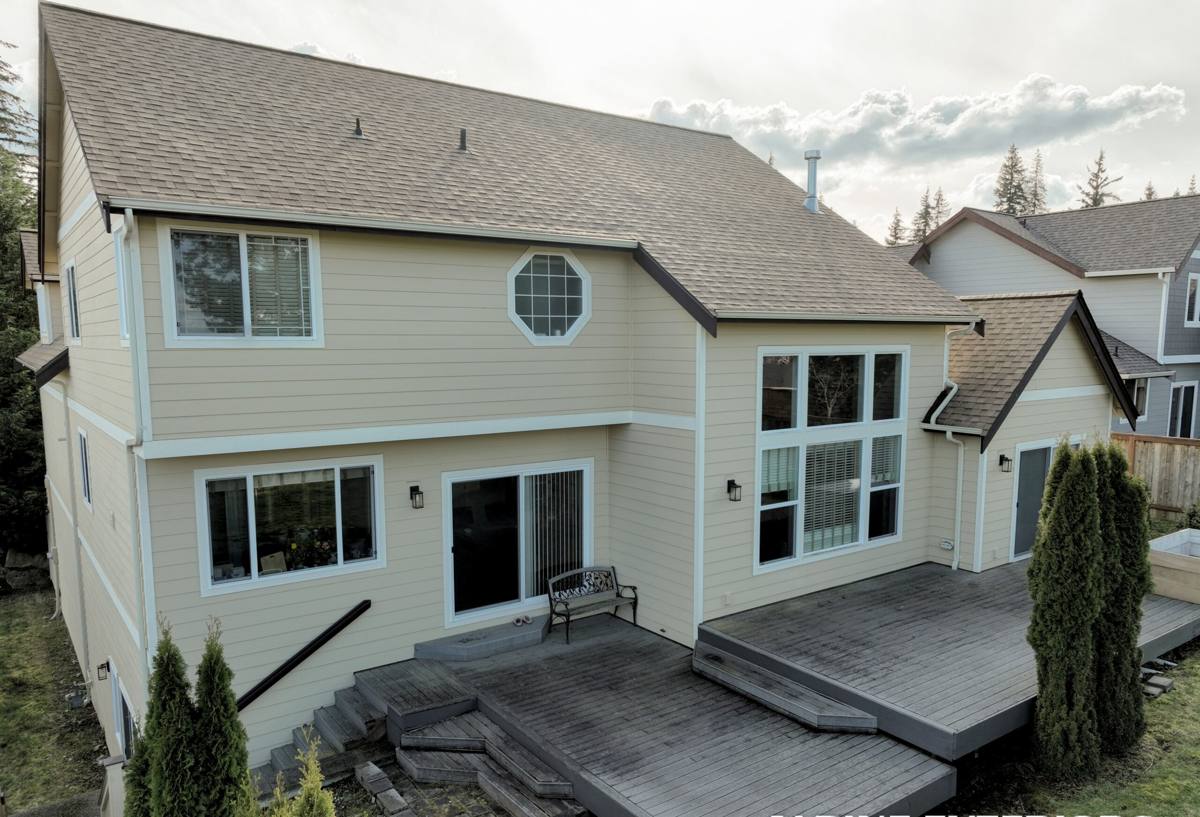
What Hillsborough County's Inland Climate Does to a Deck
Heat and UV, Nearly Year-Round
Plant City gets long, hot summers and mild winters, which means a deck surface is under direct sun exposure for most of the year, not just a few months. UV breaks down unstabilized finishes and plastics over time, fades color unevenly depending on shade patterns from nearby trees, and on darker or lower-quality boards it drives surface temperatures high enough to matter for bare feet by early afternoon. The right material choice and finish make a real difference in how much of that heat and UV load actually reaches the structure underneath.
Summer Storm Season and Wind-Driven Rain
Florida's hurricane season brings sustained wind events and near-daily summer thunderstorms that push rain sideways rather than straight down. A deck's framing, ledger connection to the house, and railing system all need to be sized and fastened to handle wind loads that aren't rare occurrences here — they're an annual planning consideration. Wind-driven rain also gets forced underneath and between boards in ways that ordinary rainfall doesn't, which is why drainage and airflow beneath the deck surface matter as much as the finish on top.
Humidity, Ground Moisture, and Termites
Without the direct salt spray that coastal Tampa properties deal with, inland decks in Plant City face a different but equally serious moisture problem: sustained humidity and, on many properties, sandier or lower-lying ground that holds water after a storm. That combination is exactly what subterranean termites and wood rot need to take hold in a deck's substructure. Framing lumber, ledger connections, and any wood-to-ground contact need to be treated and detailed correctly from the start, because problems at the substructure level are structural, not cosmetic, and they're expensive to catch late.
What Plant City Homes Typically Need From a Deck
Plant City's mix of housing is different from denser Tampa neighborhoods closer to the water. Many properties here sit on larger lots with more mature tree cover, well water and septic systems, and closer proximity to open agricultural land than a typical suburban lot. That shapes what a deck actually needs to do well:
- Footings and framing that account for the specific soil on the lot, which can vary from sandy to heavier clay within the same neighborhood
- Shade consideration built into the design — a pergola, roof extension, or strategic orientation — since full summer sun on an open deck can make midday use uncomfortable without it
- Clearance and material choices that hold up against tree debris, pollen, and organic buildup from more mature landscaping than you'd see on a newer suburban lot
- Layouts that work for larger outdoor gatherings, since bigger lots often mean bigger decks built for entertaining rather than a small urban patio replacement
- Correct planning around septic drain fields and well locations before any footing goes in the ground
None of this is exotic, but it's specific — a deck designed without accounting for lot size, tree cover, and septic or well placement tends to need workarounds later that a little upfront planning avoids entirely.
What a Correctly Built Deck Involves
The decking surface gets most of the attention when people picture a new deck, but the framing and connection details underneath are what actually determine whether it holds up in this climate. A build done right for Plant City conditions includes:
- Framing lumber rated for ground contact and treated against subterranean termites, not standard interior-grade material
- Corrosion-resistant fasteners and structural connectors throughout — humidity alone is enough to degrade standard hardware faster than homeowners expect
- Proper ledger board flashing and attachment where the deck ties into the house, since this connection point is a common failure spot under wind load and repeated wetting
- Hurricane-rated framing connectors and post-to-beam hardware sized for the county's wind requirements, not just nailed or toe-screwed connections
- Joist spacing matched to the specific decking product's span rating rather than a generic wood-framing standard
- Correct board gapping for drainage and material movement with temperature and humidity changes
- Ventilation and grading beneath the deck so water doesn't pool against the framing after a storm
- Railing height, baluster spacing, and stair geometry built to current Florida Building Code, not whatever the previous structure happened to have
Skip any one of these and the deck usually still looks fine on day one. The problems show up years later, as a soft joist, a railing post that's started to loosen, or termite damage that's gone unnoticed because the framing wasn't treated correctly from the start.
Choosing the Right Decking Material
There's no single correct material for every deck — the right choice depends on budget, how much direct sun the deck gets, and how much upkeep you actually want to do. Here's how the common options compare for Plant City's climate specifically:
| Material | Heat & UV Behavior | Moisture & Termite Resistance | Maintenance | Typical Lifespan Here |
|---|---|---|---|---|
| Pressure-treated wood | Absorbs heat, fades and grays without regular finish | Treated against rot and insects, but only as well as the finish is maintained | Sealing or staining every 1-2 years | Shortest of the common options without upkeep |
| Capped composite | Cap layer resists UV fade; lighter colors stay cooler underfoot | Strong — cap resists moisture absorption and won't feed termites | Occasional washing; no sealing or staining | Long-term, backed by manufacturer warranty |
| Uncapped composite | More prone to fading and heat retention than capped products | Moderate — can absorb some moisture over time | Periodic cleaning to manage mold and staining | Shorter than capped composite in humid conditions |
| Cellular PVC | Excellent UV stability; some lines run cooler underfoot | Excellent — no wood fiber to absorb moisture or attract termites | Occasional washing; no sealing or staining | Long-term, generally at a higher upfront cost |
| Tropical hardwood | Naturally dense, but grays without periodic oiling | Good natural resistance, but still needs upkeep against humidity | Periodic oiling to prevent graying and checking | Long if maintained; degrades faster if neglected |
We'll walk through the real trade-offs for your specific lot and budget rather than pushing one product across every job — a shaded deck under mature oaks has different needs than an open deck getting full afternoon sun.
Permits and Wind-Load Requirements for a Plant City Deck
Permitting
Deck construction in Plant City requires a building permit, whether the work falls under the City of Plant City's building department or unincorporated Hillsborough County, depending on the property's exact location. Permitting covers footing depth and size, framing connections, and railing code compliance, and it typically requires an inspection at the framing stage before the decking surface goes down, plus a final inspection. We handle that process as part of the job rather than leaving it to the homeowner to track down.
Wind Load and Structural Requirements
The Florida Building Code sets wind load and connection requirements based on the county's mapped design wind speed, and Hillsborough County reviews residential deck permits against those standards. That affects real decisions on the job — how the ledger attaches to the house, what hardware connects posts to beams, and how railing posts are anchored. A deck that isn't engineered to those requirements might pass a casual look but won't hold up the way it's supposed to in an actual wind event.
How Our Process Works
We start with a site visit to look at the actual lot — existing structure condition if it's a replacement, drainage and grade, tree cover and shade patterns through the day, and anything specific to the property like well or septic locations that affects where footings can go. From there we talk through material and layout options that fit the budget and how the space will actually get used, whether that's a quiet space off the back door or something built for larger family gatherings.
Once the design and materials are settled, we handle permitting before any work begins. The build itself follows the sequence above: footings and framing first, sized and fastened for this climate's wind and moisture demands, then the decking surface, railing, and any stairs or trim. We schedule the pour and framing stages around Florida's summer storm pattern rather than fighting it, and we finish with a walkthrough covering exactly what maintenance the materials you chose actually need.
Deck Maintenance in Plant City's Climate
Even a well-built deck needs some ongoing attention in this climate. A simple routine catches small issues before they become structural ones:
- Rinse or sweep the surface periodically to clear pollen, leaf debris, and organic buildup before it stains the boards or holds moisture against them
- Keep gaps between boards clear so water and airflow can move through as designed, especially after storm season
- Check railing posts and structural connectors annually for any early sign of loosening or corrosion
- Trim back landscaping that holds moisture against the deck edge or blocks airflow underneath the structure
- Have any wood framing inspected periodically for termite activity or moisture damage, particularly if the deck is older or wasn't built with treated lumber throughout
- Address soft spots, loose connections, or standing water underneath right away — these are structural signs, not cosmetic ones
Why It Matters That We Already Work in Plant City
A crew that mostly builds decks closer to the coast can still put together a solid structure inland, but Plant City properties come with their own set of variables — larger lots with septic and well placement to work around, mixed soil conditions from one yard to the next, mature tree cover that changes drainage and shade patterns, and permitting that can fall under either the city or the county depending on exactly where the property sits. Working this area regularly means we're not guessing at any of that. We know what the local permitting process actually requires, what framing and fastener choices hold up against this specific combination of heat, humidity, and storm exposure, and how to plan a build around a working well or septic system without causing problems down the line.
That familiarity also shows up in smaller, practical ways — knowing which materials perform well under real Plant City sun rather than a manufacturer's general claims, and being straightforward with you about what your deck actually needs versus what's just an upsell.
Get a Straight Answer About Your Deck
Whether you're replacing a tired deck, planning a new one, or just want an honest read on what a deck would take on your Plant City property, we're glad to walk the site with you and lay out the options plainly, no pressure attached. Reach out below for a free estimate.