 Tampa Siding
 Board & Batten Is Everywhere in Riverview Right Now — Here's What Makes It Hold Up
Board and batten has become one of the most requested exterior looks for homes in and around Riverview. The vertical lines, the crisp shadow gaps, the modern-farmhouse feel — it's a style that photographs well and ages well when it's built correctly. The problem is that "board and batten" describes a look, not a construction method, and the material underneath that look is what decides whether it lasts through a Tampa Bay summer or starts failing at the seams within a few years.
This page is about doing board and batten right, specifically for homes in Riverview, using the one material we install on every job: James Hardie fiber cement. We don't do vinyl board and batten, LP SmartSide, or primed wood versions of this style, and we'll explain exactly why below.
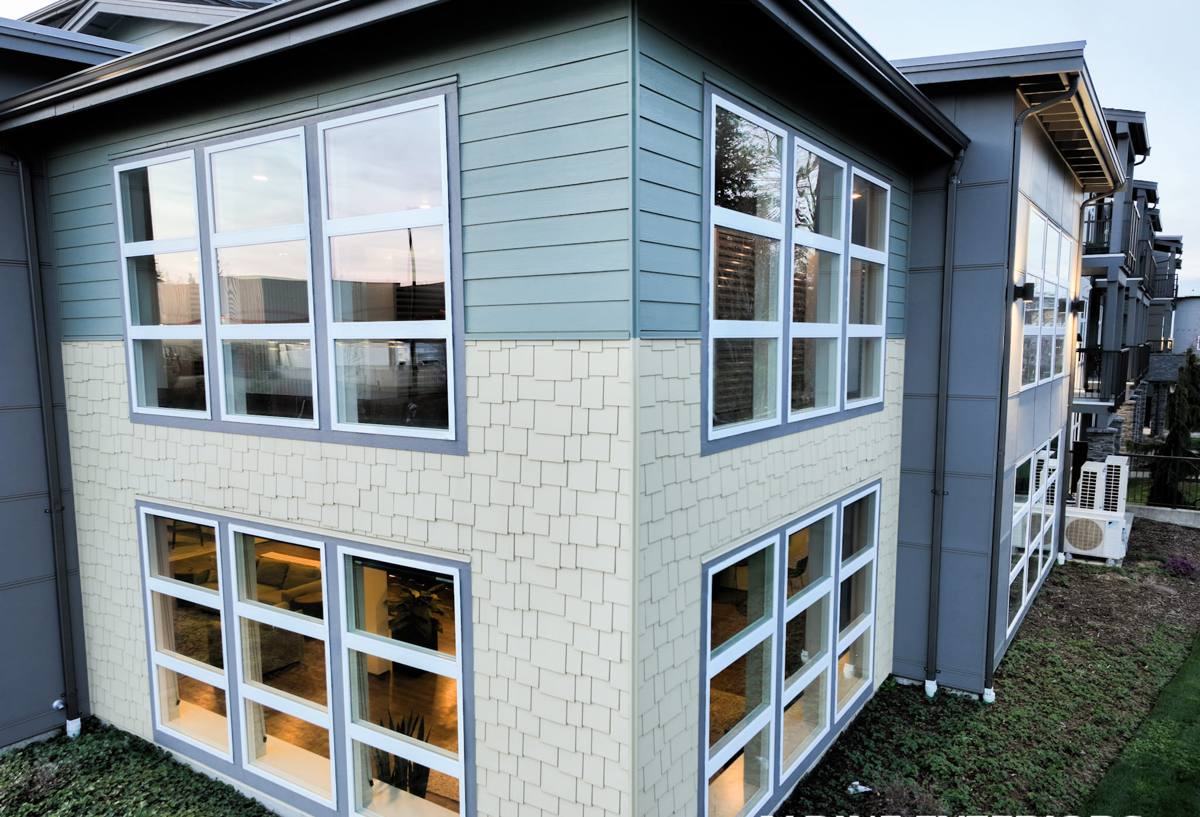
What Hillsborough County's Climate Does to Vertical Siding
Board and batten has more vertical seams and more fastener penetrations per square foot than standard lap siding, which means it's less forgiving of weak materials or sloppy installation. In this part of Florida, that matters more than most homeowners realize.
Heat and UV
Riverview sees intense sun exposure nearly year-round. Materials that aren't engineered for UV resistance chalk, fade, or become brittle over time — and battens in particular, being narrow and often more exposed at the edges, show wear faster than the wider field panels behind them.
Wind-Driven Rain
Summer storms here don't just drop rain, they push it sideways under wind. Every vertical seam and every batten joint on a board and batten wall is a potential entry point for water if the flashing and gapping weren't done to spec. Once moisture gets behind the cladding on a vertical system, it can travel further and hide longer than it would on horizontal lap siding.
Salt Air
Riverview isn't oceanfront, but the Tampa Bay airshed still carries salt content well inland, and it accelerates corrosion on fasteners, trim fittings, and any metal flashing components. Siding systems have to be specified with that in mind, not just for coastal-front properties.
Hurricane-Force Wind
Even away from the immediate coast, Hillsborough County homes are built to withstand serious wind loads. A vertical siding system has more edges catching wind pressure than lap siding, so fastening pattern and panel attachment aren't cosmetic details — they're structural ones.
Why We Only Install This in James Hardie Fiber Cement
Board and batten's biggest risk is at the seams and edges — exactly where lesser materials show their weaknesses first. That's why we standardized on James Hardie for every siding job we do, board and batten included.
How the System Is Built
A correct Hardie board and batten wall is built from HardiePanel vertical siding as the field material, with HardieTrim boards installed as the vertical battens over the panel seams. It is not a single molded piece pretending to look like boards and battens — it's a real layered assembly, which is part of why it holds its shape and shadow lines over time instead of going flat and plastic-looking the way some lower-cost alternatives do.
Engineered for This Exact Climate
James Hardie makes region-specific formulations, and the HZ5 product line is engineered for hot, humid, storm-exposed climates like Florida's — this is not a generic siding pulled off a shelf. Fiber cement itself is non-combustible, doesn't absorb moisture the way wood-based products can, and won't attract termites, all of which matter more in a coastal, humid county than they would somewhere dry and cold.
ColorPlus Factory Finish
Hardie's ColorPlus finish is baked on at the factory under controlled conditions, with UV-cured coatings that hold color better than field-applied paint. For a style like board and batten where the vertical lines are the whole visual point, a finish that doesn't chalk or streak unevenly matters — mismatched fading between panels and battens is one of the fastest ways a board and batten job starts looking worn.
What a Correct Board & Batten Installation Actually Requires
The style is simple to look at, but there are more places for a rushed or inexperienced crew to cut corners on board and batten than on standard lap siding. A proper job includes:
- A code-compliant weather-resistant barrier installed and lapped correctly behind the entire wall assembly, not just patched around openings
- Correct flashing at every window, door, and roofline intersection before a single panel goes up
- Panel and batten fastening that follows James Hardie's published fastener type, spacing, and embedment specifications for this wind zone — not "close enough"
- Proper expansion gaps at panel ends, corners, and trim, sealed with a high-quality, paintable, flexible sealant rated for exterior use
- Battens installed to consistent spacing and true vertical lines, since any drift is far more visible on this style than on lap siding
- All factory-cut panel edges back-primed or sealed on site per manufacturer instructions, since factory finish doesn't extend to a field cut
- A final inspection of every seam, corner, and penetration before the job is called complete
Skipping any one of these doesn't usually show up on day one. It shows up two or three storm seasons later, as staining, soft spots, or a seam that's started to separate.
Board & Batten Material Options — An Honest Comparison
Homeowners researching this style will run into several materials marketed for board and batten. Here's how they actually compare on the factors that matter most in a Tampa-area climate:
| Material | Moisture Behavior | UV/Fade Resistance | Wind & Impact Durability | Long-Term Maintenance |
|---|---|---|---|---|
| James Hardie fiber cement | Doesn't absorb water like wood-based products; engineered for humid climates | Factory ColorPlus finish resists chalking and fading | Non-combustible, rated for high-wind installation specs | Low — occasional rinse and inspection |
| Vinyl board & batten | Doesn't rot, but can trap moisture behind panels if installed loose | Can fade and become brittle under sustained UV and heat | Can crack, warp, or blow off in high wind if not rated and fastened correctly | Low, but panels are harder to repair invisibly once damaged |
| LP SmartSide (engineered wood) | Treated to resist moisture but is still wood-based, so edge and cut exposure is a real risk | Requires field-applied paint that will need eventual recoating | Good impact resistance, but combustible | Moderate — paint maintenance and edge sealing over time |
| Primed spruce or cedar | Most moisture-sensitive option; prone to swelling, cupping, and rot at seams | Requires the most frequent repainting to hold color and protect the wood | Combustible; softer material more prone to physical damage | Highest — regular repainting and moisture monitoring required |
Every option on that list can look good on install day. The differences show up in year three, five, and ten — which is why we standardized on the material that holds up best under Hillsborough County conditions rather than the one that's cheapest to install.
What Cost Actually Depends On
We don't publish flat per-square-foot pricing because board and batten costs vary based on real conditions on your specific house. What we can tell you is what actually drives the price up or down:
| Cost Factor | Why It Matters |
|---|---|
| Existing siding removal | Tear-off and disposal of old siding adds labor that a straightforward re-side doesn't require |
| Wall condition underneath | Rotten sheathing or water damage found once old siding comes off has to be repaired before new siding goes on |
| Home height and roofline complexity | Steep rooflines, multiple stories, and dormers all add labor and equipment time |
| Batten spacing and trim detail | Tighter batten spacing and more trim detail (corners, window casings) means more material and labor per square foot |
| Color selection | Standard ColorPlus colors versus custom or premium finishes can shift material cost |
Any legitimate estimate should walk you through these factors specifically for your house, not just hand you a number.
How We Handle a Riverview Board & Batten Project
The process is the same on every job because skipping steps is where problems start:
- On-site assessment — we look at your existing siding, wall condition, and roofline before quoting anything
- Scope and product selection — we walk you through HardiePanel and batten spacing options, colors, and trim details
- Tear-off and prep — old siding removed, sheathing inspected and repaired as needed, weather barrier installed correctly
- Flashing first — every window, door, and roof intersection flashed before panels go up
- Installation to spec — panels and battens fastened per manufacturer requirements for this wind zone, with correct gaps and sealant
- Final walkthrough — we inspect the finished wall with you before we consider the job done
Why It Matters That We Already Work in Riverview
A crew that's worked in your area already understands the local permitting process, knows what Hillsborough County inspectors look for on a siding job, and isn't learning the local wind code requirements on your dime. That familiarity translates into fewer surprises mid-project — permit delays, failed inspections, or scheduling gaps that stretch a job out longer than it should take.
It also means faster response if you have a question after the job is done. A local crew doesn't disappear once the invoice is paid, and that accountability is worth something when you're trusting a company with the exterior of your house.
Get a Straight Answer for Your Home
If you're weighing board and batten for a home in Riverview, the right next step is having someone look at your actual walls, not a stock photo estimate. We offer free, no-pressure estimates — use the form below and we'll walk you through what your specific project would involve.