 Tampa Siding
 New Roof Installation Built for Riverview's Climate
Riverview sits in southern Hillsborough County, close enough to Tampa Bay that homes here take the same beating as anything closer to the water: long stretches of intense UV, sudden wind-driven downpours, and the real chance of a hurricane-strength system passing through during the season. A roof in this area isn't just shedding rain — it's holding up against sustained heat that breaks down shingle asphalt faster than it would further north, and it's the first line of defense when tropical storm winds try to get under an edge or a vent. Salt-laden air moving inland off the bay also speeds up corrosion on any exposed metal fasteners, flashing, or trim that isn't rated for coastal exposure.
When a roof goes in correctly the first time, it's built to handle all of that at once, not just one piece of it. That's the standard we hold every new roof installation to in Riverview.
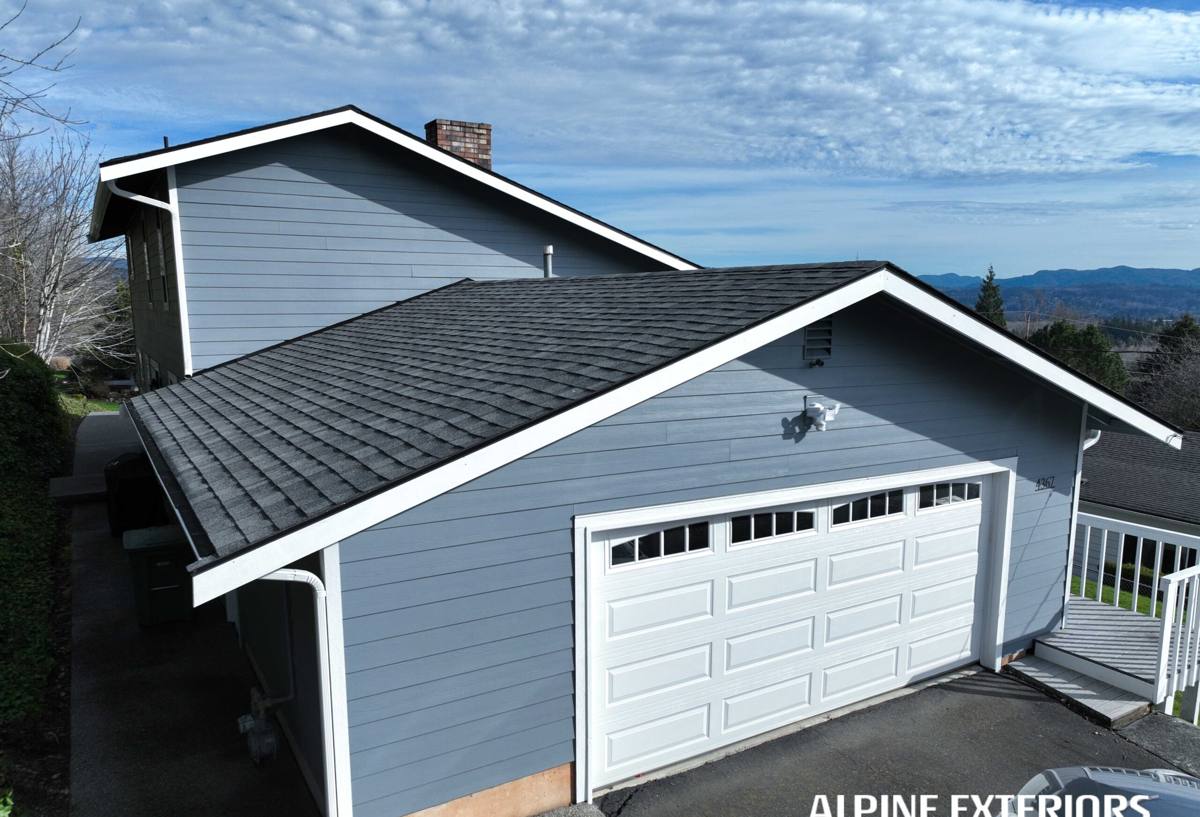
Signs a Riverview Home Needs a New Roof, Not Another Repair
Roofing is a trade where an honest contractor will tell you when a repair is still the right call. But there's a point where patching stops making financial sense and a full new roof installation is the smarter move. Common signs we look for on Hillsborough County homes include:
- Shingles that are curling, cupping, or losing granules across large sections of the roof, not just one spot
- Soft or spongy decking felt underfoot during inspection, indicating moisture has already reached the wood
- Repeated leaks in different locations after previous patch jobs
- A roof approaching or past 18-20 years old under Florida sun exposure, even if it "looks fine" from the ground
- Visible sagging along the roofline or at valleys
- Missing or damaged flashing around chimneys, skylights, or roof-to-wall transitions
- Rising energy bills tied to poor attic ventilation or failing insulation under an aging roof deck
If two or three of these show up together, patch-and-hope repairs usually cost more over a few years than one correctly done replacement.
What Florida Building Code Requires for a New Roof
Hillsborough County follows the Florida Building Code, which sets wind-load and fastening standards specifically because the state gets hurricanes. A code-correct installation in Riverview isn't optional detailing — it's the difference between a roof that stays put in a strong storm and one that doesn't. That means using shingles or metal panels with a wind rating appropriate for our region, following the manufacturer's enhanced nailing pattern rather than the minimum, and installing a secondary water barrier so the home stays dry even if the outer roofing layer is compromised in a storm.
A permit and inspection are also required for a full roof replacement in Hillsborough County. That paperwork exists for a reason: it confirms the underlayment, flashing, and fastening were actually done to code, not just installed to look right from the street. We handle the permit and schedule the required inspections as part of every installation — it's not an add-on, it's part of doing the job right.
Why This Matters More in Riverview Specifically
Homes in this part of Hillsborough County sit in a wind zone that regularly sees tropical storm and hurricane exposure during the June-through-November season. A roof that meets minimum code in a low-wind inland area of the country wouldn't come close to meeting what's required here — and installers who don't work Florida regularly sometimes miss that distinction.
Roofing Material Options for Riverview Homes
There's no single "best" roofing material — the right choice depends on budget, how long you plan to stay in the home, and how much long-term maintenance you're willing to take on. Here's an honest breakdown of the main options we install:
| Material | Typical Lifespan (FL climate) | Wind Performance | Maintenance |
|---|---|---|---|
| Architectural asphalt shingle | 18-25 years | Good, when rated and nailed to code | Low; periodic inspection recommended |
| Standing seam metal | 40-50+ years | Excellent; among the best for high wind | Very low; occasional fastener check |
| 3-tab asphalt shingle | 12-18 years | Fair; lower wind rating than architectural | Low, but shorter service life |
| Concrete or clay tile | 30-50 years | Very good when properly anchored | Moderate; individual tiles can crack from impact |
Architectural asphalt shingle is the most common choice we install in Riverview — it balances upfront cost with a wind rating that holds up well here, and it gives homeowners a wide range of colors and styles. Metal is the strongest long-term investment for wind and longevity, though it carries a higher upfront cost. We'll walk through the honest trade-offs for your specific home and budget rather than pushing one option.
How Our New Roof Installation Process Works
A new roof is a big investment, and homeowners deserve to know exactly what happens and in what order. Our process on a typical Riverview installation looks like this:
- On-site inspection and estimate. We assess the existing roof, decking condition, ventilation, and any problem areas before quoting anything.
- Material selection. We go over the options above in person, including realistic cost and lifespan expectations for your home.
- Permitting. We pull the required Hillsborough County permit before work begins.
- Tear-off and deck inspection. Old roofing is removed down to the decking, which is then inspected board by board for rot or soft spots.
- Deck repair. Any compromised decking is replaced — this step gets skipped by corner-cutting crews and it's one of the most important parts of the job.
- Underlayment and secondary water barrier. This is the layer that keeps your home dry if wind ever lifts or damages the outer roofing.
- Flashing, drip edge, and ventilation install. Correct flashing at every wall, chimney, and valley intersection is where most future leaks are prevented or created.
- Roofing material installation. Installed to the manufacturer's enhanced, high-wind nailing or fastening pattern — not the bare minimum.
- Final inspection and cleanup. We schedule the required county inspection and do a full site cleanup, including a magnetic sweep for nails.
What a Correct Installation Actually Involves
The roofing material itself gets most of the attention, but it's the layers underneath and around it that determine whether a roof survives a Florida storm season. A correct installation includes:
Deck Integrity
Roofing material fastened to rotten or delaminated decking will fail no matter how good the shingles are. We replace any compromised sections before anything else goes down.
Underlayment and Water Barrier
A synthetic or self-adhering underlayment, applied per code, is what keeps water out if wind-driven rain gets past the outer roofing during a storm — which happens even on well-installed roofs in a bad enough system.
Flashing and Sealing
Every place the roof meets a wall, chimney, pipe, or skylight is a potential leak point. Flashing has to be installed in the correct layered order with the roofing material, not just caulked over the top.
Ventilation
Proper intake and exhaust ventilation keeps attic temperatures down, which extends shingle life and helps control humidity — both of which matter more in a hot, humid climate like ours.
Fastening Pattern
Manufacturers publish a standard nailing pattern and a high-wind nailing pattern. In a wind zone like Hillsborough County, the high-wind pattern is what actually keeps a roof attached during a storm, and it's what we use.
Cost Factors for a New Roof in Riverview
Every roof is different, but the price of a new roof installation is driven by a fairly consistent set of factors:
| Factor | How It Affects Cost |
|---|---|
| Roof size and complexity | More squares, valleys, and roof planes mean more material and labor |
| Material choice | Metal and tile cost more upfront than asphalt shingle but last longer |
| Decking condition | Rotted decking found during tear-off adds repair cost not visible beforehand |
| Roof pitch and access | Steep or hard-to-access roofs take longer and require more safety setup |
| Ventilation upgrades | Adding or improving ridge/soffit ventilation adds modest cost but pays off long-term |
| Permit and inspection fees | Set by Hillsborough County, included in your quote |
We give a written estimate that breaks these out so there are no surprises once the tear-off starts.
Why Hiring a Crew That Already Works Riverview Matters
Roofing crews that work regularly in Hillsborough County know the local permitting process, the inspection timelines, and the wind and code requirements specific to this part of Florida — that familiarity translates into fewer delays and fewer mistakes. A crew that's used to scheduling around Tampa Bay's afternoon storm patterns also plans tear-offs and dry-in more carefully, so your home isn't sitting exposed when a pop-up thunderstorm rolls through, which happens often here for much of the year. Local experience also means we've seen how salt air and UV exposure actually age roofing materials in this specific area over years, not just in a manufacturer's lab test — and that shapes honest recommendations, not guesswork.
Caring for a New Roof After Installation
A correctly installed roof still benefits from basic upkeep, especially in a climate that doesn't let up. A simple maintenance routine we recommend to Riverview homeowners:
- Have the roof visually inspected after any major storm, even if there's no visible damage from the ground
- Keep gutters and downspouts clear so water drains away from the roof edge and fascia properly
- Trim back overhanging tree limbs that can drop debris or rub against roofing material in wind
- Schedule a professional inspection every couple of years, even without an obvious problem
- Address any small leak or missing flashing immediately rather than waiting for it to spread
If your Riverview home is due for a new roof, or you just want an honest read on whether repair or replacement makes more sense, we're glad to come take a look. Fill out the form below for a free, no-pressure estimate.