 Tampa Siding
 Plant City Roofs Take a Beating Most Homeowners Never See Coming
Plant City sits inland from Tampa Bay but still gets the full weight of Florida's roofing climate: long stretches of intense UV exposure, sudden wind-driven thunderstorms nearly every summer afternoon, and the occasional direct hit from a tropical system or hurricane-force wind event. None of that is unique to any one neighborhood in Hillsborough County, but it adds up differently depending on your roof's age, slope, ventilation, and the quality of the original installation. A roof that looks fine from the ground can be hiding cracked flashing, lifted shingle tabs, or a slow leak that's been tracking moisture into the decking for months.
Roof repair, done correctly, isn't about slapping sealant on a wet spot and calling it done. It's about finding the actual entry point, understanding why it failed, and fixing it in a way that holds up through the next storm season — not just the next dry week.
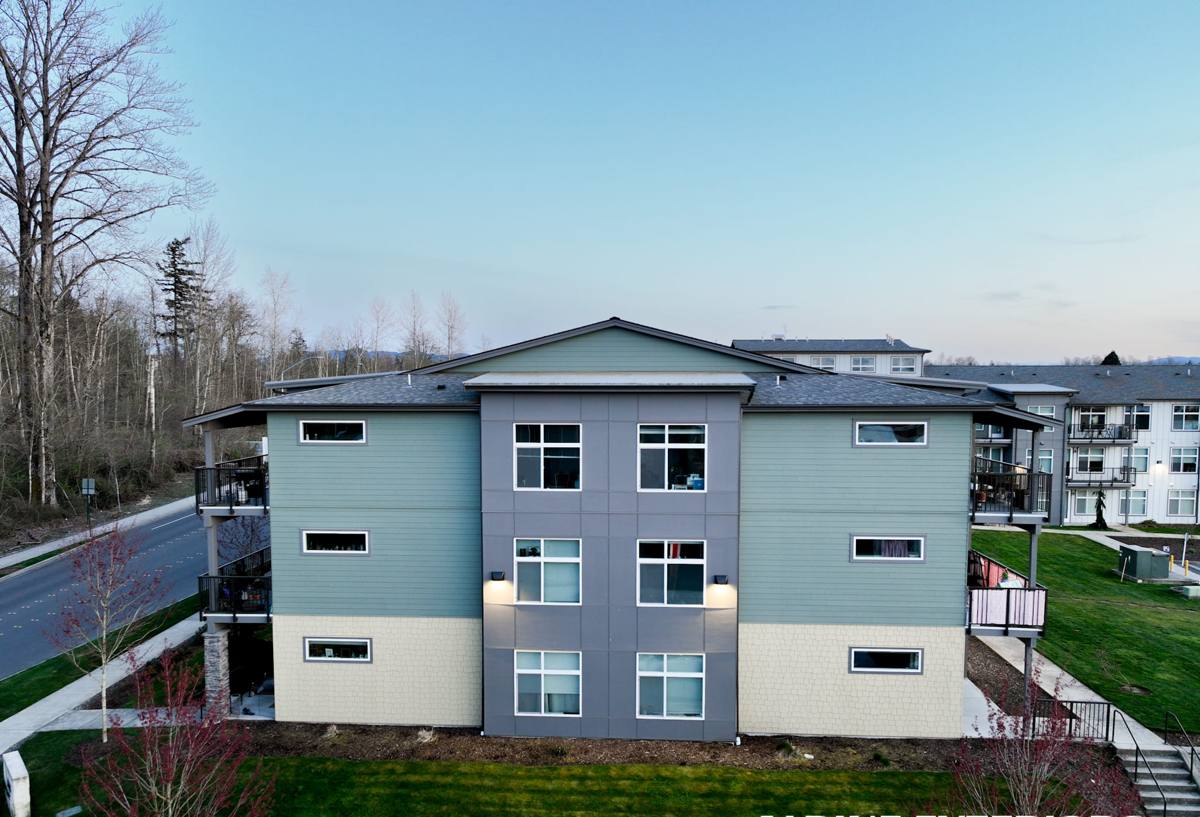
Signs Your Plant City Roof Needs Repair Now, Not Later
Most roof failures don't start as emergencies. They start small and get ignored because they're not dripping onto the kitchen table yet. Here's what we look for, and what you should too:
- Shingles that are curling, cupping, or missing granules in patches — usually from prolonged UV exposure
- Lifted or missing shingle tabs after a windstorm, even if no leak has shown up yet
- Soft or discolored ceiling drywall, especially near interior walls or around chimneys and vents
- Rust streaks or gaps at flashing points — chimneys, skylights, vent pipes, wall-to-roof transitions
- Granules collecting in gutters or at the base of downspouts
- Visible sagging anywhere on the roof plane, which can indicate deck damage underneath
- A musty smell in the attic, which often shows up before any visible ceiling staining
Any one of these on its own might be minor. Two or three together usually means water has already found a way in, and the longer it sits, the more expensive the fix gets.
Common Repair Types We Handle in the Plant City Area
Not every repair is the same job wearing a different hat. The cause matters, because it determines what actually needs to be opened up and replaced versus what can be addressed on the surface.
| Repair Type | Typical Cause | What the Fix Involves |
|---|---|---|
| Wind-lifted or missing shingles | Storm gusts, aging adhesive strips, poor original nailing pattern | Remove damaged shingles, inspect decking, replace with matched shingles, re-seal |
| Flashing leaks | Rusted, cracked, or improperly sealed flashing at penetrations | Remove and replace flashing, re-integrate with underlayment and shingle courses |
| Valley leaks | Debris buildup, worn valley material, poor original valley detail | Clear debris, inspect underlayment, replace valley metal or membrane as needed |
| Soft or sagging deck areas | Long-term moisture intrusion rotting the plywood substrate | Cut out and replace affected decking before re-shingling that section |
| Nail pops / exposed fasteners | Thermal expansion and contraction over time | Reset or replace fasteners, seal exposed heads properly |
| UV-degraded shingle fields | Cumulative sun exposure, especially on south and west-facing slopes | Assess whether targeted section repair is viable or if it signals broader wear |
What a Correct Repair Actually Involves
Diagnosis Before Demolition
Every repair starts on the ground and in the attic before it starts on the roof. Interior water stains, attic moisture, and insulation condition tell us where water is actually traveling — which is often not directly above where it shows up inside. Chasing the visible symptom instead of the real entry point is the most common way a repair fails to hold.
Matching Materials, Not Just Covering Holes
A patch that doesn't match your existing shingle profile, color lot, or underlayment type creates a weak seam and looks obviously mismatched. We pull samples from your roof when possible to get the closest match available, and we're upfront when an exact color match isn't realistic due to sun-fading on the surrounding field — that's a normal reality of repair work on any roof more than a few years old, not something we can engineer around.
Flashing and Underlayment Get the Same Attention as Shingles
Shingles get the visual attention, but flashing and underlayment are what actually keep water out at the vulnerable points — valleys, penetrations, wall transitions. A repair that replaces shingles but leaves degraded flashing underneath is a repair that will leak again, just on a delay.
Ventilation Gets Checked, Not Ignored
Poor attic ventilation accelerates shingle aging from the underside and can contribute to the exact kind of moisture problems that cause repeat leaks. If we see a ventilation issue contributing to your repair need, we'll tell you — even if it's outside the scope of the immediate fix.
Our Process, Start to Finish
- Initial contact and scheduling. We talk through what you're seeing — a leak, storm damage, a home inspection flag — and schedule a time to come look.
- On-roof and attic inspection. We physically inspect the roof surface and, when accessible, the attic and decking from below, not just a drive-by look from the ground.
- Written scope and estimate. You get a clear explanation of what's actually wrong, what we recommend, and a written price before any work starts — no vague verbal promises.
- Repair work. Most single-area repairs are completed in a single day. Larger or multi-area repairs are scoped and communicated upfront.
- Final walkthrough. We show you the completed work and explain what was done and why, in plain terms.
Repair vs. Replacement: How We Actually Decide
We don't push replacement when a repair will genuinely hold, and we don't recommend a repair when the underlying roof is past the point where patching makes financial sense. Here's the general logic we walk homeowners through:
| Factor | Leans Toward Repair | Leans Toward Replacement |
|---|---|---|
| Roof age | Under roughly 12-15 years, depending on material | Approaching or past manufacturer's expected lifespan |
| Damage extent | Localized — one slope, one penetration, one storm event | Widespread granule loss, multiple leak points, systemic wear |
| Decking condition | Solid, no rot found during inspection | Soft or rotted decking in multiple areas |
| Prior repair history | First or second repair on this roof | Repeated repairs to the same or nearby areas |
| Insurance involvement | Repair covers the documented storm damage | Adjuster or inspection identifies full-system compromise |
If your roof is a genuine borderline case, we'll say so directly rather than defaulting to whichever option is more profitable for us. It's your roof and your money — you should have a straight answer.
Why a Crew That Already Works Plant City and the Surrounding Area Matters
A roofer who works Hillsborough County regularly has a working sense of how different roof ages and installation eras in this area tend to fail — which is different information than a crew parachuting in from out of state after a storm, quoting fast and disappearing after the check clears. Local presence also means we're reachable after the job is done if something needs a second look, and we're not guessing at permitting or inspection expectations for the county.
We also know that Plant City homes see a mix of older roofs that have been through multiple storm seasons and newer construction that hasn't been tested yet. Both need different things from an inspection, and treating them the same is how repairs get missed or over-scoped.
Maintenance Steps That Extend Your Repair's Life
A good repair job can be undone by neglect just as easily as by weather. A few habits go a long way between professional inspections:
- Clear gutters and downspouts regularly so water isn't backing up under the roof edge
- Trim overhanging tree limbs that drop debris or scrape shingles in wind
- Check the attic after major storms for new moisture, even without visible ceiling stains
- Have flashing and penetrations inspected annually, since they fail before shingle fields usually do
- Address small issues — a lifted tab, a small stain — before the next storm season rather than after
- Keep a record of any prior repair work so future inspections know what's already been addressed
Get a Straight Answer About Your Roof
If you're dealing with a leak, storm damage, or just want an honest read on a roof that's showing its age, we're happy to come take a look. There's no pressure and no obligation — just a clear explanation of what we find and what it would take to fix it right. Use the form below to request a free estimate and we'll get in touch to schedule a time that works for you.