 Tampa Siding
 Siding Repair in a Neighborhood of Older Homes
Seminole Heights is one of Tampa's more established residential neighborhoods, with a housing stock that spans decades of construction styles, siding materials, and renovation histories. That mix is exactly why siding repair here is rarely a one-size-fits-all job. A home with original wood lap siding needs a different repair approach than one with 1990s vinyl or a more recent fiber cement installation. Before any repair starts, we need to know what's actually on the wall, how it was installed, and what's happening behind it.
That's the first thing we tell homeowners in this part of Hillsborough County: siding repair is diagnostic work first and carpentry second. Patching the visible symptom without understanding the cause is how the same repair ends up needed again in two years.
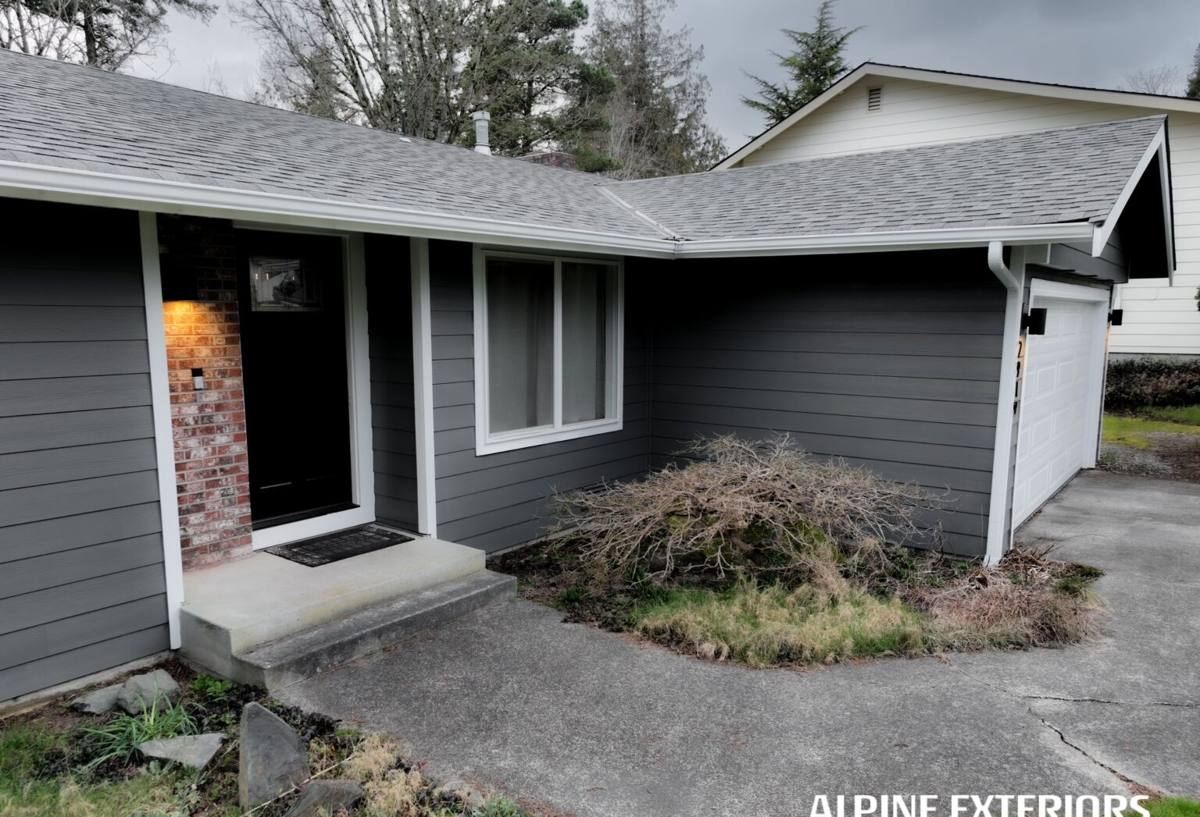
What Tampa's Climate Does to Siding
Every siding material installed in this area is fighting the same set of conditions, and Seminole Heights doesn't get a pass on any of them. Hurricane-force wind events put lateral and uplift stress on siding panels and fasteners. Intense, near year-round UV exposure breaks down paint films, caulk, and the surface of some siding materials faster than in milder climates. Wind-driven rain forces water sideways and upward into laps, seams, and trim joints that were only ever designed to shed water falling straight down. And while Seminole Heights sits inland from the coast, salt-laden air still reaches this far into the Tampa Bay area over time, accelerating corrosion on fasteners, flashing, and metal trim.
Individually, any one of these would shorten the service life of siding. Together, over enough seasons, they're the reason repair needs in this region show up earlier and more often than the national averages printed on most siding product literature.
Why This Matters for Repair Timing
Homeowners often wait until damage is visible from the street — a warped board, a gap at a corner, a stain bleeding through paint. By that point, the underlying issue (a failed seal, trapped moisture, a fastener that's backed out) has usually been active for a while. Catching these problems earlier means a smaller, cheaper repair instead of a section replacement.
Common Siding Repair Issues We See in This Area
Original and Older Wood Siding
Many older Seminole Heights homes still carry wood lap siding, either original or replaced at some point over the years. Wood is honest about moisture problems — it swells, cups, or rots wherever water gets trapped, most often at the bottom edges of boards, around window and door trim, and near ground contact. Paint failure is usually the first visible sign that a repair is overdue, since once the protective film cracks, UV and moisture go to work on the wood underneath.
Vinyl Siding
Vinyl siding installed decades ago is now old enough in many cases to show its age: brittleness from sustained UV exposure, panels that have warped or "oil-canned" from heat, and pieces that have cracked or blown off in wind events. Because vinyl expands and contracts significantly with Florida's heat swings, panels that were installed too tightly are also prone to buckling — a repair issue that's really an installation issue wearing a different disguise.
Fiber Cement Siding
Fiber cement is far more stable in this climate than wood or vinyl, but it isn't repair-proof. The failure points we see are almost always at the edges: caulk joints that have failed, cut ends that weren't sealed at installation and are now absorbing water, or impact damage from storm debris. These are usually clean, contained repairs precisely because the material itself holds up — the vulnerability is in the details around it, not the panel.
Repair vs. Replace: How We Make the Call
Not every damaged section needs a full re-side, and not every repair is worth doing. We walk homeowners through the same factors every time so the decision is theirs to make with real information, not a sales push in either direction.
| Factor | Repair Usually Makes Sense | Replacement Usually Makes More Sense |
|---|---|---|
| Extent of damage | Isolated to one or two sections or elevations | Recurring across multiple walls |
| Underlying structure | Sheathing and framing are sound | Rot or moisture damage has reached the wall structure |
| Age of existing siding | Mid-life, otherwise performing well | Near or past its expected service life |
| Cause of damage | A specific, fixable event (storm impact, one failed seal) | Systemic issue (widespread paint failure, material fatigue) |
| Material match | Replacement pieces or a close match are available | Discontinued product or visible patchwork mismatch |
When the honest answer is "repair," we repair. We don't use a service call as a pretext to sell a full replacement. When the honest answer is "this section's problems are a preview of what the rest of the house will need soon," we'll say that too — and explain why, in plain terms, before any decision gets made.
What a Correct Siding Repair Involves
A repair that actually solves the problem takes more than swapping the damaged piece for a new one. Our process on every repair call in the Seminole Heights area covers the same ground:
- Identify the actual cause of the damage, not just the visible symptom
- Check the condition of the sheathing and framing behind the damaged section before closing it back up
- Confirm the house wrap or moisture barrier in the repair area is intact and properly lapped
- Match the replacement material's profile, exposure, and finish as closely as possible to the existing siding
- Reseal and re-flash all penetrations, corners, and trim joints touched during the repair
- Check fasteners in the surrounding area for corrosion or backing-out, since salt air affects more than just the damaged spot
- Leave the repaired section watertight and ready to take paint or finish as needed
Skipping any of these steps is how a "quick patch" turns into a callback a year later — or worse, a hidden moisture problem that isn't found until it's much bigger.
When Repair Turns Into Replacement
Some homeowners call about a repair and, once we're up close, find out the damage is more widespread than it looked from the ground — rot that's spread along a wall, or siding that's simply reached the end of what repair can reasonably fix. When that happens on a Seminole Heights project, our recommendation for the replacement material is consistent: James Hardie fiber cement siding, and nothing else. We don't install vinyl, LP SmartSide, Cemplank, Allura, or primed wood siding, and we're upfront about why.
Each of those products has real strengths, but they also carry trade-offs — moisture sensitivity, installation tolerances that are easy to get wrong, or maintenance demands that don't hold up well against Tampa's UV and humidity year after year. James Hardie's fiber cement is non-combustible, engineered specifically for humid, storm-prone climates through its HZ5 product line, and finished at the factory with ColorPlus technology rather than field-applied paint that fails first in this kind of sun exposure. It also carries a strong transferable warranty, which matters to homeowners who plan to sell. We standardized on Hardie because it's the product we're comfortable standing behind on every home we touch — not because it's the only siding that exists.
Why a Crew That Already Works This Neighborhood Matters
Siding repair in an established neighborhood like Seminole Heights benefits from familiarity — with the range of siding materials still in use here, with the way older wall assemblies were typically built, and with how Tampa's specific climate stress shows up over time on different products. A crew that's diagnosed these issues repeatedly in this exact area isn't guessing at the cause of a problem; they've seen the pattern before.
It also matters for something more practical: matching. Repairing a visible section of siding on an older home only looks right if the replacement material blends with what's already there. A contractor unfamiliar with the range of siding still found on Seminole Heights homes is more likely to leave a patch that stands out rather than blends in.
Our Repair Process, Start to Finish
We start with an on-site inspection, not a phone estimate, because siding damage is almost impossible to diagnose accurately from a description alone. From there, we explain what we found, what's causing it, and whether repair or replacement is the right call — with the reasoning laid out, not just a number. If it's a repair, we scope the work, match materials as closely as possible, and complete it with the same attention to flashing, sealing, and fastening that we'd use on a full installation. If the damage points toward replacement, we'll walk through what that looks like with James Hardie siding, including the product line and finish options that fit the home.
Either way, the goal is the same: an honest read on the actual condition of your siding and a repair that holds up against the next hurricane season, not just the next inspection.
If you're seeing damage, staining, or gaps in your siding, we're happy to take a look. Reach out for a free, no-pressure estimate using the form below.