 Tampa Siding
 Riverview's Growth Is Putting New Pressure on Older and Newer Siding Alike
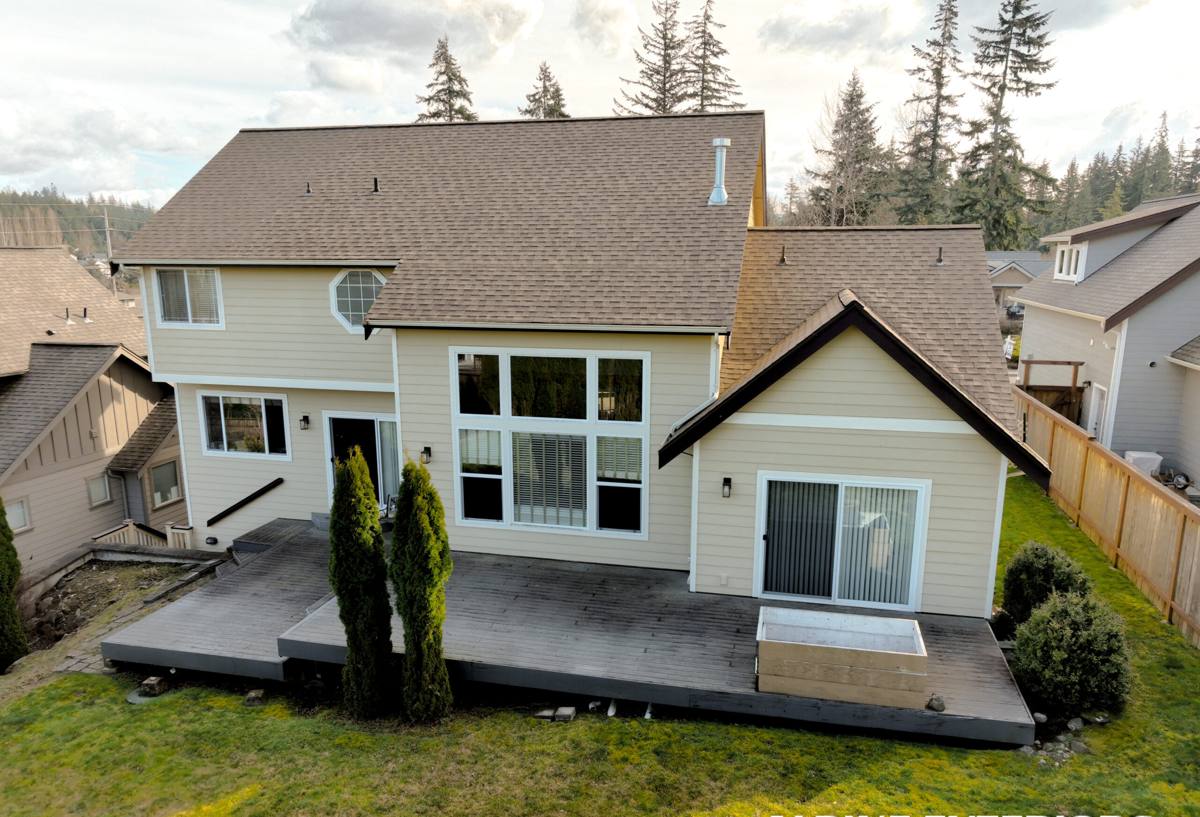
Riverview has grown fast over the last two decades, and that growth has left the community with a real mix of housing stock: older homes built before the current wind and moisture codes, mid-2000s construction that used whatever siding was cheapest at the time, and newer builds where the siding may look fine from the street but was installed in a hurry to keep pace with subdivision schedules. All three situations show up in the siding replacement calls we get from this part of Hillsborough County, and all three benefit from the same thing — a fiber cement system installed correctly, not just installed fast.
Whether your home is a decades-old ranch or a newer build in one of Riverview's newer developments, the siding on it is doing the same job: keeping wind-driven rain, humidity, and sun off your walls and sheathing, year-round, without a break.
What Tampa Bay's Climate Actually Does to Siding
Riverview sits inland from Tampa Bay, but it's still squarely inside the climate zone that makes siding decisions in this part of Florida different from siding decisions almost anywhere else in the country. Four things do the damage:
Hurricane-Force Wind
Hillsborough County sees tropical storm and hurricane conditions on a recurring basis, not as a rare event. Wind doesn't just push against siding — it gets under loose edges, works fasteners over time, and turns a marginal installation into a liability during the one storm when you need the wall system to hold.
Intense, Year-Round UV
Florida's sun angle and daily exposure hours are brutal on any exterior finish. Paint that would last 8-10 years up north can chalk, fade, and crack in half that time here. UV degradation is one of the biggest reasons siding starts looking tired well before it's actually failed structurally.
Wind-Driven Rain
It's not the rain itself that causes rot and hidden water damage — it's rain forced sideways and upward by wind, finding every gap in flashing, every unsealed penetration, and every seam that wasn't lapped correctly. This is where most real siding failures start, and it's almost always an installation problem, not a product problem.
Salt Air and Humidity
Riverview isn't beachfront, but proximity to Tampa Bay still means salt-laden air moves through the area, and combined with Florida's average humidity levels, that accelerates corrosion on fasteners and hardware and keeps moisture sitting against exterior surfaces longer than in drier climates.
None of this is unique to Riverview specifically — it's the reality across the Tampa Bay region — but it's worth saying plainly because it explains why siding choices that work fine in Ohio or Colorado can underperform badly here.
Why We Install Only James Hardie Fiber Cement
We don't install vinyl, LP SmartSide, or other fiber cement brands, and we're upfront about why: in a climate that combines hurricane wind exposure, constant UV, and salt-influenced humidity, the margin for error in siding material and finish is small, and we'd rather stand behind one system we know performs than offer a menu of products with different risk profiles.
James Hardie fiber cement is non-combustible, dimensionally stable in heat and humidity swings, and available in HZ5 formulations engineered specifically for high-humidity, storm-prone climates like ours. The factory-applied ColorPlus finish is baked on under controlled conditions and backed by its own finish warranty — a meaningful difference from field-applied paint, which is the first thing UV and wind-driven rain attack on a lot of siding systems.
We're not going to tell you every other siding product is worthless — vinyl is inexpensive and low-maintenance in mild climates, and engineered wood has real advantages in dry regions. But for a Riverview home taking direct hurricane-season exposure, we've made fiber cement our standard, and Hardie specifically because of the HZ5 line and the strength of its factory finish and transferable warranty.
What a Correct Siding Installation Actually Involves
The material is only half the equation. Most siding failures we get called out to inspect in this area trace back to installation shortcuts, not product defects. A correct install includes:
- A continuous, properly lapped water-resistive barrier behind the siding — not patched or gapped at seams
- Correct flashing at every window, door, and penetration, integrated with the WRB so water sheds outward, not inward
- Fastening that matches Hardie's published specs for our wind zone — pattern, spacing, and embedment depth all matter
- Proper clearance from grade, roof lines, and decking so siding doesn't sit in standing moisture
- Correctly lapped and sealed joints, with the right expansion gaps so panels aren't fighting Florida's heat swings
- Caulking and sealant only where Hardie's install guide actually calls for it — over-caulking traps moisture just as badly as under-caulking
Skip any one of these and the siding can look perfect for a year or two before wind-driven rain finds the weak point — usually around a window, a corner, or a low clearance area.
Our Process for a Riverview Installation
1. On-Site Assessment
We walk the exterior, check the current siding or sheathing condition, look at drainage and grade around the foundation, and note any problem areas — old water stains, soft spots, or trim that's already showing UV wear.
2. Tear-Off and Sheathing Check
Old siding comes off and we inspect the sheathing underneath. Any rot or water damage gets addressed before anything new goes up — covering a compromised wall doesn't fix it, it just hides it.
3. Water-Resistive Barrier and Flashing
This is the step that decides whether your siding stays dry for the next 30 years or fails quietly behind a good-looking exterior. We install a continuous WRB and integrate flashing at every window, door, and penetration point before a single piece of Hardie goes on.
4. Hardie Installation to Spec
Panels or planks go up following Hardie's fastening and clearance requirements for our wind zone, with attention to expansion gaps and joint treatment.
5. Trim, Caulking, and Final Inspection
Trim details get finished, sealant is applied only where it belongs, and we do a final walk-through before calling the job complete.
Cost Factors on a Riverview Siding Job
| Factor | Why It Affects Cost |
|---|---|
| Home size and number of stories | More square footage and higher elevations mean more material and labor time |
| Current siding condition | Sheathing repair from hidden water damage adds cost beyond the siding itself |
| Product line and profile | HardiePlank lap siding, HardiePanel, and HardieShingle carry different material and labor requirements |
| Trim and detail work | Corner boards, window trim, and architectural details add labor time |
| Access and site conditions | Landscaping, fencing, or tight lot lines can slow tear-off and staging |
We give exact numbers only after seeing the home in person — anyone quoting a firm price over the phone for a job like this is guessing.
What to Check Before You Hire Anyone for This Job
- Do they carry proper licensing and insurance for exterior work in Hillsborough County
- Are they a certified James Hardie installer, or working from generic fastening instructions
- Will they show you the WRB and flashing details before covering them up, or just show you finished panels
- Do they explain fastening patterns and clearances specific to our wind zone, or give a vague answer
- What does their warranty actually cover, and who backs it — the installer, the manufacturer, or both
A siding job that looks right from the curb but skips the hidden steps is the single most common source of the water damage calls we get in this part of Tampa.
Why Local Experience in Riverview Matters
A crew that already works this part of Hillsborough County knows the wind zone requirements that apply here, has already worked through the county's permitting and inspection process, and has seen how homes in this area are actually built — slab construction, common sheathing types, and the drainage patterns typical to the neighborhoods here. That's a different starting point than a crew driving in from outside the area for a one-off job. It means fewer surprises during tear-off, a faster permit process, and an installation plan that already accounts for what Riverview's climate and building stock actually demand.
Get a Straight Answer About Your Siding
If your siding is aging, showing UV wear, or you're just planning ahead of the next storm season, we're happy to take a look and give you an honest read on what your home actually needs — no pressure, no inflated quote to scare you into a decision. Reach out for a free estimate and we'll walk the property with you and answer every question directly.