 Tampa Siding
 Siding Repair Built for Carrollwood's Climate
Carrollwood homes deal with a specific combination of stresses that most siding products were never designed to handle well over the long term. Between the intense Florida sun, the wind-driven rain that comes through during summer storms and hurricane season, and the salt-laden air that drifts inland across the Tampa Bay area, siding here ages faster than it would almost anywhere else in the country. A repair that looks fine for a season but wasn't done to the right standard tends to fail again within a year or two — which is why how a repair is done matters just as much as whether it gets done at all.
We repair siding on homes throughout Carrollwood and the surrounding Hillsborough County area, and almost every job we look at falls into one of two categories: damage that's isolated and genuinely repairable, or damage that's a symptom of a bigger moisture or installation problem that a patch won't fix. Telling the difference is the first and most important part of the job.
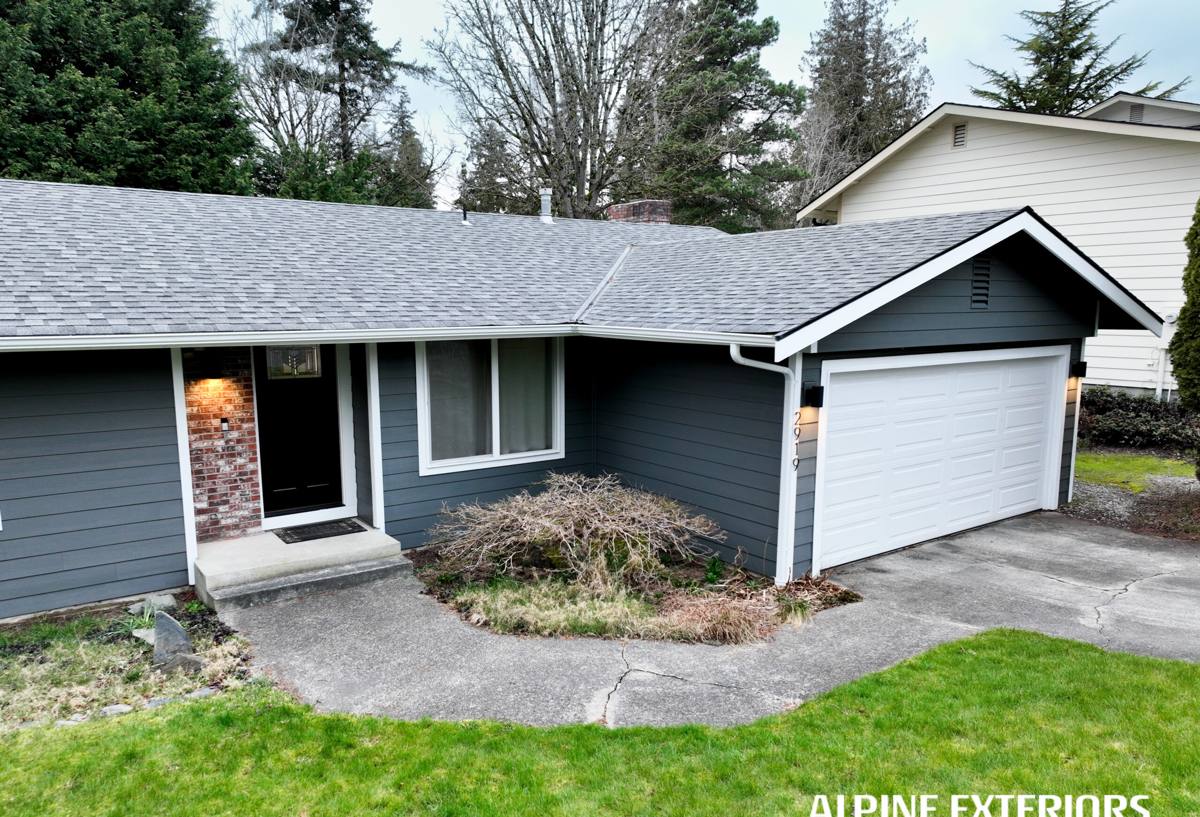
Signs Your Siding Needs Attention
Most siding problems don't show up as an obvious hole or crack. They start small and get dismissed as cosmetic until they've let moisture behind the wall for months. Homeowners in Carrollwood should watch for:
- Cracked, chipped, or split panels, especially near corners and window trim
- Boards that have separated slightly from the wall or from each other
- Soft or spongy spots when you press on the siding, which usually means moisture has gotten underneath
- Peeling, bubbling, or fading paint in one section while the rest of the house looks fine
- Visible warping or bowing, particularly on walls that get the most afternoon sun
- Small dark streaks or discoloration that keeps returning even after cleaning, which can point to trapped moisture rather than surface dirt
Any one of these on its own might be a simple fix. Several of them together, especially clustered in the same area, usually mean water has been getting behind the siding for a while and the repair needs to address the cause, not just the symptom.
What's Actually Damaging Siding in This Area
Wind and Storm Impact
Hurricane-force winds don't just tear siding off in a dramatic storm event — they also work panels loose gradually, year after year, by flexing fasteners and opening small gaps at seams. Once a gap opens, wind-driven rain finds its way in, and that's when a cosmetic issue turns into a structural one.
UV Exposure
Florida gets more direct sun, more days per year, than most of the country. Constant UV exposure breaks down paint film, degrades caulk and sealants, and can cause certain siding materials to warp or become brittle over time. South- and west-facing walls in Carrollwood typically show wear years before the shadier sides of the same house.
Moisture and Humidity
Tampa's humidity means siding rarely gets a long, dry stretch to fully release moisture it's picked up. Materials that absorb water instead of shedding it stay damp longer here than they would in a drier climate, which accelerates rot, swelling, and paint failure at seams and cut edges.
Salt Air
Carrollwood isn't directly on the coast, but the Tampa Bay area's salt air still reaches inland, and it accelerates corrosion of fasteners and metal trim while contributing to finish breakdown on painted surfaces. Over years, that adds up.
Repair or Replace? How We Actually Decide
Not every damaged section needs a full re-side, and we're not going to tell you it does. But we also won't patch over a problem that's going to come back in twelve months. Here's the general logic we use when evaluating a Carrollwood home:
| Situation | Repair Usually Makes Sense | Replacement Usually Makes More Sense |
|---|---|---|
| Extent of damage | Isolated to a few boards or one wall section | Spread across multiple walls or the whole house |
| Underlying cause | Impact damage, a failed sealant joint, or a one-off installation error | Systemic moisture intrusion or house-wrap failure behind the siding |
| Age and condition of remaining siding | Siding is otherwise sound and has years of life left | Siding is near end of service life or already showing widespread wear |
| Match availability | Replacement boards can match existing profile, reveal, and finish closely | Original product is no longer available or discontinued |
| What's behind the wall | Sheathing and framing tested dry and sound | Rot or sustained moisture damage found in the wall assembly |
We always check what's behind a damaged section before quoting a repair. Patching over wet sheathing is a waste of your money — it looks fixed for a while and then fails again.
What a Correct Siding Repair Actually Involves
A siding repair done right is more than swapping a broken board for a new one. The steps that actually determine whether the repair holds up are:
- Removing damaged material carefully without disturbing surrounding boards or trim more than necessary.
- Inspecting the wall assembly behind the removed siding — house wrap, flashing, and sheathing — for moisture damage or gaps that let water in to begin with.
- Repairing or replacing the water-resistive barrier if it's compromised, not just the visible siding.
- Correcting flashing and drainage details around windows, doors, or penetrations if that's what caused the original failure.
- Installing matching replacement material with proper fastening, spacing, and clearances to code and manufacturer specification.
- Sealing and finishing so the repaired section sheds water the same way the original installation was designed to.
Skip step two or three, and you've just delayed the same failure. This is the part of the job that's easy to shortcut and impossible for a homeowner to verify after the wall is closed back up — which is why who does the work matters.
Why We Repair and Install Only James Hardie Fiber Cement
We don't work with vinyl, LP SmartSide, or other engineered wood siding products, and that standard applies to repairs as much as new installations. James Hardie fiber cement is non-combustible, holds its shape in heat and humidity far better than wood-based products, and its ColorPlus factory finish is baked on under controlled conditions — which means a properly matched repair section can blend in cleanly rather than standing out as an obvious patch with a different sheen or color drift.
Hardie's HZ5 product line is engineered specifically for climates like ours, built to hold up against the humidity, wind-driven rain, and freeze-thaw irrelevance that doesn't apply here but heat and moisture cycling absolutely does. It also carries a strong transferable warranty when installed to manufacturer specification, which matters on a repair just as much as a full install — sloppy repair work can affect warranty coverage on the rest of your siding.
When we do have to turn away a repair request because the existing siding is a different material, we'll say so honestly and explain the options rather than installing something we don't stand behind.
Our Process for Carrollwood Homeowners
We work in Carrollwood regularly, which means we already know what tends to go wrong on homes in this part of Hillsborough County — the wall orientations that take the most sun, the areas prone to standing moisture, and the age range of homes where original installation shortcuts are more common. That local familiarity speeds up diagnosis and means fewer surprises once we open up a wall section.
A typical repair visit looks like this:
- On-site inspection of the damaged area and a check of adjacent sections for related issues
- A look behind the siding where damage suggests possible moisture intrusion, not just a surface patch
- A clear explanation of what we found and why we're recommending repair, partial replacement, or full replacement
- A written estimate with the scope spelled out before any work begins
- Repair work matched to your existing Hardie siding profile and finish wherever possible
Questions Worth Asking Before You Hire Anyone
Siding repair is one of those jobs where a rushed or cheap fix is genuinely more expensive than doing it right the first time, because the failure happens behind a finished wall where you can't see it. Before hiring a contractor for repair work in Carrollwood, ask:
- Will you inspect behind the damaged siding, or just replace what's visible?
- What happens if you find rot or moisture damage once the wall is opened?
- Can you match my existing siding's profile and finish, or will the repair be visibly different?
- Do you carry liability insurance and workers' compensation coverage?
- Will the repair affect my existing siding's manufacturer warranty, and how do you protect it?
- Can I get the scope of work and findings in writing before you start?
A contractor who's uncomfortable answering any of these directly is worth thinking twice about.
After the Repair: Keeping It From Happening Again
Once a repair is done correctly, a little routine attention keeps it that way. Rinse siding periodically to clear salt residue and pollen buildup, keep an eye on caulking around windows and trim since sealants degrade faster under constant UV exposure, and trim back vegetation that holds moisture against exterior walls. Walking the perimeter of your home once or twice a year, especially after storm season, is usually enough to catch small issues before they turn into repeat repairs.
If you're noticing damage, wear, or discoloration on your Carrollwood home's siding, we're happy to take a look and give you an honest read on what it needs. Reach out for a free, no-pressure estimate using the form below.