 Tampa Siding
 Siding Repair Built for Wesley Chapel's Weather
Wesley Chapel sits inland from Tampa Bay, but "inland" doesn't mean sheltered. Homes here still take a beating from the same weather system that hammers the rest of Hillsborough County: hurricane-force wind gusts during tropical systems, wind-driven rain that gets forced sideways into wall assemblies, and some of the most intense year-round UV exposure in the continental United States. Add in the humidity that never really lets up, and you have a climate that finds every weak point in a home's exterior and works on it, day after day, for years.
Siding repair in this area isn't a cosmetic fix. It's the difference between catching a problem while it's still a panel-level issue and letting it turn into a framing or sheathing issue. We repair siding for homeowners throughout Wesley Chapel and the greater Tampa area, and the patterns we see here are consistent enough that we can tell you what to expect before we even get a crew on site.
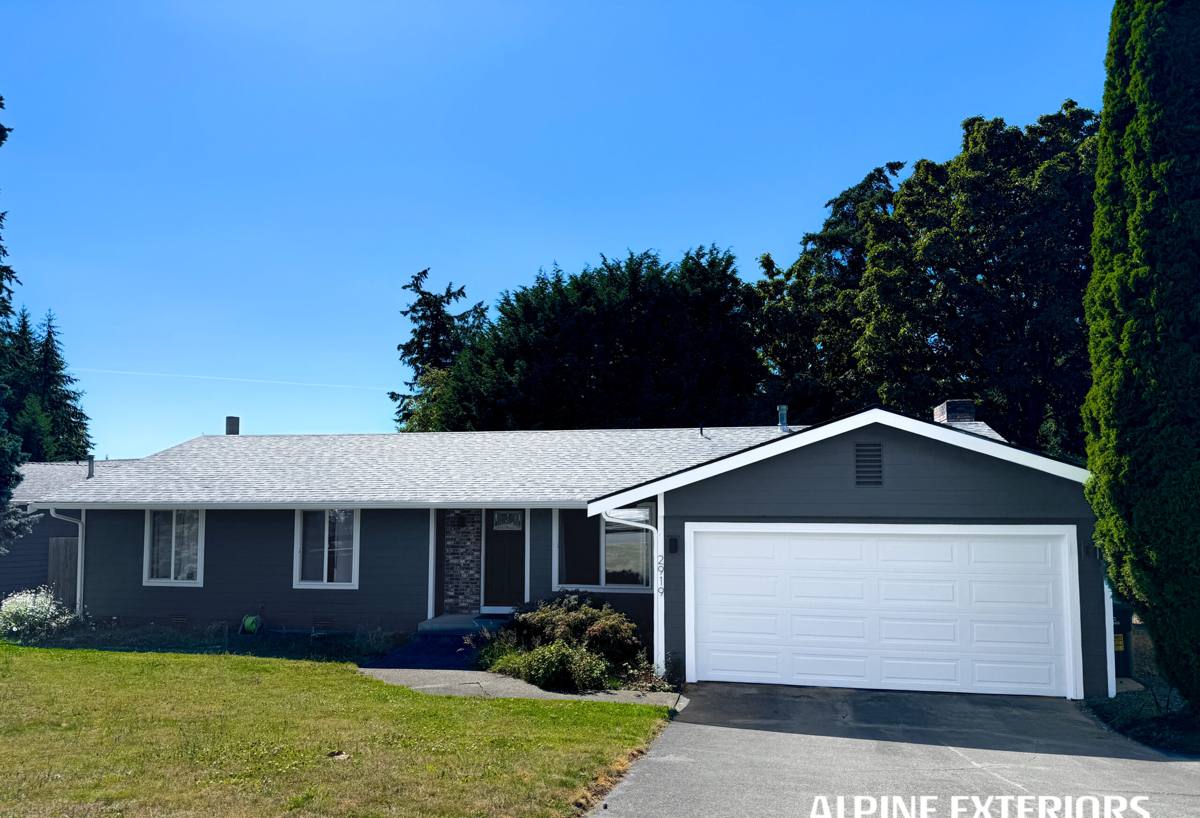
What Actually Damages Siding in Wesley Chapel
Wind and Storm Impact
Tropical storms and hurricane outer bands push wind loads that siding manufacturers rate for, but only when the product was installed correctly to begin with. Loose fasteners, under-driven nails, or panels that were never properly lapped will fail first — sometimes cracking, sometimes pulling away from the wall entirely. After any named storm, we see a spike in calls for exactly this kind of damage.
Wind-Driven Rain and Moisture Intrusion
Straight-down rain is rarely the problem. Wind-driven rain gets pushed horizontally and upward, finding gaps at seams, trim, and penetrations that would never see water in a calmer climate. Once moisture gets behind siding, it doesn't just sit there — it soaks into whatever is underneath, and by the time a homeowner notices a stain or soft spot on the interior wall, the damage has usually been developing for a while.
UV Degradation
Tampa-area sun exposure is relentless. Over years, UV breaks down paint films, causes fading, and stresses certain siding materials to the point of warping or cracking, especially on south and west-facing walls that take direct sun for most of the day.
Humidity and Organic Growth
Constant humidity supports mold, mildew, and algae growth on siding surfaces, and in shaded or poorly ventilated areas, that moisture load can contribute to rot in the substrate behind the siding, not just surface staining.
Signs a Wesley Chapel Home Needs Siding Repair
- Cracked, split, or visibly bowed siding panels
- Soft or spongy spots when pressed (often a sign of moisture behind the panel)
- Panels that have pulled loose from the wall or shifted after a storm
- Peeling paint or finish failure concentrated in one area, especially south/west walls
- Visible gaps at seams, corners, or trim where caulking has failed
- Dark staining, mold, or mildew that keeps returning after cleaning
- Interior signs — a stain on a wall, a musty smell, or soft drywall near an exterior wall
What a Correct Repair Actually Involves
A lot of siding repair in this industry gets done wrong — not because the crew is careless, but because it's rushed. Cutting out a damaged panel and slapping in a replacement without checking what's happening underneath is how the same repair call comes back in two years. Our process is built to prevent that.
1. Diagnose Before Cutting
We start by figuring out why the damage happened, not just where it is. If a panel cracked from impact, that's one repair. If it cracked because moisture had already compromised the material, that's a different — and larger — repair, and we tell you which one you're dealing with before we start.
2. Inspect What's Behind the Siding
Any time we remove a damaged section, we check the water-resistive barrier, flashing, and sheathing underneath. Siding is the visible layer, but it's not the only layer keeping water out, and repairing the surface while ignoring rotted sheathing behind it is a waste of a homeowner's money.
3. Match Material and Profile
Replacement sections need to match the existing siding's profile, reveal, and finish as closely as possible. Mismatched repairs are one of the most common complaints we hear about prior work — a patch that's technically weathertight but sticks out visually for the life of the house.
4. Reseal and Re-Flash Properly
Seams, corners, and penetrations get properly flashed and sealed, not just caulked over. In a market that sees regular wind-driven rain, sealant alone is a maintenance item, not a permanent fix — proper flashing detail is what actually keeps water out long-term.
5. Verify Fastening for Wind Load
Every repaired or replaced section gets fastened to manufacturer wind-load specifications, not just "close enough." This matters more in Hillsborough County than in most of the country.
Repair vs. Replacement: How We Help You Decide
| Factor | Repair Likely Sufficient | Replacement Worth Considering |
|---|---|---|
| Damage extent | Isolated to a few panels or one wall section | Widespread across multiple walls |
| Underlying moisture | None found behind removed panels | Rot or sustained moisture damage in sheathing |
| Age of existing siding | Mid-life, otherwise sound material | Near or past expected service life |
| Material match | Close match available | Discontinued profile/color, poor match likely |
| Storm history | Single isolated event | Repeated damage after multiple storms |
We'll give you an honest read on which category your home falls into. A lot of contractors default to recommending full replacement because it's a bigger job — we'd rather do the repair that actually fits the damage and earn the bigger job later, if and when it's genuinely needed.
Why We Only Repair With and Recommend James Hardie Fiber Cement
When a repair calls for new material — whether it's a few replacement boards or a case where replacement makes more sense than patching — we use James Hardie fiber cement, and we don't install anything else. That's a deliberate standard, not a default.
Fiber cement is non-combustible, which matters in a state where wildfire and lightning-driven brush fires are a real, if secondary, risk. More directly relevant to Wesley Chapel: Hardie's HZ5 product line is engineered specifically for hot, humid, high-moisture climates like ours, with a formulation designed to resist the swelling, cracking, and moisture absorption that plague wood-based and some engineered wood siding products in Florida conditions. The factory-applied ColorPlus finish is baked on and warrantied against fade and peel far longer than field-applied paint, which matters enormously under Tampa's UV load. And Hardie's transferable limited warranty gives homeowners real backing if something does go wrong down the line.
We won't install vinyl, LP SmartSide, primed wood, or other fiber cement brands on a repair, and we're upfront about why: those products each carry trade-offs in moisture performance, longevity, or warranty structure that we've decided aren't worth building into a home we're putting our name on. If a full section of your home needs new siding, Hardie is what goes up.
Our Wesley Chapel Repair Process
- On-site inspection — we look at the damage, the surrounding areas, and check for moisture behind the siding
- Honest diagnosis — you get a clear explanation of what caused the damage and what it will take to fix it correctly
- Written estimate — scope, material, and cost laid out before any work starts
- Repair or replace — matched material, proper flashing, and fastening to spec
- Cleanup and walkthrough — we review the finished work with you before we consider the job done
Why a Crew That Already Works Wesley Chapel Matters
Siding repair isn't one-size-fits-all across Florida, let alone across the country. A crew that works Wesley Chapel regularly knows what the local building department expects for permitting on exterior work, knows which failure patterns show up most often in this area's housing stock, and isn't guessing at how the local climate stresses different materials — they've already seen it firsthand on other homes nearby. That local repetition is what lets us diagnose a problem quickly instead of treating every job as a first-time experiment.
It also means faster response after a storm. When wind and rain move through Hillsborough County, demand for repair spikes across the whole region — homeowners who already have a relationship with a local crew get looked after faster than those starting from scratch with an out-of-area company.
Get a Free, No-Pressure Estimate
If your Wesley Chapel home has damaged, cracked, or failing siding, we're happy to take a look and give you a straight answer on what it needs — repair or replacement, and why. There's no cost and no pressure to move forward. Fill out the form below and we'll get in touch to schedule a time.