 Tampa Siding
 Westchase is one of the largest master-planned communities in northwest Hillsborough County, and most of its housing stock went up during Tampa Bay's big growth years in the 1990s and 2000s. That puts a lot of Westchase homes right in the window where original siding — especially anything that isn't fiber cement — starts to show real wear. Between Gulf humidity, intense year-round UV, wind-driven rain from passing storms and hurricanes, and the salt air that reaches well inland from Tampa Bay, siding in this part of Hillsborough County works harder than it does in most of the country. This page covers what a proper siding replacement looks like for a Westchase home, why the timing matters more than most homeowners realize, and what we actually do when we're on-site in the neighborhood.
What Tampa Bay's Climate Does to Siding in Westchase
Every material on the exterior of a Westchase home is fighting the same combination of stressors, year after year, without a break.
Heat and UV
Florida sun is relentless. Painted wood-based siding chalks, fades, and loses its finish faster here than almost anywhere else in the country, and repeated expansion and contraction from daytime heat and overnight cooling stresses seams and fastener points over time.
Wind, Rain, and Salt
Wind-driven rain during storms and hurricanes doesn't just hit siding head-on — it gets pushed sideways and upward, finding any gap in flashing, trim, or seams. If the water-resistive barrier and flashing details underneath aren't done correctly, moisture works its way behind the siding where it can sit against sheathing and framing for days. Add in salt-laden air moving inland off Tampa Bay, which accelerates corrosion on fasteners, trim, and any exposed metal, and it's easy to see why siding that isn't built and installed for this climate fails early.
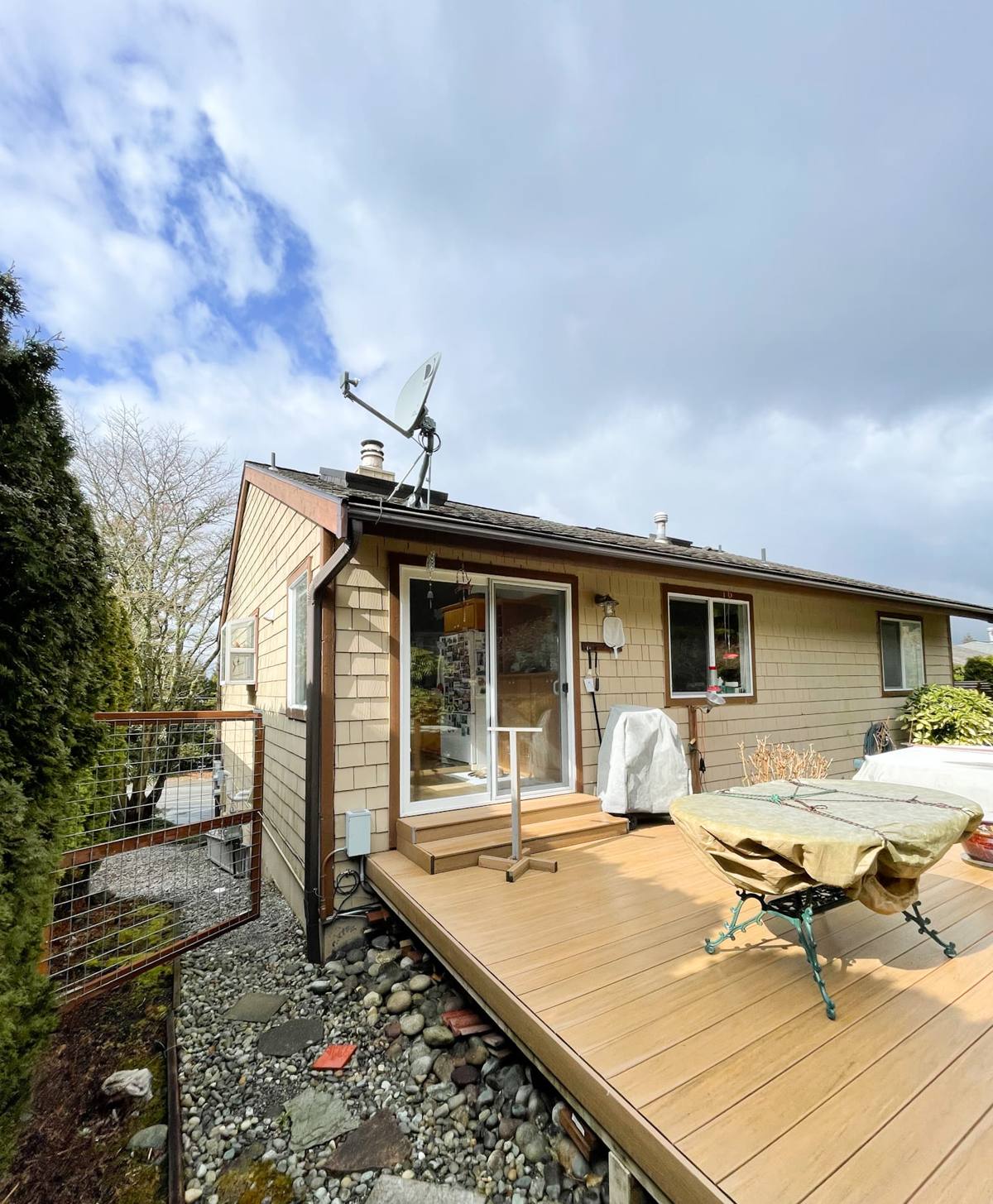
Signs a Westchase Home Needs Replacement, Not Just a Repair
Spot repairs make sense when damage is limited and the rest of the siding is sound. Replacement becomes the right call once the underlying material is compromised across multiple areas, or the siding is old enough that further patching just delays a bigger problem. Signs worth taking seriously include:
- Panels that are buckling, bowing, or visibly separating from the wall
- Soft, spongy spots when you press on the siding, especially near the bottom courses or under windows
- Paint that won't hold anymore, even after a fresh coat — a sign the substrate underneath is failing
- Seams and joints that have opened up or no longer sit flush
- Visible rot, staining, or swelling at corners, window and door trim, or anywhere siding meets another material
- Rising cooling bills with no other explanation, which can point to moisture-compromised insulation behind the siding
- Original siding that's approaching or past 20–25 years old, particularly if it's a wood-based or vinyl product
Why Home Age Matters So Much in This Neighborhood
Because Westchase was built out largely in one concentrated stretch, a lot of the community's original siding is now aging out at roughly the same time. Homes from that era were frequently sided in products that made sense on paper at the time — wood-based composite panels, vinyl, or basic fiber cement — but many of those products simply weren't engineered for Gulf Coast humidity and storm exposure the way today's climate-specific fiber cement is. For a lot of Westchase homeowners, this isn't a cosmetic upgrade decision; it's the first full siding replacement the house has ever had, and it's an opportunity to put something on the wall that's actually built for where the house sits.
HOA and Neighborhood Considerations
Westchase, like many master-planned communities in Hillsborough County, has an architectural review process that covers exterior changes, including siding material and color. Requirements and approval timelines vary by section and association, so we don't assume — we work from whatever guidelines apply to your property. In practice, this usually means confirming approved colors or getting sign-off before material orders go in, so the project isn't held up mid-way. James Hardie's ColorPlus palette gives homeowners a wide, HOA-friendly range of factory-finished colors to choose from, which generally makes this step straightforward.
What a Correct Siding Replacement Actually Involves
A siding replacement is only as good as what happens underneath the visible surface. Cutting corners here is exactly what leads to the moisture and rot problems that force an early second replacement.
Tear-Off and Inspection
Old siding and trim come off down to the sheathing, which then gets inspected for water damage, soft spots, or rot — especially around windows, doors, and corners where leaks tend to originate. Anything compromised gets repaired or replaced before new siding goes up; installing over a damaged substrate just locks the problem in.
Water-Resistive Barrier and Flashing
A continuous water-resistive barrier goes over the sheathing, with flashing installed at every penetration and transition — window and door openings, roof-to-wall intersections, and any place two materials meet. This is the layer that actually keeps wind-driven rain out of the wall assembly, and it matters more in Hillsborough County than almost anywhere else in the state.
Installation to Manufacturer Spec
Fiber cement has specific fastening patterns, clearances, and joint treatment requirements, and James Hardie's warranty depends on following them. Proper nailing depth, correct gaps at butt joints, and manufacturer-approved caulking and paint all factor into how well the siding performs through storm season after storm season — and into whether the warranty is actually valid if something does go wrong down the line.
Why We Install Only James Hardie Fiber Cement
We don't install vinyl, LP SmartSide, primed wood, cedar, or other fiber cement brands. That's a deliberate standard, not a limitation of what we're capable of installing. James Hardie's HZ5 product line is engineered specifically for high-humidity, storm-prone climates like ours, the material is non-combustible, and it doesn't absorb moisture, swell, or delaminate the way wood-based composite siding can. The factory-applied ColorPlus finish holds its color far longer under Florida UV than field-applied paint, which cuts down on repainting cycles most homeowners would otherwise face every several years. Hardie also backs the product with a strong, transferable warranty when it's installed to spec — which is exactly why correct installation isn't optional for us. We'd rather install one product exceptionally well than spread ourselves across several and do all of them adequately.
Our Process for a Westchase Siding Replacement
- On-site inspection and estimate — we look at the current siding, trim, and any visible problem areas, and walk through what a replacement would involve on your specific home.
- Product and color selection — choosing the Hardie plank profile and ColorPlus color, and confirming HOA approval where it applies.
- Tear-off and substrate repair — removing old siding and trim, inspecting and repairing sheathing and framing as needed.
- Water-resistive barrier and flashing installation — the moisture-management layer that protects the wall assembly long-term.
- Siding installation — installed to James Hardie's fastening and clearance specifications.
- Trim, caulking, and finish work — detail work at corners, windows, and transitions.
- Final walk-through and cleanup — reviewing the finished job with you and clearing the site.
Cost Factors for Siding Replacement in Westchase
Every home is different, so we don't quote pricing without seeing the property, but the factors that move the number most are consistent from house to house:
| Cost Factor | Why It Matters | Typical Impact |
|---|---|---|
| Home size and number of stories | More square footage and height mean more material and labor time | High |
| Substrate condition | Rot or water damage found during tear-off requires repair before new siding goes on | High |
| Trim and architectural detail | Corners, gables, and window/door trim take more time to finish correctly | Medium |
| Siding profile chosen | Plank width and style affect material cost and installation time | Medium |
| Site accessibility | Tight lot lines, fencing, or landscaping can slow tear-off and staging | Low to Medium |
Why Hiring a Crew That Already Works in Westchase Matters
A crew that regularly works this neighborhood already understands the HOA approval process, has a feel for the moisture and substrate issues common to homes built during Westchase's main construction years, and knows how to plan around Hillsborough County's storm season instead of getting caught by it mid-project. That familiarity translates into fewer surprises, faster HOA paperwork, and a finished job that's actually built to handle the wind, rain, and salt air this part of Tampa deals with every year.
If you're weighing a siding replacement for your Westchase home, we're happy to take a look and walk you through what we're seeing — no pressure, no obligation. Use the form below to request a free estimate.