 Tampa Siding
 Storm Damage Roof Repair in New Tampa, Florida
New Tampa's newer subdivisions and master-planned communities sit inland from the bay, but that doesn't spare them from what Hillsborough County storms do to a roof. Between hurricane-force wind events, the sudden pop-up thunderstorms that roll through most summer afternoons, and the kind of intense, near-constant Florida sun this region gets, a roof here takes a beating in ways a lot of homeowners don't fully see until damage has already spread underneath the shingles. We repair storm-damaged roofs for New Tampa homes, and this page covers what actually needs to happen for that repair to hold up long-term — not just patch the visible problem and move on.
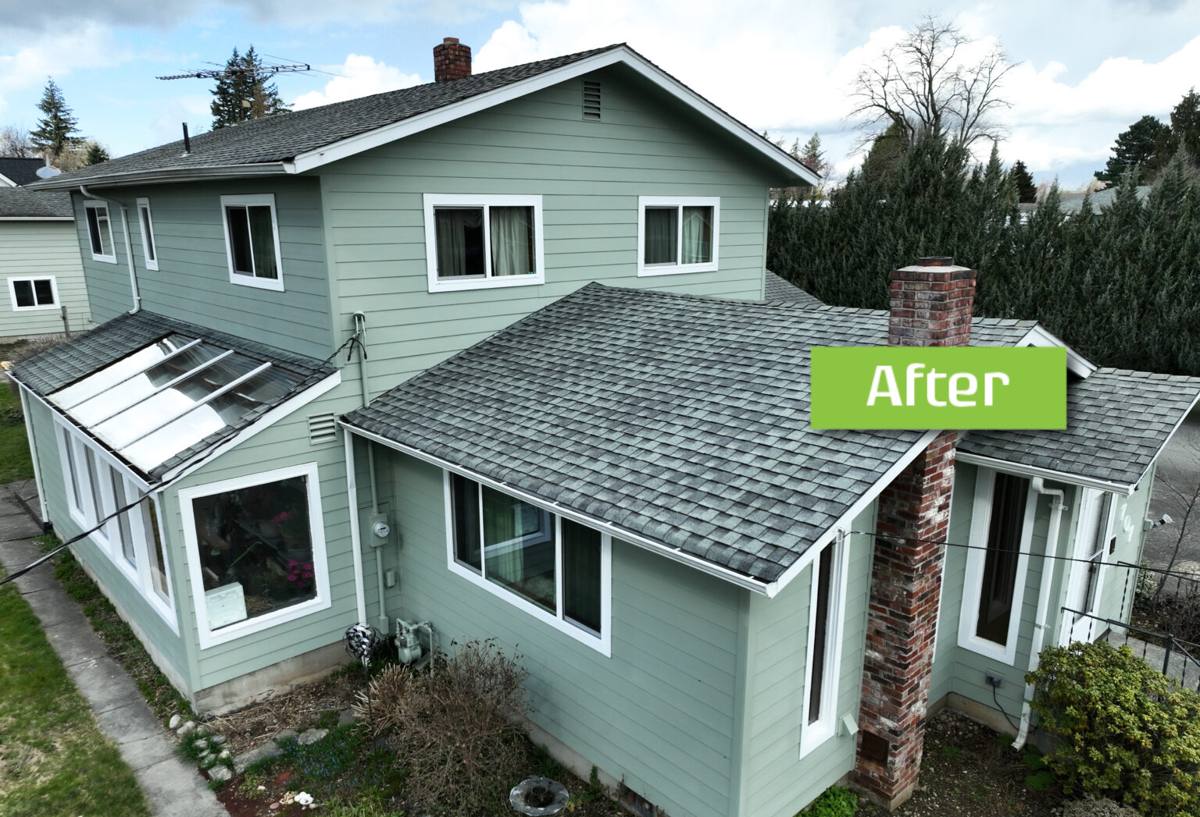
What Tampa-Area Weather Does to a Roof
A roof in New Tampa isn't fighting one kind of weather — it's fighting several, often in the same week.
Wind
Hillsborough County sees straight-line thunderstorm winds regularly and hurricane or tropical-storm-force wind on a recurring basis during the season. Wind doesn't just tear shingles off outright — more often it lifts an edge or corner just enough to break the seal strip, and that shingle looks fine from the ground while it's now letting wind-driven water underneath every time it storms.
Wind-Driven Rain
Straight-down rain and wind-driven rain behave completely differently on a roof. Wind-driven rain gets pushed sideways and upward under shingle edges, around flashing, and into any gap that a calm-weather rain would never reach. This is usually how storm damage turns into interior leaks weeks after the storm has already passed.
UV Exposure
Florida's sun is intense and consistent nearly year-round. UV breaks down the asphalt in shingles over time, drying out the mat and making shingles more brittle and more likely to crack or tear loose in the next wind event rather than flex with it. A roof that's already UV-aged goes into a storm at a disadvantage.
Humidity and Salt-Laden Air
Even for inland Tampa neighborhoods, salt-laden air gets carried well beyond the immediate coastline during storms and high-wind events, and it accelerates corrosion on exposed metal — nail heads, flashing, vent stacks, and fasteners. Combined with Tampa's humidity, that corrosion happens faster here than it would in a drier, inland climate elsewhere in the country.
None of these factors act alone. A roof that's UV-aged and has a few corroded fasteners is far more vulnerable the next time high wind and driving rain show up together — which in this region isn't a matter of if, but when.
Signs Your New Tampa Roof Has Storm Damage
Some storm damage is obvious. A lot of it isn't, and that's the damage that causes real problems down the line because it goes unaddressed through another storm cycle. After any significant wind or hail event, it's worth checking for:
- Missing, cracked, curled, or lifted shingles — especially near roof edges, corners, and ridge lines
- Granules collecting in gutters or at downspout outlets (a sign of shingle surface wear or hail impact)
- Soft spots or discoloration on interior ceilings, particularly after a storm with heavy rain
- Bent, lifted, or missing flashing around chimneys, vent stacks, and skylights
- Visible daylight or gaps in the attic where soffit or roofline meets the structure
- Dented or damaged gutters, vents, or roof-mounted fixtures (often a sign of hail even when shingles look okay)
- A musty smell in upper rooms or attic space that wasn't there before
Any one of these on its own might be minor. Several together, or any sign paired with an active leak, means it's time for a proper inspection rather than a wait-and-see approach.
What a Correct Storm Damage Repair Involves
The difference between a repair that lasts and one that fails again in the next storm usually comes down to what happens before the new shingles ever go on.
Full Inspection, Not Just the Visible Damage
We check the full roof plane, not just the spot the homeowner points to. Wind damage in particular tends to show up in more than one location, and it's common to find a second problem area near the first once we're actually up there.
Deck Inspection Underneath
If water has been getting under shingles for any length of time, the plywood or OSB decking underneath needs to be checked for soft spots, delamination, or rot. Laying new shingles over a compromised deck is a repair that looks fine and fails within a season or two.
Underlayment
The underlayment is the actual water barrier — shingles are the first line of defense, but underlayment is what keeps a home dry if wind gets under them during the next storm. Damaged or aged underlayment in a repair area gets replaced, not left in place under new shingles.
Flashing and Penetrations
Flashing around chimneys, vents, skylights, and roof-to-wall transitions fails quietly. It's one of the most common sources of a leak that homeowners assume is a shingle problem when it isn't.
Matching and Fastening
Repairs get tied into the existing roof correctly — proper nailing pattern, correct shingle matching where possible, and a finished edge that sheds water the way the rest of the roof does, not a visibly patched section that becomes its own weak point.
Repair or Replace? Cost Factors to Understand
Not every storm-damaged roof needs full replacement, and not every roof can be safely and honestly repaired. The right call depends on a few factors:
| Factor | Leans Toward Repair | Leans Toward Replacement |
|---|---|---|
| Roof age | Roof is under roughly 10-12 years old | Roof is near or past its expected service life |
| Extent of damage | Damage is isolated to one or two areas | Damage is spread across multiple roof planes |
| Deck condition | Decking underneath is sound | Widespread rot or soft decking found |
| Shingle availability | Matching shingles are still available | Discontinued shingle line, visible mismatch unavoidable |
| Prior storm history | First significant damage event | Repeated storm damage over recent years |
We'll give you a straight answer on which side of that line your roof falls on. If a repair is the honest, durable option, that's what we recommend — a full replacement isn't automatically the "safer" answer just because it's more thorough, and we're not going to sell a homeowner more roof than the damage calls for.
Working With Your Insurance Claim
Storm damage repair often involves an insurance claim, and the documentation matters as much as the repair itself. We provide clear photos, a written scope of the damage, and a straightforward description of what caused it and what's needed to fix it — the kind of documentation that supports a claim rather than leaves gaps an adjuster has to guess at. We're not a public adjuster and we don't negotiate your claim for you, but we make sure the roof side of your claim is documented accurately from the start.
Our Storm Damage Repair Process
- Inspection. We assess the full roof, not just the reported problem area, including a look in the attic where accessible.
- Written scope. You get a clear explanation of what's damaged, what caused it, and what repair (or replacement) is actually needed — with photos.
- Temporary protection if needed. If there's an active leak or exposed decking, we address that first to stop ongoing water intrusion while the full repair is scheduled.
- Repair work. Deck, underlayment, flashing, and shingle work completed to match the existing roof as closely as possible and tie in correctly with surrounding sections.
- Final walkthrough. We review the completed work with you before we consider the job done.
Why a Local New Tampa Crew Makes a Difference
A crew that regularly works New Tampa and the surrounding Hillsborough County area knows the roofing systems and shingle types common to the newer subdivisions here, understands how the county's permitting and inspection process works, and isn't learning the area's storm patterns for the first time on your roof. After a widespread storm event, out-of-town crews sometimes move through an area doing fast, surface-level patch work and then leave — a local crew has a reason to make sure the repair is done right, because we're still going to be here in this community afterward. That matters for warranty follow-through and for having someone accountable if a question comes up down the road.
After the Repair: Reducing Future Storm Risk
A repaired roof still benefits from some basic upkeep between storms. Keep gutters clear so wind-driven rain has somewhere to drain instead of backing up under the roof edge. After any significant wind event, a quick visual check from the ground for missing or lifted shingles catches small problems before the next storm turns them into interior damage. And if your roof is approaching the age where UV exposure has taken a real toll, an inspection before hurricane season starts is worth more than a repair after it.
If your New Tampa home has storm damage — or you're not sure whether what you're seeing is worth a repair — we're glad to take a look and give you an honest assessment. Request a free, no-pressure estimate using the form below.