 Tampa Siding
 Storm Damage Roof Repair Built for Town 'n' Country
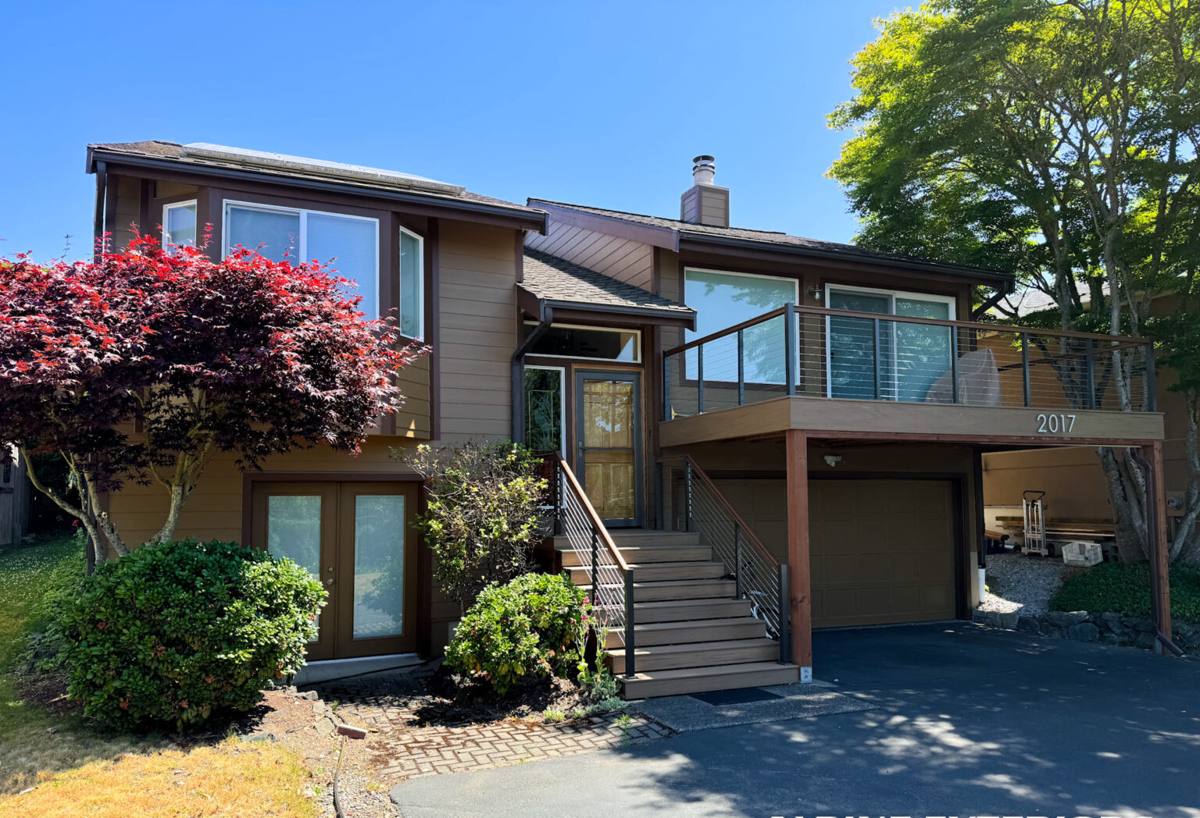
Town 'n' Country sits far enough inland from the Gulf to feel a little safer from hurricanes, but the roofs here still take a real beating. Every storm season brings tropical downpours, straight-line wind gusts, and the occasional direct hit that peels shingles, bends flashing, or drives water where it doesn't belong. A roof that looks fine from the driveway can be hiding damage that gets worse with every rainstorm. We repair storm-damaged roofs for homeowners in this part of Hillsborough County, and we do it with an eye toward what actually holds up here long-term, not just what patches the problem for one season.
Why Roofs Here Take Extra Punishment
Hillsborough County sits in a part of Florida that gets hit from more than one direction. Summer brings near-daily thunderstorms with wind-driven rain that can force water sideways under shingle edges and around vents. Hurricane season brings sustained winds strong enough to lift improperly fastened shingles and tear off ridge caps. And in between storms, the sun does its own damage — Tampa's UV exposure is intense and constant, drying out asphalt shingles and breaking down sealants year-round.
Because Town 'n' Country is close to Tampa Bay's open water, roofs here also deal with a steady low-level dose of salt in the air. It's not the same exposure a beachfront home gets, but over years it still accelerates corrosion on exposed metal — nail heads, flashing, gutter fasteners, and vent housings age faster here than they would further inland. A repair that ignores this combination of wind, water, sun, and salt tends to fail again within a few years.
What Actually Counts as Storm Damage
Not every roof problem after a storm is obviously storm-related, and not every pre-existing issue is storm damage just because it showed up after bad weather. Knowing the difference matters, especially if you plan to file an insurance claim. Storm damage typically includes:
- Shingles that are lifted, creased, or missing entirely, usually along ridgelines and roof edges where wind pressure is highest
- Granule loss heavy enough to expose the asphalt mat underneath, often from wind-driven debris or hail
- Flashing pulled away from chimneys, walls, or vent pipes, letting water track into the decking
- Punctures or dents from tree limbs, roofing debris, or hail impact
- Soffit or fascia damage that lets wind-driven rain into the attic space
- Water stains on ceilings or in the attic that appeared shortly after a specific storm event
Gradual wear — brittle shingles from age and UV exposure, sealant that's dried out over the years, or a roof simply at the end of its service life — is a maintenance issue, not storm damage. Part of our job during an inspection is being honest about which category your roof falls into, because that distinction affects both the repair plan and whether your insurance carrier will cover it.
Our Repair Process, Start to Finish
Emergency Mitigation First
If a storm has left your roof actively leaking or exposed, stopping further water intrusion comes before anything else. That usually means a tarp-down or temporary sealing of exposed decking. This step protects your attic insulation, drywall, and framing while the rest of the repair is planned — it's not a permanent fix, just damage control.
Full Roof Inspection
Once the roof is stabilized, we walk the entire roof, not just the area you noticed damage. Wind and hail rarely limit themselves to one spot, and a thorough inspection catches secondary damage — lifted shingles a few courses over, flashing that's started to separate, or decking that's gone soft from a slow leak that predates the storm. We document everything with photos, which matters if you're filing a claim.
Repair Plan and Permitting
Most storm repairs in this area fall under Hillsborough County's permitting requirements, and current Florida Building Code wind provisions affect how shingles, underlayment, and flashing get installed and fastened. We handle the permit and make sure the repair meets code, not just the minimum needed to stop a leak. A repair that's under-fastened or missing proper flashing detail will fail again in the next significant wind event.
Repair or Full Replacement?
Storm damage doesn't automatically mean you need a new roof, and it doesn't automatically mean a patch will do either. The right call depends on the extent of the damage, the roof's age, and how the damaged area relates to the rest of the roofing system.
| Situation | Repair Is Usually Enough | Replacement Should Be Considered |
|---|---|---|
| Age of roof | Roof is under 12–15 years old | Roof is near or past its expected service life |
| Extent of damage | Damage is limited to a specific section or slope | Damage is spread across multiple slopes or the whole roof |
| Decking condition | Decking underneath is dry and solid | Decking is soft, delaminated, or shows rot |
| Shingle condition elsewhere | Undamaged areas still have good granule coverage and flexibility | Undamaged areas are already brittle or heavily worn from UV exposure |
| Insurance scope | Adjuster approves a partial repair scope | Adjuster approves full slope or full roof replacement |
We'll walk you through where your roof falls on this table before recommending anything. A repair that's done well can add years of service to an otherwise sound roof — but patching a roof that's already at the end of its life just delays a bigger expense.
Materials That Actually Hold Up Here
What goes back onto your roof matters as much as the workmanship. For storm repairs in this climate, we favor materials chosen for wind performance and long-term durability over the lowest sticker price:
| Component | What We Use It For | Why It Matters Here |
|---|---|---|
| High wind-rated architectural shingles | Matching or upgrading damaged sections | Rated for stronger uplift resistance than basic 3-tab shingles |
| Synthetic underlayment | Any area where decking is exposed during repair | Holds up better to humidity and doesn't degrade like older felt products |
| Corrosion-resistant flashing and fasteners | Chimneys, walls, vent penetrations, ridge caps | Salt-influenced air corrodes standard fasteners faster over time |
| Ring-shank nails, properly placed | All shingle fastening | Smooth-shank nails and staples back out under repeated wind uplift |
We're upfront when a manufacturer's warranty requires specific installation details — ventilation, fastening patterns, or underlayment type. Cutting corners on those details to save time doesn't just risk the repair, it can void coverage you're counting on.
Working With Your Insurance Claim
Most storm repairs in this area involve an insurance claim, and the process goes smoother when you have clear documentation from the start. Photograph any visible damage as soon as it's safe to do so, and avoid full repairs before your adjuster has had a chance to see the damage, if timing allows. We provide our own inspection photos and a written scope of damage that you can share directly with your carrier — this often lines up the adjuster's assessment with what the roof actually needs, rather than a quick surface look.
Be cautious of anyone who shows up unsolicited after a storm promising to "handle everything" with your insurance company. A contractor's job is to document damage and perform quality repair work — not to negotiate your policy on your behalf or guarantee a claim outcome before an adjuster has even inspected the property.
Why Working With a Crew That Knows Town 'n' Country Matters
Roofing systems here vary a lot by decade — homes built in different building booms across this part of Hillsborough County were framed and roofed under different code requirements, and that affects how a storm repair should be approached. A crew that regularly works this specific area already knows what to expect from a given roof age and style before climbing up, which shortens the inspection and keeps the repair plan realistic.
There's also a practical response-time advantage. After a significant storm, roofing contractors get flooded with calls across the whole Tampa Bay region. A crew already working jobs in and around Town 'n' Country can often get to your roof faster than one dispatching from across the county, which matters when a tarp is the only thing standing between your attic and the next rain band.
Between Storms: A Homeowner's Maintenance Checklist
Good storm resilience starts before the storm arrives. A few habits go a long way toward keeping small issues from becoming storm-driven emergencies:
- Have loose or lifted shingles resecured before hurricane season, not after a wind event finds them
- Keep gutters clear so wind-driven rain has somewhere to go besides under the roof edge
- Trim back tree limbs that overhang the roofline
- Check attic ventilation — poor airflow accelerates shingle aging from the underside as much as sun does from above
- Have a professional inspection after any storm with sustained winds, even if you don't see obvious damage from the ground
- Address small flashing or sealant issues promptly, before wind-driven rain turns a minor gap into a decking problem
If your roof took a hit from a recent storm, or you just want an honest read on its condition before the next one, we're happy to take a look. Fill out the form below for a free, no-pressure estimate — we'll tell you plainly what we find, what it needs, and what it doesn't.