 Tampa Siding
 Why Temple Terrace Roofs Wear Out Faster Than the National Average
Temple Terrace sits inland from Tampa Bay but still takes the full brunt of Central Florida's climate: long stretches of intense UV exposure, sudden wind-driven downpours, and the outer bands of hurricane-force wind events that roll through Hillsborough County most summers and falls. None of that is unique to any one street or subdivision here — it's the baseline every roof in this area has to survive, year after year, without a break.
Asphalt shingles baked under Florida sun for a decade lose the oils that keep them flexible, then crack the first time wind gets under an edge. Underlayment that wasn't rated for this kind of heat cycling dries out and splits years before the shingles above it show any sign of trouble. Flashing installed with the wrong fasteners corrodes faster near the coast, where salt-laden air travels further inland on prevailing winds than most homeowners expect. A roof designed for a milder climate, or installed by a crew that doesn't normally work this region, tends to show its age early — usually right when a storm puts it to the test.
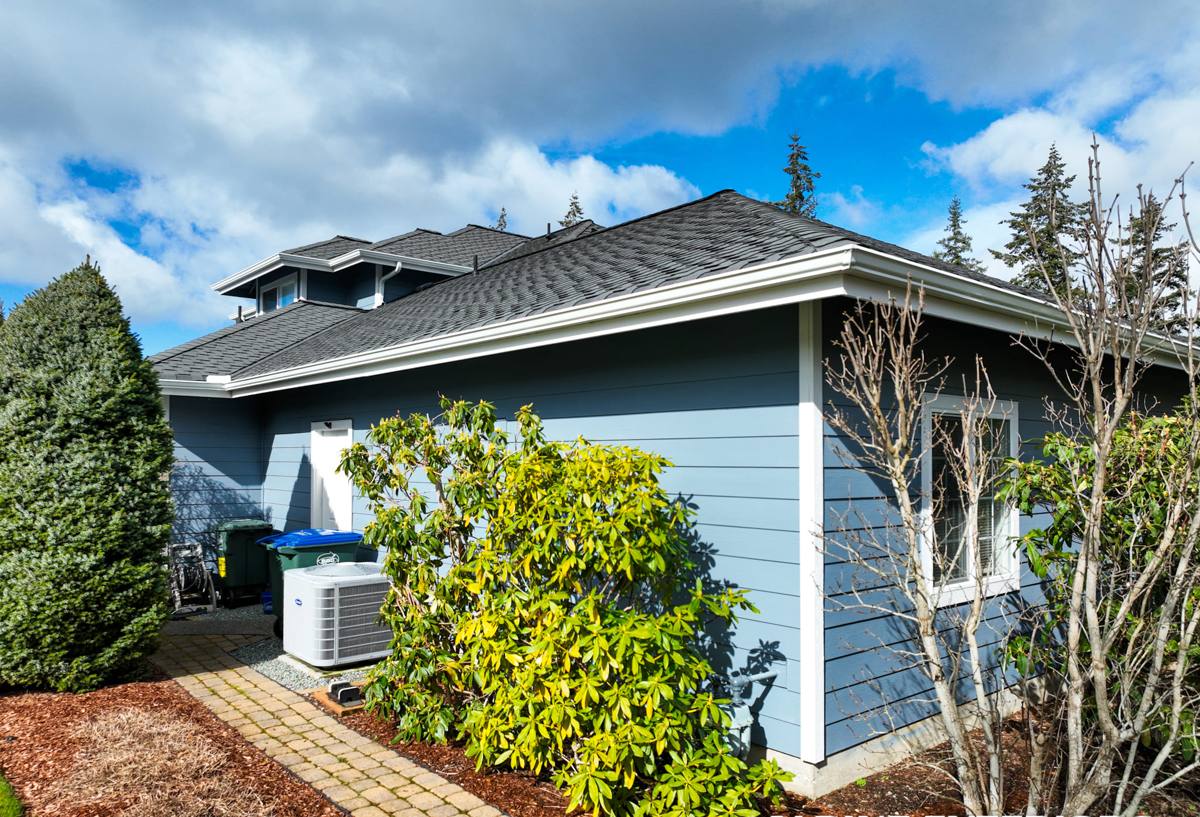
What a Proper New Roof Installation Actually Involves
A new roof is more than shingles nailed to plywood. It's a layered system, and every layer has a job to do against wind, heat, and water.
The Layers That Matter
- Deck inspection and repair — plywood or OSB sheathing gets checked for soft spots, delamination, and nail pull-through before anything new goes down.
- Ice and water shield or synthetic underlayment — a water-resistant barrier across the whole deck, with extra layers at valleys, eaves, and penetrations where wind-driven rain finds its way in.
- Starter strips and drip edge — the first line of defense against wind getting under the roof edge, which is where most storm failures actually start.
- Field material — shingles, tile, or metal panels installed to the fastening pattern the manufacturer and Florida Building Code require, not the minimum that happens to hold on a calm day.
- Flashing at every penetration — chimneys, vent stacks, skylights, and wall intersections, sealed and lapped correctly so water sheds instead of pooling.
- Ventilation — ridge and soffit venting that lets heat escape the attic instead of cooking the deck and shingles from underneath.
Skip or shortcut any one of these and the roof might look fine for a year or two, but the failure point is already built in.
Roofing Material Options for Temple Terrace Homes
There's no single "best" material for every house — it depends on your roof's pitch, your home's structure, your budget, and how long you plan to stay in the house. Here's how the common options actually compare under this region's conditions.
| Material | Wind Performance | Heat/UV Behavior | Typical Lifespan | Maintenance |
|---|---|---|---|---|
| Architectural asphalt shingles | Good when installed with correct nailing pattern and high wind-rated product | Reflective granule options help; dark colors run hotter | 20–30 years | Low; periodic inspection after storms |
| Standing seam metal | Excellent; among the highest wind uplift ratings available | Reflects heat well, especially in lighter finishes | 40–60 years | Very low; check fasteners and sealant at penetrations |
| Concrete or clay tile | Very good when properly fastened; heavy, which adds inertia against wind | Naturally heat-resistant mass; performs well in direct sun | 40–50 years | Moderate; occasional broken-tile replacement, underlayment is the wear point |
Whichever material a homeowner chooses, the underlayment and fastening details usually matter more to long-term performance than the surface material itself. We'll walk through the honest trade-offs of each option for your specific roof rather than pushing whatever is easiest to install.
How Our Installation Process Works
Step by Step
- On-site inspection — we walk the roof, check the attic, and assess the deck before quoting anything.
- Written estimate — material options, scope of work, and timeline laid out clearly, no pressure to decide on the spot.
- Permitting — pulled through Hillsborough County or the City of Temple Terrace as applicable, before work begins.
- Tear-off and deck inspection — old roofing removed, deck checked and repaired where needed.
- Underlayment and flashing — installed to code minimums or better, with extra attention at valleys and penetrations.
- Field material installation — shingles, tile, or metal installed to the wind-rated fastening spec for the product.
- Final walkthrough and inspection — county inspection scheduled, plus our own final check with the homeowner.
We keep the property protected and cleaned up throughout — magnetic nail sweeps, tarped landscaping, and a job site that doesn't look like a demolition zone at the end of each day.
Permits, Wind Ratings, and Local Code Requirements
Roofing in Hillsborough County isn't a handshake job — it's governed by the Florida Building Code, which sets minimum wind-uplift resistance, fastening patterns, and underlayment requirements specifically because this part of the state deals with hurricane-force wind events. A permit isn't paperwork for its own sake; it means a county inspector independently verifies the deck, underlayment, and fastening before the roof is closed up and signed off.
Homeowners should also know that a properly documented, code-compliant installation is what makes a wind mitigation inspection worthwhile later — insurance carriers in Florida offer real premium credits for verified roof age, shape, and fastening details, but only if the installation was done and documented correctly in the first place.
Questions Worth Asking Any Roofing Contractor Here
- Will you pull the permit yourself, or is that left to me?
- What wind-rated fastening pattern will you actually use, not just what the product is rated for?
- Who inspects the deck before new underlayment goes down?
- What happens if the county inspector requires a correction?
- Is the ventilation system being upgraded or just replaced as-is?
Signs Your Temple Terrace Home Needs Replacement, Not Repair
Not every roof problem calls for a full tear-off. But there's a point where patching stops being cost-effective and starts hiding bigger issues underneath. Watch for:
- Shingles that are cupping, curling, or losing granules in large patches rather than isolated spots
- Soft or spongy spots when walking the roof, which usually means deck damage underneath
- Daylight visible through the attic roof boards
- Repeated leaks in different locations after past repairs
- A roof approaching or past 20–25 years old with no major work done
- Visible sagging along the roofline
- Granules collecting heavily in gutters after every rain
If you're only seeing one or two of these, a repair may genuinely be the right call — we'll tell you that instead of talking you into a full replacement you don't need yet.
What Drives the Cost of a New Roof
Exact pricing depends on your specific roof, but the main variables that move the number are consistent from job to job:
- Roof size and pitch — steeper roofs take longer and require more safety equipment to work safely.
- Material choice — asphalt shingles are typically the most budget-friendly; metal and tile cost more upfront but last considerably longer.
- Deck condition — plywood replacement adds cost but isn't optional if the existing deck is compromised.
- Number of penetrations and roof planes — more valleys, vents, and chimneys mean more flashing work.
- Layers of existing roofing to remove — a second or third tear-off layer adds labor and disposal cost.
We give straightforward, itemized estimates so you can see exactly where the cost is going, rather than a single lump number with no explanation behind it.
Why a Crew That Already Works Temple Terrace Matters
A roofing crew that regularly works Temple Terrace and the greater Tampa area already knows the permitting process with Hillsborough County and the City of Temple Terrace, already understands which wind-rated products actually hold up locally versus on paper, and isn't learning the region's climate on your roof for the first time. That familiarity shows up in fewer surprises during permitting, fewer callbacks after the first big storm, and a crew that can speak plainly about what your specific home needs instead of running a generic sales pitch.
It also means accountability. A local, established crew has a reputation in this community to protect — that's a different incentive structure than an out-of-town storm-chasing outfit that's gone before the first hard rain tests their work.
Get a Straightforward Estimate
If your Temple Terrace home's roof is showing its age or you just want a second, honest opinion before making a decision, we're happy to take a look. The estimate is free, there's no pressure, and you'll get a clear explanation of what your roof actually needs — use the form below to get started.