 Tampa Siding
 Siding Replacement in Town 'n' Country: What Local Homes Are Up Against
Town 'n' Country sits in unincorporated Hillsborough County, wedged between Tampa proper and the Gulf-facing suburbs, and its housing stock reflects decades of growth — ranch homes from the 1960s and '70s, ranch-to-contemporary remodels from the '80s and '90s, and newer infill construction. What almost all of them share is exterior siding that's been fighting the same fight for years: Tampa Bay's heat, humidity, wind, and rain don't take a season off. Whether your home currently has old aluminum siding, weathered wood, worn vinyl, or fiber cement that's reaching the end of its service life, a siding replacement here isn't just a cosmetic refresh. Done right, it's a structural and moisture-management upgrade that determines how well your walls hold up for the next 30 years.
This page focuses specifically on siding replacement for homes in and around Town 'n' Country — what the climate demands, what a correct job looks like, how we approach it, and why working with a crew that already knows this part of Hillsborough County makes a real difference.
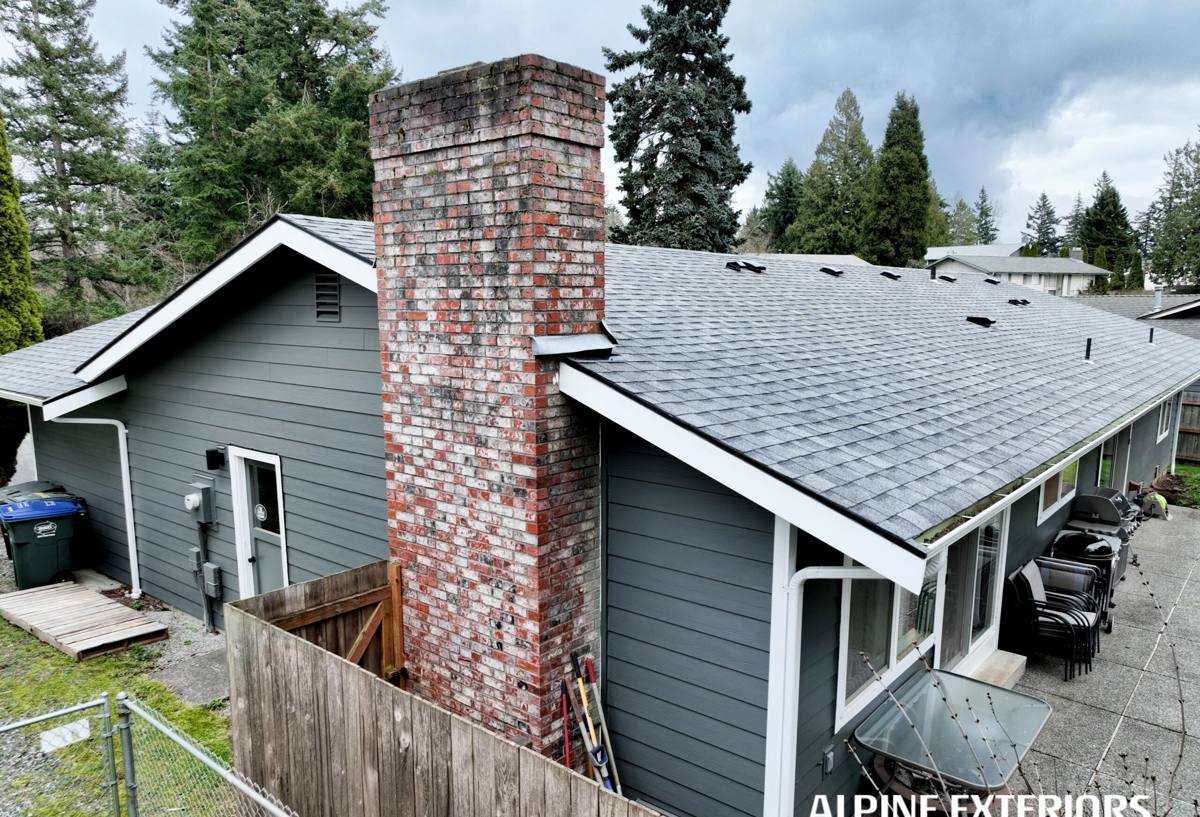
How Tampa's Climate Wears Down Siding
Siding failure in this area rarely happens because of one dramatic event. It's usually the slow, compounding effect of four things acting on your walls year-round.
Intense, Year-Round UV Exposure
Florida's sun angle and long daylight hours mean siding here takes far more cumulative UV exposure than siding in most of the country. Cheap paint finishes chalk, fade, and crack under that load. Substrates that aren't UV-stable can become brittle over time, which is part of why factory-applied, UV-resistant finishes matter so much more here than in milder climates.
Wind-Driven Rain and Humidity
Tampa Bay's humid subtropical climate means siding isn't just getting rained on — it's absorbing moisture from the air itself for much of the year, then drying out, then absorbing again. Add wind-driven rain during storms, which pushes water sideways and upward into laps and seams that were never designed to handle it, and you have a constant moisture cycle that any siding material and installation has to be engineered to survive.
Hurricane-Force Wind
Hillsborough County sits well within Florida's hurricane exposure zone, and even in years without a direct hit, tropical systems and seasonal storms routinely bring sustained high winds and gusts to this part of the state. Siding that isn't fastened to spec, or that relies on interlocking panels rather than true mechanical attachment, is the first thing to peel, crack, or blow off in a bad storm.
Salt Air
Town 'n' Country isn't beachfront, but it's close enough to Tampa Bay and the Gulf that salt-laden air still reaches inland neighborhoods, especially with onshore winds. Salt exposure accelerates corrosion of fasteners and metal components and adds to the general wear on any siding surface. It's a factor local homes deal with that inland Florida homes further from the coast simply don't.
Signs Your Town 'n' Country Home Needs New Siding
Some of these are obvious. Others show up as smaller symptoms first — knowing what to look for can save you from a much bigger repair later.
- Visible cracking, buckling, or warping, especially on south- and west-facing walls that take the most sun
- Soft or spongy spots when you press on the siding, which usually means moisture has reached the wall sheathing underneath
- Paint that's peeling, bubbling, or chalking heavily even a year or two after a repaint
- Gaps opening up at seams, corners, or around window and door trim
- Visible fastener corrosion or rust streaks bleeding down the wall
- Rising cooling bills that can't be explained by anything else, which can point to compromised insulation behind failing siding
- Mold, mildew, or a persistent musty smell along interior walls that back up to exterior siding
- Siding that's simply outdated for the material's expected lifespan — old aluminum or original-build wood siding on a home built decades ago is worth a serious look regardless of how it appears from the curb
What a Correct Siding Replacement Job Actually Involves
Siding replacement is not just pulling off old panels and nailing up new ones. In a climate like Tampa's, what happens underneath the visible siding matters as much as the siding itself.
Full Tear-Off and Wall Inspection
We remove the existing siding completely rather than installing over it. That's the only way to actually see what's going on with the sheathing underneath — rot, old water damage, insect activity, or framing issues that need to be addressed before anything new goes up. Covering over a problem just hides it until it's worse and more expensive.
Moisture Barrier and Weather-Resistive Wrap
Given how much moisture cycling this area's siding endures, a properly installed weather-resistive barrier behind the new siding is non-negotiable. It's the layer that manages incidental moisture that gets past the siding surface and keeps it from reaching your wall sheathing and framing.
Flashing at Every Vulnerable Point
Windows, doors, corners, and roof-to-wall intersections are where wind-driven rain finds its way in. Correct flashing at these transitions is one of the most commonly rushed or skipped details in low-quality siding jobs, and it's usually where failures start.
Fastening to Wind-Load Requirements
Given Hillsborough County's wind exposure, siding needs to be fastened according to the manufacturer's specifications for the applicable wind zone — correct fastener type, spacing, and penetration into structural framing, not just the sheathing. This is a detail that's easy to shortcut and hard to catch after the fact, which is exactly why it matters who's on the ladder.
Trim, Caulking, and Finish Work
The last stage is where a job either looks factory-finished or looks like a patch job. Clean trim lines, correctly caulked joints where the manufacturer calls for it, and a consistent reveal across every course are what separate a professional installation from one that just "gets it up on the wall."
Why We Install James Hardie Fiber Cement in Town 'n' Country
We install James Hardie fiber cement siding exclusively — we don't install vinyl, LP SmartSide, or other fiber cement brands. That's a deliberate standard, not a sales preference, and it's especially relevant in a climate like this one.
Vinyl siding is lightweight and affordable, but it softens and can warp under sustained heat, and it relies largely on interlocking panels rather than the kind of direct mechanical fastening that holds up best in high-wind events. Wood siding looks good initially but requires constant maintenance to fight moisture and insects in a humid climate, and it's combustible. Other fiber cement brands may look similar to Hardie on a spec sheet, but Hardie's HZ5 product line is specifically engineered for Florida's climate zone — resistance to moisture-related damage, a factory-applied ColorPlus finish that's baked on rather than field-painted, and a track record in exactly the conditions Town 'n' Country deals with every year.
| Factor | What Matters in This Climate | Why Hardie HZ5 Fits |
|---|---|---|
| Heat & UV | Long, intense sun exposure fades and degrades weak finishes | Factory-baked ColorPlus finish resists fading better than field-applied paint |
| Humidity & moisture cycling | Constant absorb/dry cycles stress the material | Fiber cement doesn't warp, rot, or attract insects |
| Hurricane wind | Siding needs to stay mechanically fastened under gusts | Rated and installed to wind-zone fastening specs, not just interlocked |
| Fire exposure | Non-combustible material is a real safety consideration | Fiber cement is non-combustible by composition |
Our Process, Start to Finish
Every siding replacement follows the same disciplined sequence, regardless of how small or large the job is:
- On-site assessment — we walk the exterior, check for moisture damage, and evaluate what's driving the need for replacement
- Written estimate — clear scope, product selection, and pricing before any work starts, no surprise change orders for things we could have caught up front
- Permitting — pulled through Hillsborough County as required for the scope of work
- Tear-off and substrate inspection — old siding removed, sheathing checked and repaired where needed
- Weather barrier and flashing installation — the moisture-management layer goes in before a single piece of new siding
- Hardie siding installation — installed and fastened to manufacturer spec for this wind zone
- Trim, caulking, and finish detail — the work that makes it look right up close, not just from the street
- Final walkthrough — we go over the finished job with you before calling it done
Why a Local Town 'n' Country Crew Matters
Siding installation quality comes down to details that a crew either knows to handle correctly or doesn't. A crew that regularly works this part of Hillsborough County already understands the wind-load fastening requirements that apply here, has pulled permits through the county before, and has seen firsthand how this area's mix of home ages and construction styles behaves once you open up the walls. That's different from a crew learning Tampa's climate and code requirements on your house.
There's also a practical side to hiring local: response time. If a punch-list item needs attention after the job, or you want a quick look at something a few years down the road, a crew based near Town 'n' Country isn't a multi-hour round trip away.
What Affects the Cost of Siding Replacement
Every home is different, so we don't publish flat prices — but the main cost drivers are consistent from job to job. Understanding them helps you get an accurate, apples-to-apples estimate.
| Factor | How It Affects Cost |
|---|---|
| Home size and wall complexity | More square footage and more corners, gables, and trim details mean more labor and material |
| Substrate condition | Rot or water damage found during tear-off adds repair work before new siding can go up |
| Siding profile chosen | Lap siding, shingle-style, and panel systems differ in material and installation labor |
| Trim and accessory scope | Full trim replacement costs more than reusing sound existing trim where appropriate |
| Story height and access | Two-story walls and difficult access points take longer and require more equipment |
| Color and finish selection | Standard ColorPlus colors versus custom finish options can shift material cost |
What to Ask Before You Hire
Not every contractor offering siding replacement in the Tampa area installs the same way. A short checklist to protect yourself:
- Are they licensed and insured to work in Hillsborough County?
- Do they pull permits, or do they suggest skipping that step?
- Will they remove the old siding fully and inspect the substrate, or install over the existing wall?
- What weather-resistive barrier and flashing details do they use, specifically?
- Can they explain how their fastening approach meets wind-zone requirements for this area?
- Is the estimate written and itemized, or a vague verbal number?
If your Town 'n' Country home's siding is showing its age or you're just planning ahead, we're happy to take a look and walk you through what we'd recommend. The estimate is free, there's no pressure, and you'll get a straight answer about what your home actually needs — just fill out the form below to get started.