 Tampa Siding
 Composite Decking Built for How Valrico Actually Lives Outside
Valrico sits inland from Tampa Bay in Hillsborough County, but "inland" doesn't mean easy on a deck. Homes here still take a full year of Gulf Coast humidity, intense sun, and the wind and rain that come with a long hurricane season. A deck that looks great going in but wasn't built for that combination will show it within a few years — fading unevenly, warping at the edges, fasteners working loose, or a substructure that never should have passed inspection in the first place.
We install composite decking for homeowners throughout the Tampa area, including Valrico, and we build every deck around this region's weather rather than around a generic install sheet written for a cooler, drier climate. That distinction shows up in the framing choices, the fasteners, and the small details most homeowners never see until something goes wrong.
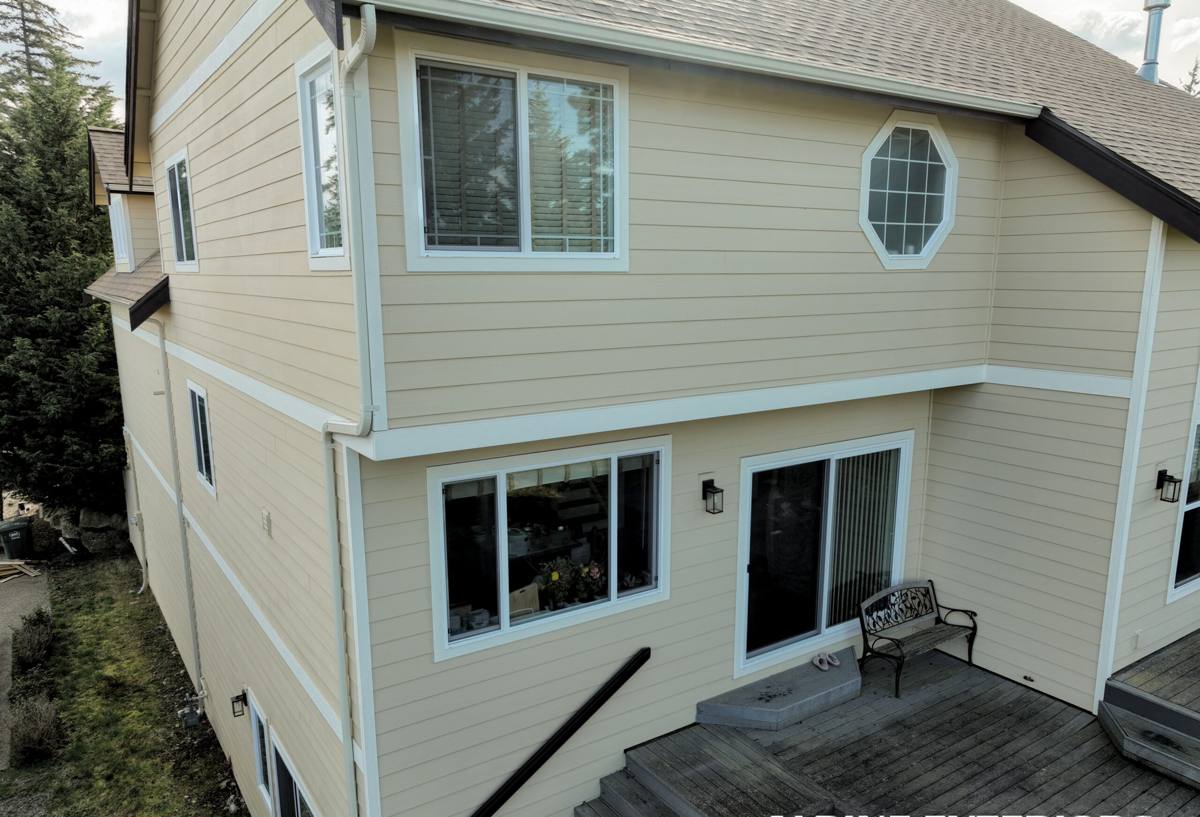
What Tampa Bay Weather Does to a Deck
UV and Heat
Florida sun is intense and constant, not seasonal the way it is in much of the country. Cheaper composite boards and unprotected wood both take a beating from it — color fades unevenly depending on sun exposure across the deck, and lower-grade composite can get noticeably hot underfoot on a summer afternoon. Better composite formulations use UV-stabilized capping and lighter, heat-reflective color options that hold up better through a Florida summer than darker, uncapped boards.
Wind-Driven Rain and Humidity
Hillsborough County doesn't get a real dry season. Constant humidity and frequent wind-driven rain mean any decking material that isn't fully sealed against moisture will eventually take on water somewhere — at a cut end, a fastener hole, or wherever the cap layer gets compromised. That moisture doesn't just sit on top of the board; it works into fastener holes, joist connections, and ledger attachments if those details weren't sealed correctly during the original build.
Wind Loads and Storm Season
Valrico isn't a beachfront community, but it's still squarely inside a hurricane-prone region, and tropical systems bring real straight-line wind loads well away from the coastline. A deck's railing posts, ledger connection to the house, and joist hangers all need to be installed to hold up under those loads, not just look solid on a calm day.
Salt Air — A Smaller but Real Factor
Because Valrico sits farther from Tampa Bay than waterfront neighborhoods, salt air corrosion isn't as aggressive here as it is closer to the water. It's still part of the region's environment, though, and it's one more reason we spec stainless or coated fasteners and hardware rated for coastal-adjacent exposure rather than whatever hardware happens to be cheapest.
What a Correct Composite Deck Build Involves
Framing and Ledger Attachment
The framing is what actually holds a deck together long-term — the composite boards are just the surface. We use pressure-treated framing lumber, flash the ledger board where it attaches to the house so water can't work its way behind the siding, and set joist spacing to match the manufacturer's specification for the specific board profile being installed, not a generic spacing that may not be rated for that product.
Fasteners, Railings, and Stairs
Hidden fastener clip systems give a cleaner look than face-screwing, but they have to be installed at the correct spacing with the hardware the manufacturer specifies — substituting cheaper clips or screws is one of the most common ways a composite deck fails early. Railing posts need solid blocking behind them, not just a screw into a fascia board, and stair stringers need to be sized for the actual rise and run rather than eyeballed. We use stainless steel or coated fasteners throughout, since standard galvanized hardware corrodes faster in this humidity.
Ventilation and Drainage
Composite boards need airflow underneath to manage humidity and keep moisture from getting trapped against the framing. We keep deck height and joist spacing set up for proper drainage and airflow, and if a homeowner wants the underside skirted in, we make sure ventilation is still adequate — skipping that step traps moisture against pressure-treated framing year-round in this climate.
Composite vs. Other Decking Materials for This Climate
Every decking material involves trade-offs. Here's how the main options compare for a Hillsborough County home:
| Material | Maintenance | Moisture Behavior | Typical Lifespan Here | Upfront Cost |
|---|---|---|---|---|
| Composite (capped) | Occasional wash-down | Resists rot; won't warp or splinter | 25-30+ years | Higher |
| Pressure-treated wood | Annual sealing/staining | Prone to warping, splitting, rot over time | 10-15 years | Lowest |
| PVC/vinyl decking | Low | Fully moisture-proof | 25-30+ years | Highest |
We install composite decking as our standard recommendation for most Valrico homeowners because it strikes the best balance for this climate: it doesn't rot or splinter the way wood does under constant humidity, it costs less than full PVC systems, and modern capped boards hold their color and resist mold better than older composite generations did. Pressure-treated wood is a legitimate lower-cost option, but it demands yearly maintenance to hold up against Florida sun and rain — a commitment that's easy to fall behind on once the deck is a few years old. We'll walk you through that trade-off honestly rather than steer you toward whichever product happens to have the better margin.
Permits and Codes for Deck Work in Hillsborough County
Valrico is unincorporated Hillsborough County, so deck permitting and inspections go through the county, not a city building department. Most new deck construction and many deck replacements require a permit, a framing inspection before the decking goes down, and a final inspection once railings and stairs are complete. Requirements around ledger attachment, guardrail height, baluster spacing, and stair rise-and-run are all things an inspector checks — they exist because they matter for a structure that has to hold up under load and weather, not because of red tape. We handle the permitting and schedule inspections as part of the job, so you're not the one tracking down the county over a framing inspection.
Our Process, Start to Finish
- On-site visit — We look at the existing deck or build site, take measurements, and talk through board style, color, and railing options.
- Written estimate — A clear, itemized quote so you know what's included before any work starts.
- Permit and planning — We pull the necessary Hillsborough County permit and schedule the work around inspection timing.
- Demo, if replacing a deck — Removal of the old structure and an honest look at the ledger and framing underneath before anything new goes up.
- Framing — Pressure-treated substructure built to the board manufacturer's spacing and load requirements, with the ledger properly flashed.
- Decking and railing installation — Boards, fascia, stairs, and railing installed with the fastener system that board line calls for.
- Inspection and walkthrough — Final county inspection, then a walkthrough with you before we call the job done.
Maintenance Checklist for Valrico Homeowners
Composite decking is low-maintenance, not no-maintenance. A few habits keep a deck looking and performing the way it should through Florida's weather:
- Rinse and sweep the deck surface every few months to clear pollen, mold spores, and organic debris before they stain the cap layer
- Wash with a soft-bristle brush and mild soap a couple of times a year — avoid pressure washers set too high, which can damage the cap surface
- Check railing posts and stair connections annually for any looseness, especially after a named storm passes through the area
- Keep gutters and downspouts clear so runoff isn't dumping extra water directly onto or under the deck
- Trim back nearby vegetation so leaves and debris aren't collecting between boards or under railings
- Confirm ventilation underneath the deck hasn't been blocked by added skirting, storage, or landscaping changes
Why a Crew That Already Works in Valrico Matters
A lot of what makes a deck hold up here isn't exotic — it's getting the ordinary details right, consistently, for this specific climate. A crew that regularly works in Valrico and the surrounding Hillsborough County area already knows the county's permitting process, already specs fasteners and hardware for this humidity and storm exposure, and has seen firsthand what happens to decks that were built to a lowest-cost spec instead of a Florida-appropriate one. That's less guesswork on your project, fewer surprises at inspection, and a deck that's still solid well after the first few Tampa summers and storm seasons have gone by.
If you're weighing a new deck or replacing an aging one in Valrico, we're glad to take a look and walk you through your options. Use the form below to request a free, no-pressure estimate — we'll come out, look at your space, and give you a straight answer on what a correctly built composite deck would involve for your home.