 Tampa Siding
 Building Decks That Actually Hold Up in Wesley Chapel
Wesley Chapel sits just north of Tampa, in the fast-growing corridor along State Road 56 and I-75, where new subdivisions and older established neighborhoods sit side by side. A lot of the homes here are relatively young, which means a lot of the original builder-grade decks and patios are now hitting the age where wood starts to soften, fasteners start to rust, and railings start to wobble. Whether you're adding a deck for the first time or replacing one that's past its prime, the build has to account for what this climate actually does to outdoor structures — not just what looks good on install day.
Between the intense year-round UV, the sudden wind-driven downpours that show up most afternoons in summer, and the tropical storm and hurricane-force wind events that are a normal part of life in this part of Florida, an outdoor deck takes a beating that most other regions of the country never have to design around. A deck built with the wrong hardware, undersized footings, or the wrong wood grade might look fine for a year or two and then start showing problems that are expensive to fix after the fact.
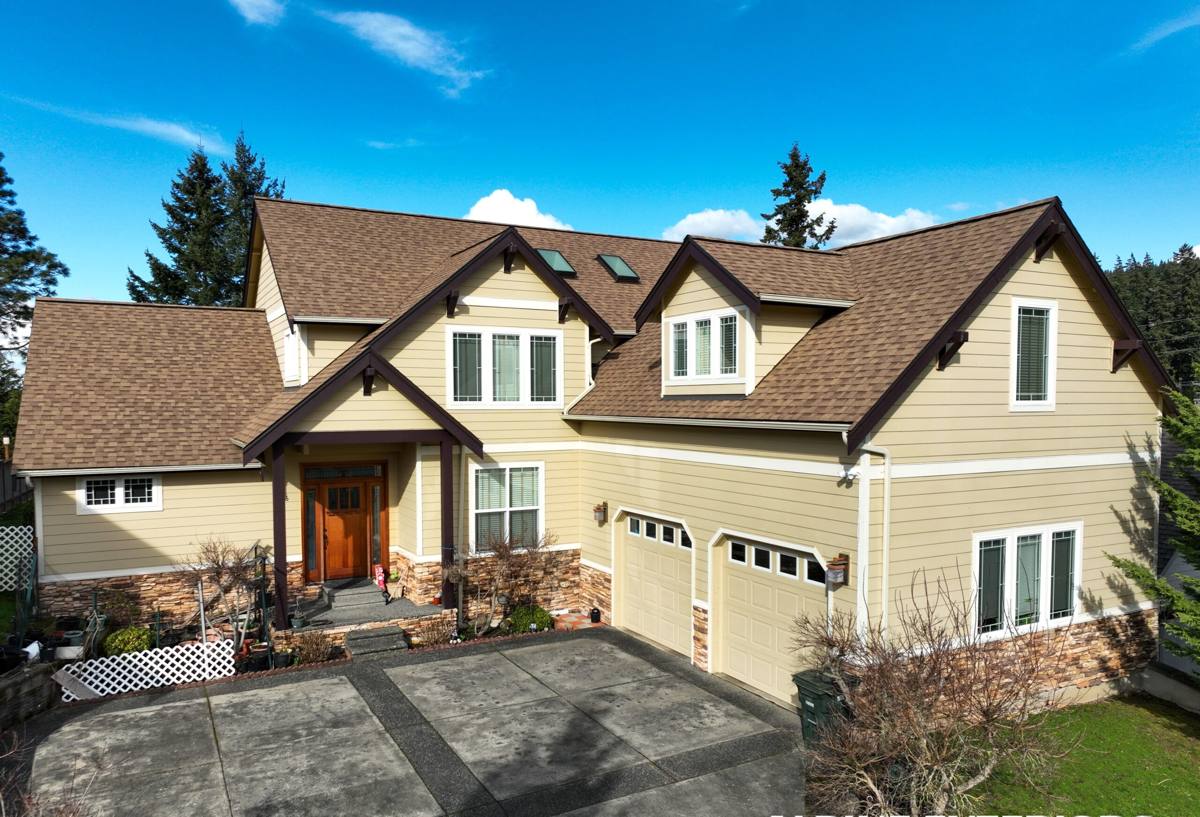
What Wesley Chapel's Climate Demands From a Deck
UV and Heat
Florida sun is harder on exposed materials than most homeowners expect. Untreated or poorly sealed wood grays and cracks quickly, composite decking can fade unevenly if it's a lower-grade product, and dark-colored surfaces get hot enough underfoot to matter for bare feet and pets. Material choice and finish both need to account for constant sun exposure, not occasional exposure.
Wind-Driven Rain and Humidity
Frequent afternoon storms mean a deck surface is rarely bone dry for long. Water gets driven sideways into railings, ledger connections, and any horizontal surface where it can pool. Framing and fastening choices need to shed water and resist the swelling, splitting, and slow rot that comes from repeated wet-dry cycles — not just handle rain falling straight down.
Hurricane and High-Wind Loads
Florida Building Code exists because this state gets hit with real wind events, and Hillsborough County's permitting requirements reflect that. A deck attached to the house is effectively an extension of the structure — if it's not properly ledger-flashed and fastened, it can pull away from the house or rack under wind load. Freestanding decks need footings and post connections sized for uplift and lateral force, not just the static weight of people standing on them.
Salt Air Influence
Wesley Chapel is inland compared to the immediate coast, but Tampa Bay's salt-laden air still travels with onshore winds, and it accelerates corrosion on the cheap fasteners and connectors that sometimes get used to cut costs. Hardware that isn't rated for coastal or near-coastal exposure will rust and weaken years before the wood or composite around it fails.
Choosing the Right Decking Material
There's no single "best" decking material for every home — the right choice depends on budget, how much upkeep you're willing to do, and how the deck will be used. Here's how the common options actually compare for this climate:
| Material | Upfront Cost | Maintenance | How It Handles This Climate |
|---|---|---|---|
| Pressure-treated pine | Lowest | Needs sealing/staining every 1-2 years | Good structurally when properly treated and fastened, but most prone to sun graying, splintering, and moisture movement without upkeep |
| Tropical hardwood (e.g., ipe-style) | Highest | Periodic oiling to maintain color, otherwise very durable | Naturally dense and rot-resistant, holds up well to heat and moisture, but requires correct fasteners since it's hard on standard screws |
| Composite decking | Mid-high | Occasional washing, no sealing/staining | Resists rot and splintering well; quality varies a lot by brand, and cheaper composites can fade or flake at board edges over time |
| PVC/vinyl decking | High | Lowest — mostly just washing | Fully synthetic, doesn't absorb moisture, handles UV and humidity well, but has a distinct look and feel some homeowners don't prefer |
We'll walk through these trade-offs honestly during your estimate. There's rarely a wrong answer, just a right answer for your budget and how long you want to go between maintenance days.
What a Properly Built Deck Actually Involves
The decking boards are the part everyone sees, but the structure underneath is what determines whether the deck is safe and long-lasting. A correct build includes:
- Footings sized and set to depth for the load and local soil conditions, not just poured to a minimum guess
- Ledger board flashing where the deck attaches to the house, so water is directed away from the structure instead of into the rim joist and wall sheathing
- Hurricane ties and joist hangers rated for the connection they're used on, sized for wind uplift as required by code
- Stainless steel or coated fasteners matched to the decking material to avoid galvanic corrosion and staining
- Proper board spacing to allow drainage and material expansion without cupping or buckling
- Railing and post connections built to code minimum height and load requirements, not just what looks sturdy
Skipping any one of these doesn't usually show up as a problem right away — it shows up two, three, or five years later as a soft spot, a rusted-through hanger, or a railing that flexes more than it should.
Permits, Code, and HOA Approval
Most attached and elevated decks require a building permit, inspection at footing/framing stage, and a final inspection before the project is closed out. Wesley Chapel spans the Pasco and Hillsborough county line depending on the specific neighborhood, so the permitting authority and exact requirements can differ by a few streets — we confirm jurisdiction and pull the correct permit before work starts rather than assuming.
Many Wesley Chapel neighborhoods are also part of planned communities with an HOA or architectural review process. Deck height, color, and railing style sometimes need sign-off before construction. We can help you put together what's needed for that submission, but the approval itself comes from your HOA, not from us — building that lead time into the schedule up front avoids delays later.
Our Process for a Wesley Chapel Deck Build
- On-site assessment — we look at grade, drainage, sun exposure, and how the deck will attach to (or sit independent of) the house
- Design and material selection — sizing, layout, railing style, and material chosen around your budget and maintenance preference
- Permit submission — plans drawn to code and submitted to the correct county or municipal office
- Footings and framing — structural work inspected before decking goes down, not after
- Decking, railing, and finish work — installed with fasteners and hardware matched to the material and this climate
- Final walkthrough — we go over the finished deck with you, including what maintenance (if any) it needs going forward
What Drives the Cost of a Custom Deck
Every deck is priced around its own specifics, but these are the factors that move the number most:
| Factor | Why It Matters |
|---|---|
| Square footage | The most direct driver of material and labor cost |
| Decking material | Pressure-treated, composite, PVC, and hardwood all carry different material costs per square foot |
| Height off the ground | Elevated decks need taller posts, more bracing, and often stairs — all add cost |
| Attached vs. freestanding | Attached decks need ledger flashing work; freestanding decks need more footings |
| Railing style | Basic wood or metal balusters cost less than glass panels or cable railing systems |
| Site access and grade | Sloped lots or tight side-yard access can add labor time |
| Permit and engineering needs | Larger or more complex decks may need engineered plans, which adds to the design cost |
We'll give you a written, itemized estimate so you can see exactly what you're paying for and where — no vague lump-sum numbers.
Maintenance by Material: A Practical Checklist
Whatever material you choose, a little seasonal attention goes a long way in this climate:
- Rinse debris and pollen out of board gaps a few times a year so water can keep draining properly
- Check fastener heads and connectors annually for rust staining or looseness, especially after storm season
- Reseal or re-stain pressure-treated wood roughly every 1-2 years, sooner if the surface starts graying
- Oil hardwood decking periodically if you want to maintain its original color rather than let it silver naturally
- Wash composite or PVC decking with soap and water to prevent pollen and mildew buildup on the surface
- Trim back landscaping that shades or holds moisture against the deck's underside
- Inspect railings and stair connections for movement before hosting anything that puts extra weight on them
Why It Matters to Hire a Crew That Already Works This Area
A deck built by a crew that regularly works in Wesley Chapel and the surrounding Tampa Bay area already knows which fastener grades hold up here, how the local permitting offices want plans submitted, and what soil and drainage conditions typically show up on lots in this part of Hillsborough and Pasco County. That familiarity shortens the permitting process, avoids rework from failed inspections, and means the materials going into your deck are chosen with this specific climate in mind — not a generic national spec sheet.
If you're planning a new deck or need to replace one that's showing its age, we're happy to come take a look and talk through honest options for your home. Reach out for a free, no-pressure estimate using the form below.