 Tampa Siding
 Westchase Homes Face a Specific Kind of Wear
Westchase sits inland from Tampa Bay but still takes a beating from the same weather that batters the coastline. Hurricane-force winds test every fastener and seam in a siding system. Year-round UV exposure fades and breaks down materials that aren't built to handle Florida sun. Wind-driven rain finds any gap in flashing or house wrap and pushes moisture behind the cladding. And even this far from the water, salt air carried on Gulf breezes accelerates corrosion on fasteners, trim, and hardware that isn't rated for it. None of this is unique to any one street in Westchase — it's the baseline every home in this part of Hillsborough County has to survive, year after year.
The problem is that a lot of siding gets installed to a national average spec, not a Tampa-area spec. A product or installation method that holds up fine in a mild climate can fail here in five to ten years instead of thirty. That gap between "installed" and "installed correctly for this climate" is where most siding failures actually start.
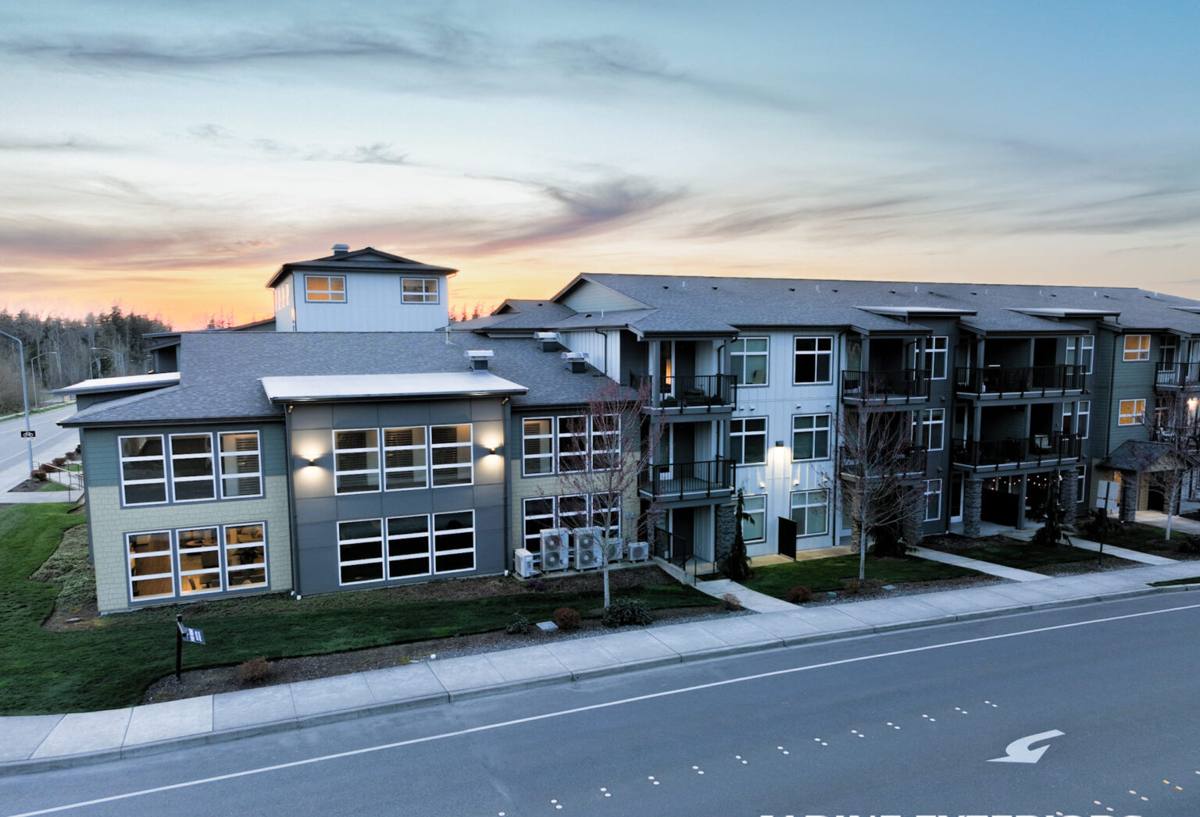
What Correct Siding Installation Actually Involves
Siding is a system, not a single layer. The visible boards get all the attention, but the parts nobody sees are what determine whether a home stays dry and intact through hurricane season after hurricane season.
Water Management Comes First
Before a single board goes up, the wall needs a continuous water-resistive barrier, properly lapped and taped at every seam, with flashing integrated at windows, doors, and any penetration. Wind-driven rain doesn't fall straight down — it gets pushed sideways and upward under eaves and around corners. If the drainage plane behind the siding isn't continuous, water gets in and the siding itself becomes irrelevant. This step is invisible once the job is done, which is exactly why it's the step that gets rushed on lower-bid jobs.
Fastening and Nailing Patterns Matter More Than People Think
Fiber cement siding has a manufacturer-specified nailing pattern, fastener type, and penetration depth for a reason — it's engineered to hold up in specific wind-load conditions. Overdriven nails crack the board's fiber-cement face. Underdriven nails leave the board loose and rattling in high wind, which stresses the fastener holes over time. Using the wrong fastener material invites corrosion, especially with salt air in the mix. None of this shows up as a problem on day one. It shows up two or three storms later.
Clearances and Expansion Gaps
Siding needs proper clearance from the roofline, decks, and grade, along with correct expansion gaps at butt joints and trim. Get these wrong and you get moisture wicking, paint failure, and swelling at the exact points where boards meet — usually the first places a homeowner notices something's off.
Why We Install Only James Hardie Fiber Cement
We made a deliberate decision to install one product line: James Hardie fiber cement siding. We don't install vinyl, LP SmartSide, Cemplank, Allura, or wood siding, and we're upfront about why. Vinyl softens and can warp under sustained Florida sun and heat, and it's more vulnerable in high wind because of how it's engineered to hang rather than fasten rigidly. Wood and engineered wood products require a level of ongoing maintenance and moisture vigilance that most homeowners don't want to sign up for in a climate this humid. Fiber cement alternatives to Hardie exist, but Hardie's factory finish system, manufacturing consistency, and track record in Florida specifically are what convinced us to standardize on it rather than offer a menu of options.
HZ5 Engineering for Florida's Climate
James Hardie engineers its siding in different formulations for different climate zones, and Hillsborough County falls in the HZ5 zone — the version built specifically to resist moisture, humidity, and pest exposure typical of the Gulf Coast. It's non-combustible fiber cement, which matters for both wind-borne ember exposure during wildfire season and general fire safety. The ColorPlus factory-applied finish is baked on under controlled conditions, which gives it a more consistent, UV-resistant finish than field-applied paint — a real advantage under Tampa's sun exposure. That combination of engineering-for-zone and factory finish is why we don't treat Hardie as "just another siding option."
Our Installation Process
The process doesn't change because a home is in Westchase specifically, but the details we check do — soffit and fascia condition, existing wall sheathing, drainage around the foundation, and any storm damage history all shape the job before installation starts.
- Inspection and assessment: We evaluate the existing siding, sheathing, and moisture barrier condition, and check for any rot or damage hidden behind the current cladding.
- Tear-off and substrate prep: Old siding comes off, sheathing is inspected and repaired as needed, and any compromised framing is addressed before anything new goes up.
- Water-resistive barrier and flashing: A continuous, properly lapped barrier goes on with integrated flashing at every window, door, and penetration.
- Hardie installation to manufacturer spec: Correct fastener type, spacing, nailing pattern, and clearances, following James Hardie's published installation requirements for our climate zone.
- Trim, caulking, and finish detail: Joints, corners, and trim are sealed and finished so water has no path in.
- Final walkthrough: We review the completed job with the homeowner before calling it done.
Comparing Siding Options for a Home Like Yours
Homeowners researching siding for a Westchase property usually come across the same handful of materials. Here's an honest comparison of how they hold up against the specific conditions this area deals with.
| Factor | James Hardie Fiber Cement | Vinyl | Wood / Engineered Wood |
|---|---|---|---|
| High-wind performance | Engineered and rated for high wind zones | Can distort or detach in sustained high wind | Depends heavily on installation quality |
| UV / fade resistance | ColorPlus factory finish resists fading | Can fade and become brittle over time | Paint requires regular reapplication |
| Moisture / rot resistance | Engineered for humid, moisture-heavy climates | Doesn't rot, but traps moisture behind it if installed poorly | Vulnerable to rot and moisture damage |
| Fire resistance | Non-combustible | Combustible | Combustible |
| Maintenance | Low — occasional wash and caulk check | Low, but limited repair options when damaged | Regular painting/sealing required |
Signs Your Current Siding Needs Replacing
Homeowners often live with early warning signs longer than they should, mostly because the damage is easy to miss from the ground. Worth checking for:
- Cracking, warping, or buckling boards, especially on the sides of the home that catch the most sun and rain
- Soft or spongy spots when you press on the siding near the bottom of walls or under windows
- Paint that's bubbling, peeling, or chalking heavily
- Visible gaps or separation at trim, corners, and window/door edges
- A musty smell or discoloration on interior walls that share an exterior wall
- A noticeable jump in cooling costs, which can point to compromised insulation behind failing siding
- Visible storm damage — missing sections, dents, or fasteners backing out
Any one of these on its own might just need a repair. Several at once usually means the siding system as a whole is past the point of patching.
Why Local Installation Experience Matters in Westchase
A crew that regularly works in Westchase and the surrounding Hillsborough County area already knows what tends to show up on a job here — the humidity load a wall assembly has to manage, the wind exposure on homes near open areas, and the kind of HOA architectural review that governs exterior changes in many planned communities like this one. If your section of Westchase requires HOA approval for exterior color or material changes, that's a step worth handling early rather than after materials are ordered. A contractor unfamiliar with that process can turn a straightforward installation into a scheduling headache. Local experience also means faster response for follow-up questions after the job is done, rather than dealing with a crew that isn't based in the area and moved on to the next region.
Warranty and Long-Term Value
James Hardie backs its siding products with a manufacturer warranty that's transferable, which matters both for your own peace of mind and for resale value if you sell the home down the line. Installation quality directly affects whether that warranty coverage holds up — improper fastening or flashing can void coverage even when the product itself is sound. That's part of why correct installation to spec isn't optional for us; it's what makes the warranty actually mean something rather than being fine print that doesn't apply once something goes wrong.
Siding is a long-term investment in the home, and Westchase's climate doesn't leave much room for shortcuts. A correctly installed Hardie system is built to handle the wind, sun, rain, and salt air this area sees every year, without the recurring maintenance or premature failure that comes with materials or installation methods not suited to the job.
If your Westchase home needs new siding or you're not sure whether what you have is holding up, we're happy to take a look. Reach out for a free, no-pressure estimate — we'll walk the exterior with you, point out anything worth knowing, and give you a straight answer either way.