 Tampa Siding
 Window Installation Built for Davis Islands' Exposure
Davis Islands sits about as close to open water as a Tampa neighborhood gets, and that location shapes what a window installation on this island actually needs to survive. Homes here take a steady combination of hurricane-force wind gusts during storm season, salt-laden air blowing off Hillsborough Bay, intense year-round UV that never really lets up, and wind-driven rain that gets pushed sideways into window openings other parts of Tampa rarely see. A window that would hold up fine in an inland subdivision can fail here years ahead of schedule if it wasn't installed with this specific exposure in mind. That's not a knock on any particular product — it's just physics. Water finds the weak point, salt accelerates corrosion on hardware and fasteners, and UV breaks down seals and finishes faster the closer you get to the water.
Window installation for a coastal-adjacent property is a different job than a standard replacement inland. The product selection, the flashing detail, the sealant choice, and the fastening schedule all need to account for wind load and moisture in ways that generic installation instructions don't fully cover.
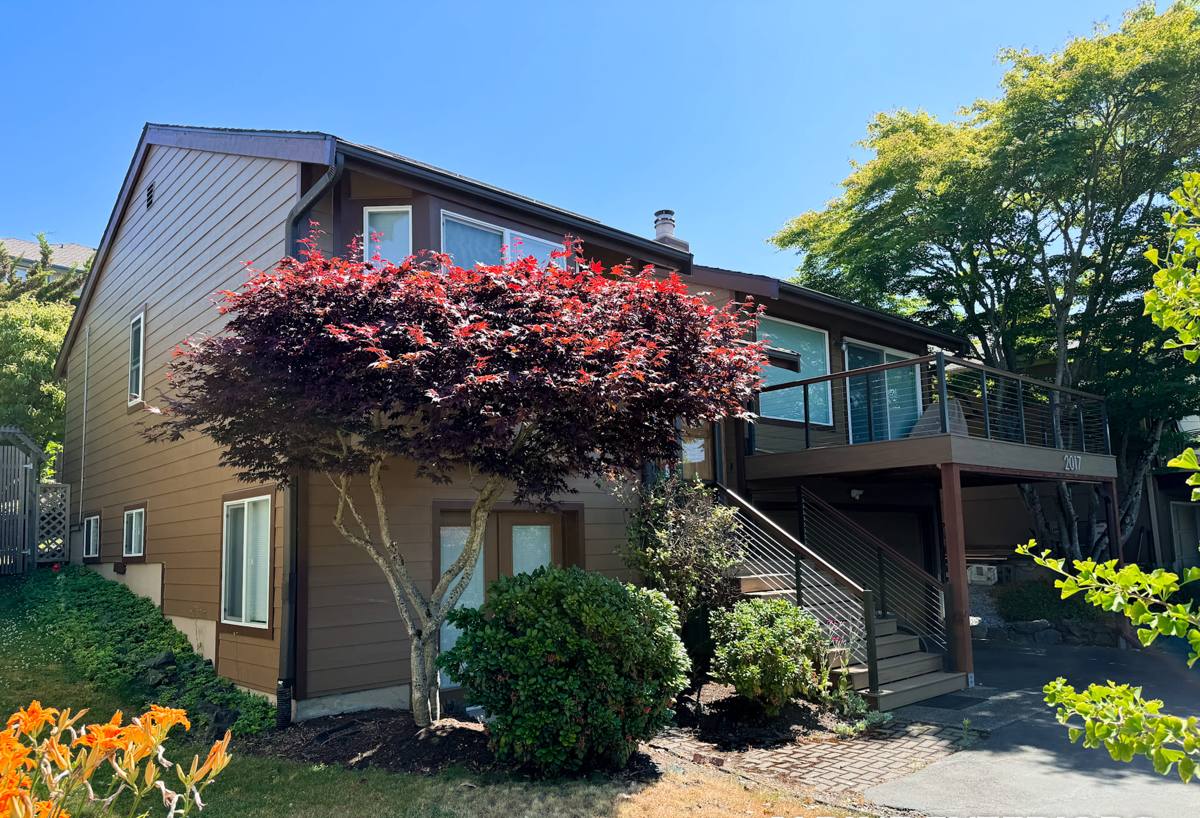
What Davis Islands Homes Actually Need
Wind and Impact Resistance
Hillsborough County enforces the Florida Building Code's High-Velocity Hurricane Zone-adjacent wind load requirements, and homes on Davis Islands, given the exposure, generally benefit from impact-rated windows or a code-compliant protection system even where not strictly mandated by the specific flood/wind zone designation on a given lot. Impact-rated glass is laminated with an interlayer that keeps the pane intact under wind-borne debris impact, which matters when a storm sends branches, patio furniture, or roofing debris airborne. Beyond storm events, a properly rated window also resists the day-to-day pressure cycling from strong wind gusts that push and pull on the frame every time a front comes through.
Corrosion Resistance
Salt air corrodes unprotected metal hardware, screws, and frame components faster on Davis Islands than it does even a few miles inland. That means the fasteners, hinges, and cranks on a new window need to be rated for coastal or marine-grade exposure, not standard interior-grade hardware. This is one of the most common shortcuts we see cause problems within a few years — hardware that looks fine on install day but starts rusting and seizing well ahead of the window's expected lifespan.
UV and Heat Performance
Florida sun degrades vinyl, breaks down sealants, and fades interior finishes. Low-E coated glass and UV-stabilized frame materials reduce that wear and also cut down on solar heat gain, which matters for cooling costs in a home that runs air conditioning most of the year.
Water Management
Wind-driven rain doesn't fall straight down — it gets pushed horizontally against the building envelope, which means the flashing and sealant detail around a window opening matters as much as the window itself. A window installed without proper sill pan flashing, back-dam detailing, and integrated weather barrier tie-in can leak during a sideways rain event even if the window itself is a high-quality unit.
What a Correct Installation Involves
A window installation that's actually built for this environment follows a specific sequence, not a quick swap-and-caulk job:
- Remove the old window and inspect the rough opening for rot, prior water intrusion, or framing damage before anything new goes in
- Install or repair a sloped sill pan flashing so any water that gets past the window sheds outward, not into the wall cavity
- Tie the window's flanges into the home's weather-resistive barrier with properly lapped flashing tape, following a shingle-style sequence so water always drains over the layer below it
- Set the window plumb, level, and square, and fasten it per the manufacturer's wind-load-rated schedule — not a generic spacing
- Insulate the gap between the frame and rough opening with a low-expansion foam or backer rod rated for window installation, avoiding gaps that create air and water paths
- Seal the exterior perimeter with a sealant rated for coastal UV and movement, leaving the correct weep paths open so the window can drain itself
- Finish interior trim and confirm smooth, even operation of every sash or panel before calling the job done
Skipping or rushing any one of these steps is usually where leaks and premature failures start, and it's rarely visible from the outside once the trim is back on.
Comparing Common Window Options for This Exposure
| Factor | Standard (non-impact) window | Impact-rated window | Impact + storm shutters |
|---|---|---|---|
| Wind/debris protection | Requires separate shutters or panels for storm compliance | Built-in protection, no extra step during a storm | Redundant protection, highest confidence |
| Upfront cost | Lowest | Higher than standard | Highest combined cost |
| Day-to-day maintenance | Standard | Standard, no shutters to deploy | Shutters need periodic operation checks |
| Insurance considerations | May require separate opening protection to qualify for wind mitigation credits | Often qualifies for wind mitigation credits on its own | Typically qualifies, sometimes with the best available credit |
| Best fit | Interior or heavily protected openings only | Most Davis Islands homes | Homes wanting maximum redundancy or older shutter systems already in place |
Cost varies a lot by window size, frame material, and how many openings are involved, so we'd rather walk your specific home and give you real numbers than quote a broad range that doesn't mean much either way.
Why a Crew That Already Works This Island Matters
Working on Davis Islands isn't the same as working a subdivision off a main Tampa corridor. Homes here often have tighter lots, specific parking and access considerations, and, in many cases, older construction with framing details that don't match modern rough-opening standards. A crew that's already done window work on this island knows to check for those quirks before the job starts, not after a window is already ordered to the wrong size. There's also the practical matter of scheduling around the neighborhood's traffic patterns and access points, which a crew unfamiliar with the area can underestimate.
Just as important is knowing Hillsborough County's permitting and inspection process for window replacement, which applies on Davis Islands like anywhere else in the county. Impact-rated and wind-load-rated products need to be installed and documented correctly to pass inspection and to actually deliver on any insurance wind mitigation credit you're expecting. A crew that pulls permits routinely in this county knows what the inspector will look for and builds the job to pass the first time.
Our Process
1. On-Site Assessment
We look at your existing windows, the rough openings, current flashing condition, and any signs of past water intrusion. This tells us what we're actually working with before we recommend a product.
2. Product Recommendation
Based on the home's exposure, orientation, and your budget, we'll walk through impact-rated options, frame materials, and glass packages that make sense for a Davis Islands property specifically — not a one-size-fits-all recommendation.
3. Written Estimate
You get a clear, itemized estimate before any work starts. No surprise line items added mid-project.
4. Permitting
We handle the Hillsborough County permit process for the installation, which is required for most window replacements and is what triggers the inspection your insurer may ask for.
5. Installation
Our crew follows the flashing, fastening, and sealing sequence described above on every opening, not just the ones that are easiest to reach.
6. Final Walkthrough and Inspection
We test every window's operation, confirm clean sightlines and trim work, and schedule the county inspection so you have documentation on file.
Maintenance That Extends Window Life on Davis Islands
Even a well-installed window benefits from basic upkeep in this environment:
- Rinse salt residue off frames and hardware periodically, especially after storms with onshore wind
- Check and clean weep holes along the sill so the window can drain properly
- Inspect exterior sealant annually for cracking or separation, particularly on south- and west-facing exposures that take the most sun
- Operate hardware (locks, cranks, latches) regularly so salt air doesn't seize moving parts unnoticed
- Watch for soft spots in interior trim or sill areas, which can signal a flashing issue worth catching early
Signs It's Time to Replace, Not Repair
Not every window issue means a full replacement, but certain signs point that direction: fogging or moisture between double-pane glass (a failed seal that can't be fixed), frames that are soft, warped, or visibly corroded, windows that won't stay open or locked, drafts you can feel even with the window closed, and any history of leaking during storms. If you're only seeing one or two of these on a single window, a repair might make sense. If it's spread across multiple openings or the home is due for a wind mitigation upgrade anyway, replacement is usually the more cost-effective path long-term.
Get a Free Estimate
If you're weighing a window replacement for a Davis Islands home, we're glad to come take a look, walk the property, and give you a straightforward, no-pressure estimate based on what your home actually needs — not a generic package. Use the form below to get started.