 Tampa Siding
 Why Ybor City Homes Take a Harder Hit From Florida Weather
Ybor City sits close to Tampa Bay and the port, which means the siding on these homes deals with more than just heat. Between hurricane-season wind events, sun exposure that runs nearly year-round, wind-driven rain that gets pushed sideways into walls during storms, and a steady dose of salt air off the bay, exterior materials here age faster than they would inland. Add in Hillsborough County's humidity, which keeps moisture in the air and against exterior walls for most of the year, and you have a climate that is genuinely hard on siding.
Ybor City is also a mixed housing stock — a historic neighborhood with a good number of older homes alongside newer infill construction, renovated bungalows, and multi-unit properties. Older homes often carry original wood siding or past repairs that were never brought up to current standards, while newer builds sometimes have vinyl or budget-grade fiber cement that wasn't specified for coastal-adjacent conditions. Either way, the siding has to do real work in this neighborhood: shed wind-driven rain, resist UV breakdown, and hold up against salt in the air without constant upkeep.
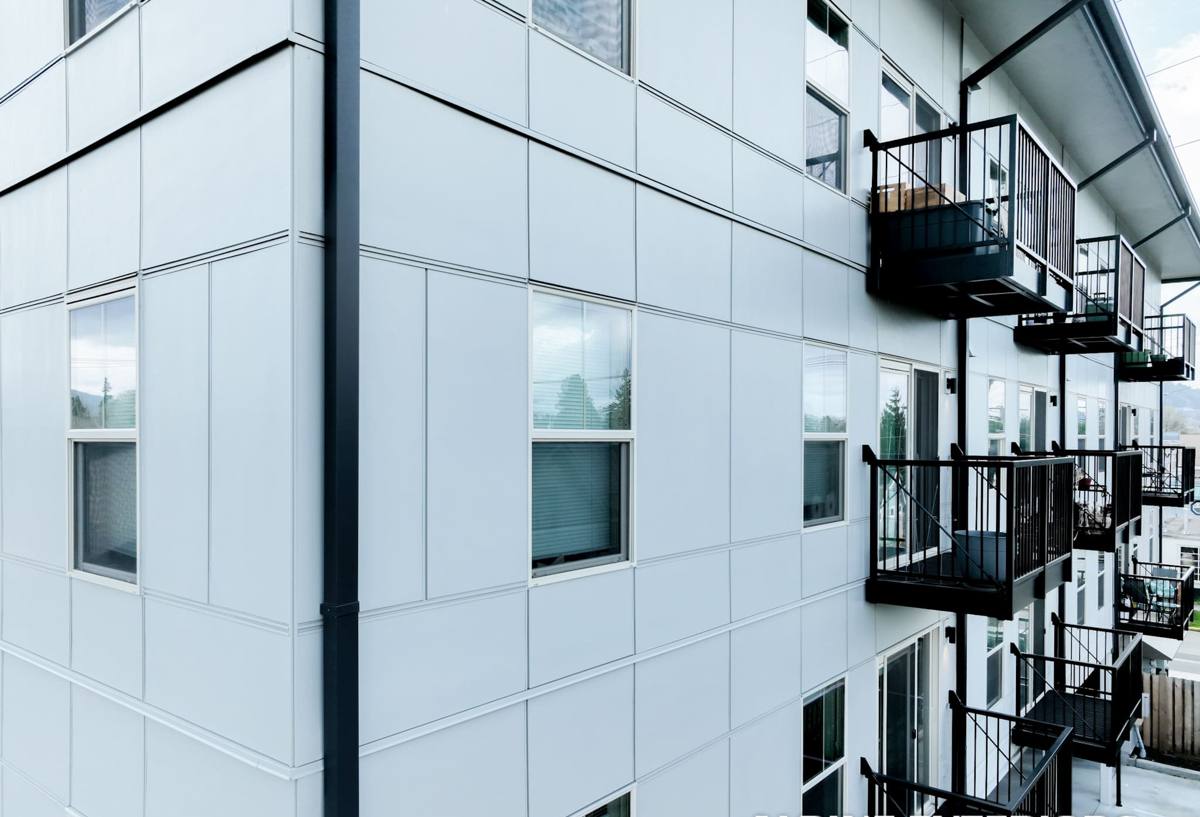
What Siding Actually Needs to Survive Here Long-Term
UV Stability
Florida sun breaks down paint film and some composite materials faster than almost anywhere else in the country. Siding that looks good on day one but chalks, fades, or peels within a few years isn't holding up its end of the deal — and repainting a whole house every five to seven years adds up fast.
Moisture Management
Wind-driven rain during tropical storms and hurricanes doesn't fall straight down — it gets forced sideways and upward under laps, around trim, and into any gap that isn't properly flashed. Siding and installation details both need to manage that water, not just tolerate it.
Wind and Impact Performance
Ybor City isn't in Florida's highest wind-zone classification, but Hillsborough County still falls under Florida Building Code wind-borne debris requirements, and tropical-storm-force gusts are a normal part of the season here. Siding needs to stay fastened and intact through repeated wind events, not just one big storm.
Salt Air Resistance
Being near the bay means a slow, steady exposure to salt in the air. Over years, that salt accelerates corrosion of fasteners and trim, and it can speed up the breakdown of lower-grade finishes. Materials and hardware need to be chosen with that in mind.
Why We Install Only James Hardie Fiber Cement
We don't offer vinyl, LP SmartSide, or unbranded fiber cement alternatives, and that's a deliberate standard, not a sales pitch. Vinyl siding is affordable and easy to install, but it's a petroleum-based product that softens and can warp in sustained heat, and it isn't rated to stand up to wind-borne debris the way fiber cement is. Engineered wood products use wood fiber with resin binders, which means moisture intrusion at a cut edge or fastener point can lead to swelling and deterioration over time — a real risk in a climate this humid.
James Hardie fiber cement is a different category of material: sand, cement, and cellulose fiber, cured into a board that doesn't burn, doesn't rot, and doesn't attract termites. Hardie also engineers specific formulations, marketed as HZ5, for high-humidity, wind-exposed climates like ours — built to resist moisture and hold paint longer than standard fiber cement. Combined with the factory-applied ColorPlus finish, which is baked on and warrantied against fading and peeling far beyond what field-applied paint typically holds up, it's a product built for exactly the conditions Ybor City throws at it.
Matching the Right Hardie Product to Ybor City's Architecture
Ybor City's homes range from historic-style bungalows and shotgun houses to more modern infill construction, and the right Hardie product depends on the look you're going for and what's already on the house.
| Product | Best Fit | Look |
|---|---|---|
| HardiePlank Lap Siding | Bungalows, traditional single-family homes | Classic horizontal lap, multiple width and texture options |
| HardiePanel Vertical Siding | Board-and-batten style homes, accent gables | Clean vertical lines, often paired with battens |
| HardieShingle Siding | Gable accents, historic-style detailing | Staggered or straight-edge shingle profile |
| HardieTrim Boards | Corner boards, window and door casing, fascia | Smooth or woodgrain finish to match siding |
Many Ybor City projects combine two of these — lap siding on the main field with a shingle or panel accent at a gable or entry — to preserve a home's original character while upgrading the material underneath it.
What a Correct James Hardie Installation Actually Involves
Fiber cement is only as good as the installation behind it. Hardie's own warranty terms require installation according to their published instructions, and skipping steps is one of the most common ways a siding job fails early — regardless of how good the material is.
Tear-Off and Wall Prep
Old siding comes off down to the sheathing so the crew can actually see the wall — checking for rot, soft spots, or prior water damage that needs to be repaired before anything new goes up. Covering over a compromised wall with new siding just hides the problem.
Weather Barrier and Flashing
A continuous water-resistive barrier goes over the sheathing, with flashing installed at every window, door, and penetration. This is the layer that actually stops wind-driven rain from reaching the framing — the siding itself is the second line of defense, not the only one.
Fastening and Clearances
Hardie specifies fastener type, spacing, and placement, along with minimum clearances from the ground, roofline, and other surfaces to keep moisture from wicking into the board's edges. These details are easy to shortcut and hard to spot once the job is finished — which is exactly why they matter.
Joints, Caulking, and Paint Touch-Up
Factory-cut edges and any field cuts get properly sealed and touched up to match the ColorPlus finish, so the whole system — not just the flat faces of the boards — is protected from moisture and UV.
Our Process, Start to Finish
- On-site assessment — we walk the exterior, check existing siding and wall condition, and note any repair needs before quoting.
- Product and color selection — choosing the right Hardie line and ColorPlus color for the home's style and the neighborhood's character.
- Permitting — siding replacement in Hillsborough County requires a permit, and homes within Ybor City's designated historic district may have additional review for exterior changes. We help homeowners understand what applies before work starts.
- Tear-off and wall repair — removing old siding and fixing any sheathing or framing issues found underneath.
- Installation — barrier, flashing, and siding installed to Hardie's specifications and local wind code.
- Final walkthrough — reviewing the finished job with the homeowner and registering the manufacturer warranty.
Cost Factors for a Ybor City Siding Project
Every home is different, so we don't quote a blanket number, but these are the factors that typically move the price up or down:
| Factor | Why It Matters |
|---|---|
| Home size and wall complexity | More square footage and more corners, gables, and dormers mean more material and labor |
| Condition of existing wall sheathing | Rot or water damage found during tear-off adds repair work before new siding goes up |
| Trim and accent detail | Board-and-batten accents, shingle gables, and custom trim add time versus a plain lap job |
| Access and site conditions | Tight lot lines, fencing, or landscaping near the home can slow staging and installation |
| Historic district review | Properties subject to additional design review may need extra time built into the schedule |
Simple Maintenance That Protects the Investment
- Rinse siding periodically to clear salt residue and airborne grime, especially on street-facing walls
- Keep sprinklers and irrigation from spraying directly on siding to limit constant moisture exposure
- Trim back plants and shrubs so air can circulate along the wall surface
- Check caulking at trim joints and penetrations once a year and touch up as needed
- Walk the exterior after major storms to look for loose boards, damaged trim, or fastener issues
Signs Your Ybor City Home May Need New Siding Soon
- Visible warping, cracking, or soft spots when pressed
- Paint that's peeling, chalking, or fading unevenly across the wall
- Gaps opening up at seams, corners, or trim boards
- Water staining or discoloration near the base of walls or under windows
- Rising energy bills that may point to a compromised weather barrier behind the siding
Why a Crew That Already Works in Ybor City Makes a Difference
Siding work in this neighborhood isn't identical to a job in a newer, inland subdivision. A crew that already works in Ybor City understands the mix of historic and newer construction, knows what Hillsborough County inspectors expect on a siding permit, and is familiar with how additional historic-district review can affect timelines for homes within those boundaries. That local familiarity saves homeowners from surprises mid-project and helps keep the job moving instead of stalling on paperwork or code questions that a crew unfamiliar with the area would have to learn on the fly.
It also means the crew has seen firsthand how this specific stretch of Tampa's climate — the salt air, the humidity, the wind-driven rain — actually affects siding over time, which shapes decisions like flashing detail, fastener choice, and where extra attention is worth spending.
If your Ybor City home needs new siding, or you're not sure whether what's on the walls now is holding up the way it should, we're happy to take a look. We offer free, no-pressure estimates — use the form below to get started.