 Tampa Siding
 Roof Repair Built for Ybor City's Conditions
Ybor City sits close to downtown Tampa, which means its roofs deal with everything Hillsborough County's climate can throw at them — tropical storms and hurricane-force gusts in the warm months, intense UV exposure nearly year-round, and the humidity and salt-laden air that comes with being this close to Tampa Bay. Add in a neighborhood with a real mix of housing ages and roof types, from older homes to newer infill construction, and you get a wide range of repair needs that a generic, one-size-fits-all approach doesn't handle well.
This page covers what roof repair actually looks like for homes in this part of Tampa, what a correct repair involves, how we approach the work, and why local experience matters when you're trusting someone to get up on your roof.
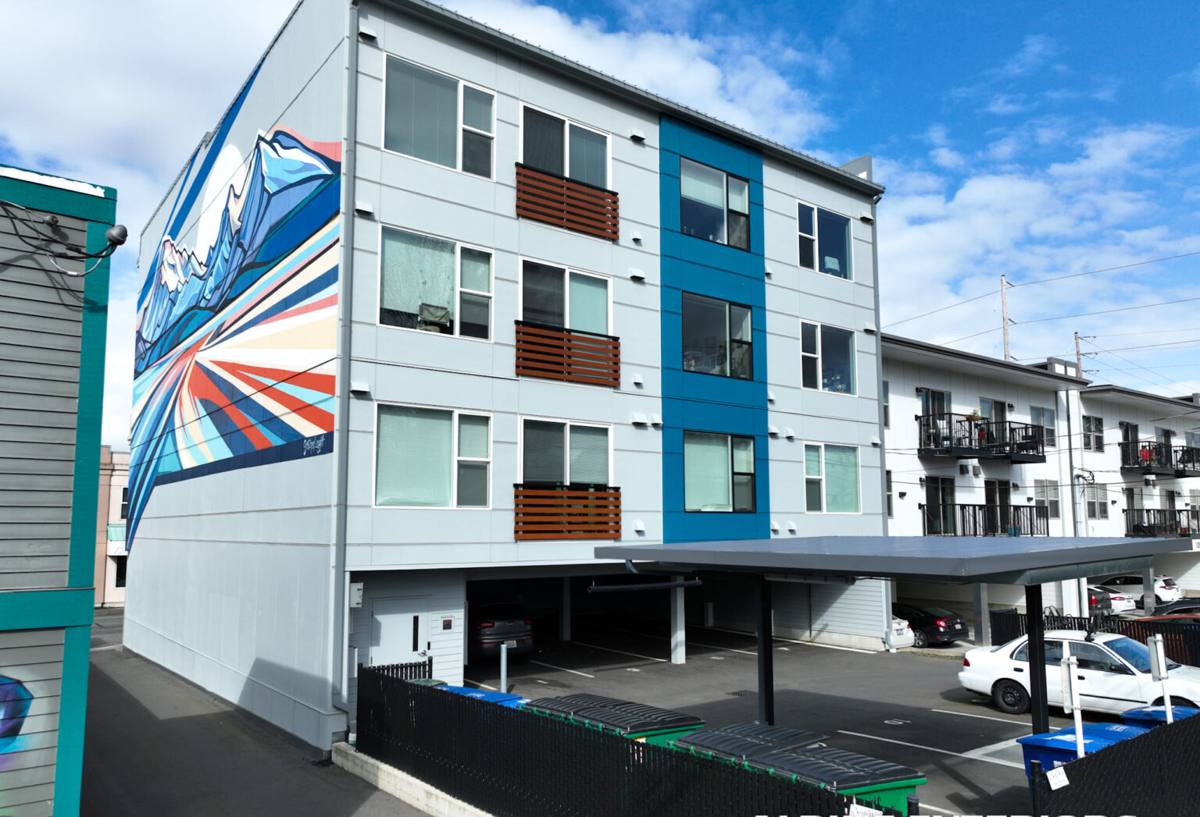
Why Roofs in This Area Take a Beating
Wind and Storm Exposure
Hurricane season brings sustained high winds and gusts that can lift shingles, tiles, and flashing that are already loose or aging. Even storms that don't make direct landfall in the Tampa area can still deliver enough wind to expose weak points in a roof system. Repair work after a wind event is one of the most common calls we get, and it's often less about total damage and more about a handful of vulnerable spots that gave way first.
UV and Heat
Florida sun is relentless, and roofing materials degrade faster here than in most parts of the country. UV exposure breaks down asphalt shingles, dries out sealants, and can cause tile underlayment to become brittle years before it would in a milder climate. That accelerated aging is a big reason why roofs in this area often need targeted repairs well before they're due for full replacement.
Salt Air and Moisture
Proximity to Tampa Bay means a steady presence of salt-laden air, which speeds up corrosion on metal flashing, fasteners, and vents. Combined with Florida's humidity, this creates conditions where small amounts of trapped moisture can cause outsized damage if a roof isn't sealed and ventilated correctly.
Wind-Driven Rain
It's not just wind and it's not just rain — it's the combination. Wind-driven rain can find its way under shingles or through compromised flashing at an angle that a well-installed roof is designed to resist, but a roof with even minor existing damage often isn't. This is why leaks frequently show up during or right after a storm, even on roofs that looked fine beforehand.
Common Roof Problems We See Locally
A Mixed Housing Stock
Ybor City has a genuine mix of older homes and newer builds, which means roof age, materials, and underlying deck condition vary a lot from property to property. An older home may have layers of roofing history underneath the current surface, while a newer home's issue is more likely tied to a specific installation detail. Repair work here isn't cookie-cutter — it starts with actually understanding what's on your roof and how it was put together.
Flat and Low-Slope Sections
Many Tampa-area homes, especially additions, porches, and some older properties, have flat or low-slope roof sections. These areas are more prone to ponding water and membrane wear, and they need a different repair approach than a pitched shingle or tile roof.
Aging Shingle and Tile Roofs
Cracked or slipped tiles, curling or missing shingles, and worn flashing around chimneys, vents, and roof-to-wall intersections are the most frequent repair calls we get in this area. Left alone, these small issues are exactly what turns into an interior leak during the next heavy rain.
Signs You Need Roof Repair
Most roof problems give warning signs before they become emergencies. If you notice any of the following, it's worth having a roof looked at before the next storm rolls through:
- Missing, cracked, or curling shingles, or cracked and displaced roof tiles
- Granules collecting in gutters or at the base of downspouts
- Dark streaks, stains, or soft spots on interior ceilings
- Visible daylight or gaps around flashing, vents, or chimneys
- Sagging areas or soft spots you can feel when walking the roof
- Rusted, lifted, or loose flashing around roof penetrations
- Debris buildup or ponding water on flat or low-slope sections
- A noticeable rise in attic temperature or humidity
Any one of these on its own might be minor. Several together, or any sign paired with an actual interior leak, means it's time for a proper inspection rather than a wait-and-see approach.
What a Correct Repair Actually Involves
A repair that just patches the visible problem without addressing the cause tends to fail again within a season or two — especially in a climate that's this hard on roofing materials. A repair done right involves a few consistent steps regardless of the specific damage:
- Identifying not just where the damage is, but why it happened — wind uplift, UV breakdown, a flashing failure, or a ventilation issue
- Checking the roof deck underneath the damaged area for rot, soft spots, or water intrusion that isn't visible from the surface
- Replacing damaged materials with matching or compatible products, not just whatever's on hand
- Properly integrating new flashing, underlayment, and sealant with the surrounding roof system rather than just caulking over gaps
- Confirming the repair ties into existing drainage and ventilation correctly, so water and air move the way the roof was designed to handle them
Skipping any of these steps is how a "fixed" roof ends up leaking again in the next storm.
Our Repair Process
We keep the process straightforward and honest, from the first call to the final walk-through:
- Inspection. We get on the roof (or use elevated inspection methods when needed) and look at the full picture — not just the spot you called about.
- Honest assessment. We tell you what's actually going on, including if a repair is the right call versus a section replacement, and why.
- Clear scope and estimate. You get a written explanation of what work is needed and what it involves, with no pressure to upsell into a full roof replacement if a repair genuinely solves the problem.
- The repair itself. Work is done with materials matched to your existing roof system wherever possible, with attention to flashing, sealing, and ventilation — not just surface patching.
- Final check. We confirm the repair is watertight and holding correctly before we consider the job done.
Repair vs. Replacement: What Actually Drives the Decision
One of the most common questions homeowners in this area ask is whether they need a repair or a full replacement. The honest answer depends on a few factors:
| Factor | Points Toward Repair | Points Toward Replacement |
|---|---|---|
| Roof age | Roof is under 10-15 years old, or well-maintained | Roof is near or past its expected service life |
| Extent of damage | Damage is localized to one area or system | Damage is spread across multiple sections |
| Deck condition | Roof deck underneath is sound | Deck shows rot or widespread water damage |
| Storm history | Single recent event caused isolated damage | Repeated storm damage over several seasons |
| Material availability | Matching materials are still available | Original materials are discontinued or mismatched |
In a lot of cases, especially with isolated wind or UV damage, a well-executed repair is the right call and the more cost-effective one. We'll tell you plainly if your roof is at the point where repair is just delaying an inevitable replacement — that's a disservice we won't do to you either way.
Materials and Methods We Use
For repair work, we match materials to what's already on your roof whenever it's a sound, serviceable option — there's no reason to change roofing systems mid-repair if the existing one is performing well. Where we recommend an upgrade, such as improved underlayment or corrosion-resistant flashing in higher-exposure areas, it's because of a real trade-off we've seen play out in this climate: standard materials that aren't rated for heavy UV and salt exposure tend to need repair again sooner, which costs more over time than doing it right the first time. We're straightforward about those trade-offs, including cost, rather than pushing upgrades you don't need.
Why Local Experience Matters for This Neighborhood
Ybor City's mix of older and newer construction means a crew needs to actually know what they're looking at before they start pulling materials off a roof. A repair approach that works on a newer build isn't always the right one for an older home with layered roofing history underneath. If your property falls within Ybor City's historic district, there can also be additional design considerations for exterior work, including roofing — that's worth confirming before any repair begins, and it's the kind of detail a crew unfamiliar with the neighborhood can easily miss.
Beyond the technical side, a crew that regularly works in this part of Tampa understands how quickly Hillsborough County's storm season can turn a small repair need into an urgent one, and plans accordingly — from scheduling around weather windows to knowing which materials actually hold up against the wind, sun, and salt air specific to this area.
Get a Straightforward Roof Repair Estimate
If you're seeing signs of roof damage or just want an honest read on your roof's condition before the next storm season, we're happy to take a look. Estimates are free, there's no pressure to commit to more than the job actually needs, and you'll get a clear explanation of what's going on and what it would take to fix it. Fill out the form below to get started.