 Tampa Siding
 Board & Batten Siding in Temple Terrace
Temple Terrace is one of the more distinct residential pockets in Hillsborough County — a mix of established homes on mature, tree-lined streets alongside newer construction closer to the University area. Board and batten siding shows up on a lot of these homes because it does something vinyl lap and flat panel siding can't: it gives a house real vertical texture and a cleaner, more architectural look, whether that's a full board and batten exterior or an accent on a gable, porch, or garage face. It's a style choice, but it's also a performance choice, and in Tampa's climate the performance side matters as much as the look.
This page covers what board and batten siding needs to hold up on a Temple Terrace home specifically — the climate factors at play, what a correctly installed system looks like, and why we only install it in James Hardie fiber cement rather than vinyl or wood.
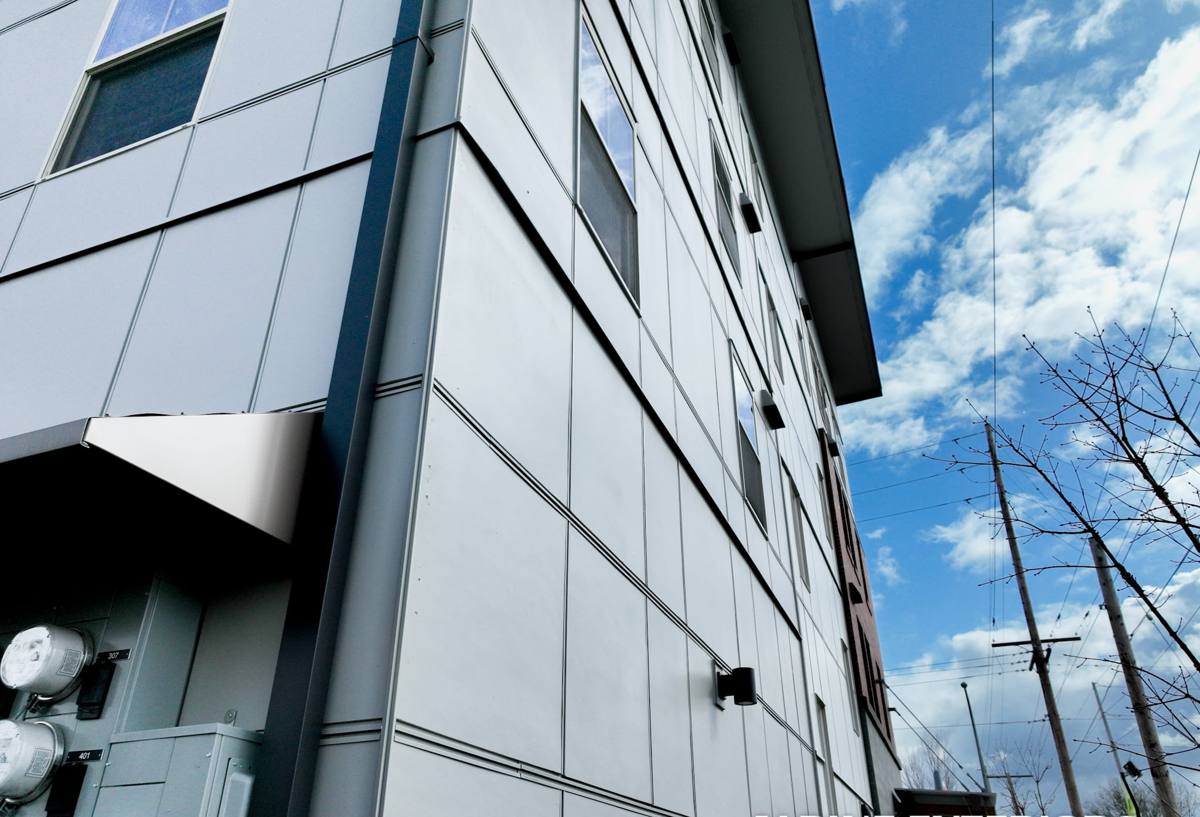
What Tampa's Climate Does to Board & Batten Siding
Board and batten has more vertical seams and more exposed batten edges than a standard horizontal lap profile, which means more places for water to find a way in if the installation isn't done right. In a climate like ours, that's not a minor detail.
Hurricane-Force Wind
Hillsborough County sits in a wind zone where siding has to be rated and fastened to withstand sustained tropical-storm and hurricane-force gusts, not just everyday breezes. Battens that are under-fastened, or panels hung with the wrong nailing pattern, are the first thing to fail when wind gets under an edge and starts prying.
Year-Round UV Exposure
Florida sun is relentless almost twelve months a year. Paint and coatings that aren't engineered for this kind of UV load chalk, fade, and crack years earlier than the same product would in a milder climate — and on board and batten, uneven fading between boards and battens is especially noticeable because of the strong shadow lines the profile creates.
Wind-Driven Rain
Tampa's storms rarely fall straight down. Wind-driven rain gets pushed sideways into vertical seams and batten joints, which is exactly where a board and batten system is most vulnerable if it wasn't detailed with proper drainage behind it.
Humid, Salt-Tinged Air
Temple Terrace sits inland from Tampa Bay, so it doesn't take the direct salt spray that beachfront communities do — but the Gulf Coast's humid, salt-tinged air still moves well inland, and combined with our humidity it accelerates corrosion on the wrong fasteners and trim hardware over time.
What a Correct Board & Batten Installation Involves
A lot of board and batten siding failures aren't material failures — they're installation shortcuts. The material can be rated for hurricane wind and Florida humidity and still fail early if it's put up wrong. Here's what we consider non-negotiable:
Drainage Plane and Rainscreen
Board and batten should never be nailed directly against the wall sheathing with nothing behind it. A weather-resistive barrier, properly lapped and taped at every seam, plus a furring or rainscreen gap, gives any water that gets past the surface a way to drain and dry out instead of sitting against the sheathing.
Fastening and Batten Spacing
Panels and battens need to be fastened per the manufacturer's wind-zone-specific schedule — not a generic nailing pattern pulled from a milder climate's install guide. Batten spacing also has to account for expansion and contraction; battens set too tight will bow or crack over a Florida summer.
Flashing at Every Penetration
Windows, doors, hose bibs, light fixtures, vents — every penetration through a board and batten wall needs proper flashing integrated with the drainage plane, not just a bead of caulk. Caulk is a maintenance item, not a waterproofing strategy.
Joint and Trim Detailing
Where board and batten meets corners, soffits, and trim, the joints need to be detailed to shed water outward, with the right gap and sealant at material transitions — not tight, rigid joints that crack the first time the material moves seasonally.
Why We Install James Hardie for Board & Batten
We install James Hardie fiber cement exclusively — no vinyl, no LP SmartSide, no primed spruce or cedar board and batten. That's a deliberate standard, not a default.
Vinyl board and batten is lightweight and low-cost, but it's also a thin material that can distort or warp in extreme heat, and its color is baked through a colorant that fades and chalks under sustained Florida UV faster than a factory-applied finish does. Wood and engineered wood board and batten can look beautiful, but they demand real ongoing maintenance — repainting, caulk inspection, moisture monitoring — to keep humidity and wind-driven rain from getting into the material over time. Given Tampa's climate, we don't think either is the right long-term investment for a Temple Terrace home, and we'd rather be straightforward about that than sell something we don't stand behind.
James Hardie fiber cement is engineered specifically for this. It's non-combustible, it doesn't warp or rot the way wood-based products can, and Hardie's HZ5 product line is engineered for the wind, humidity, and moisture cycling that define Gulf Coast climates like ours. ColorPlus factory-baked finishes are formulated to resist UV fading far longer than field-applied paint, which matters enormously on a profile like board and batten where color consistency between boards and battens is part of the look. It also carries a strong transferable warranty — but only when installed to Hardie's specification, which is exactly why installation quality gets equal billing with the material itself on this page.
Board & Batten Material Comparison
| Factor | James Hardie Fiber Cement | Vinyl Board & Batten | Wood / Engineered Wood |
|---|---|---|---|
| Wind Resistance | Engineered for hurricane-zone wind loads (HZ5 line) | Can distort or blow off in high wind if under-fastened | Adequate when fastened correctly, but panels are more prone to warping over time |
| UV / Fade Resistance | Factory ColorPlus finish resists fading and chalking | Color is molded through and fades/chalks under sustained sun | Field-applied paint fades and needs repainting on a regular cycle |
| Moisture Behavior | Does not rot; performs well with proper drainage detailing | Doesn't rot itself, but traps moisture against sheathing if installed tight | Vulnerable to rot and swelling if moisture gets past the finish |
| Fire Rating | Non-combustible | Combustible | Combustible |
| Typical Maintenance | Occasional wash and caulk-joint check | Low, but cracked/warped panels can't be spot-repaired cleanly | Regular repainting and moisture inspection |
Our Process for Board & Batten Projects in Temple Terrace
Inspection and Assessment
We start by looking at the existing wall assembly — sheathing condition, any signs of past moisture intrusion, and the wind exposure of the specific elevation. Board and batten on a two-story gable facing open exposure gets detailed differently than a single-story accent wall under an eave.
Prep and Drainage Plane
Before a single board goes up, we install and properly lap the weather-resistive barrier and set the furring or rainscreen gap. This is the step that determines whether the wall behind the siding stays dry for the next few decades.
Installation to Wind-Zone Spec
Panels and battens go up following Hardie's fastening schedule for our wind zone, with flashing integrated at every window, door, and penetration as we go — not caulked in afterward.
Final Detailing and Walkthrough
We check batten spacing, joint sealant, and trim transitions, then walk the finished elevation with the homeowner before calling the job done.
Why Local Experience in Temple Terrace Matters
A crew that regularly works Hillsborough County jobs already knows the wind-zone requirements local permitting will hold the job to, has a working relationship with the local inspection process, and has actually seen how board and batten siding performs on homes in this specific climate over multiple hurricane seasons — not just on a spec sheet. That experience shows up in the small decisions: how tight to set a batten given our humidity swings, where extra flashing attention pays off on a given roofline, and how to sequence a project around Tampa's rainy season instead of fighting it.
It also matters for accountability. A contractor who works this area consistently has a reputation to protect with the neighbors and inspectors they'll see again on the next job — that's a different incentive than an out-of-area crew passing through.
Signs a Temple Terrace Home's Siding Needs Attention
- Visible gaps, warping, or bowing at batten edges
- Cracked or missing caulk at joints and trim transitions
- Soft or spongy spots when pressed near the base of the wall
- Uneven fading or chalking between boards and battens
- Staining or streaking below seams after heavy rain
- Any siding that was installed without a documented drainage plane behind it
What Board & Batten Costs to Consider
Board and batten pricing depends on the elevation being covered, whether it's a full-home application or an accent feature, the condition of the substrate underneath, and how much flashing and trim detail the specific roofline and window layout require. We won't quote a number without seeing the home, but we're always upfront about what drives the cost up or down during the estimate — there's no reason a homeowner should be guessing at that.
If your Temple Terrace home could use board and batten siding — whether as a full exterior or an accent that gives it more architectural presence — we're happy to come take a look. The estimate is free, there's no pressure, and you'll get a straight answer about what your home actually needs.