 Tampa Siding
 Board & Batten Siding in Carrollwood: What This Page Covers
Carrollwood is one of the older established communities in northwest Hillsborough County, with a housing stock that ranges from mid-century ranch homes to newer custom builds under mature tree canopy. Board and batten siding — vertical boards with narrow strips (battens) covering the seams — has become a popular choice here because it suits both the ranch-style bones of older homes and the modern farmhouse look many owners are renovating toward. This page is specifically about board and batten siding installed correctly for Carrollwood's conditions, using the one material we install: James Hardie fiber cement.
We are not going to give you a generic rundown of board and batten siding. We are going to explain what this style demands from a material and an installer in the Tampa Bay climate, what separates a board and batten job that lasts twenty-plus years from one that fails at the seams in five, and how we approach the work on Carrollwood homes specifically.
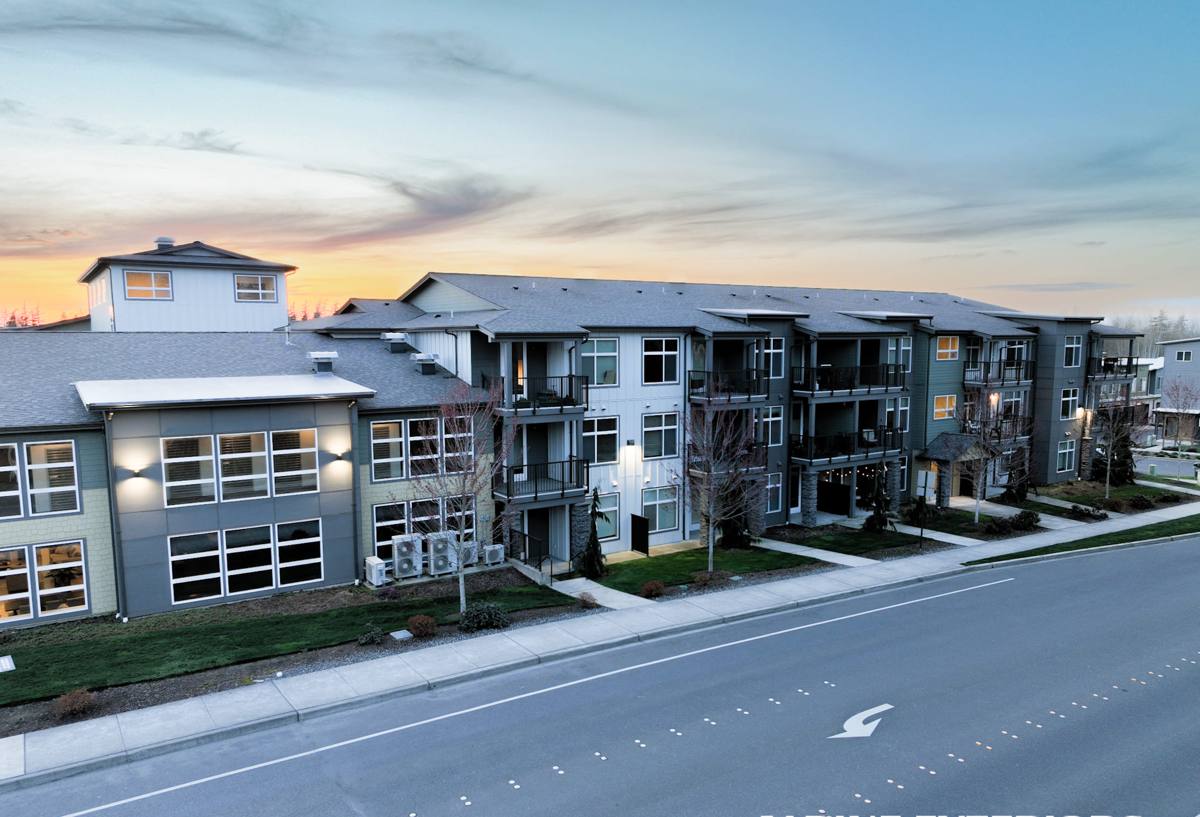
Why Board & Batten Fits Carrollwood's Housing Stock
Board and batten reads differently than horizontal lap siding — the vertical lines add height and a cleaner, more architectural look that works well on the single-story ranch homes common throughout Carrollwood, as well as on the two-story farmhouse-style renovations that have become popular in the neighborhood over the past several years. It's also frequently used as an accent: gables, dormers, porch fronts, or a full elevation paired with lap siding elsewhere on the house.
The style choice is straightforward. The material and installation choice is where most of the risk lives, and that's what the rest of this page focuses on.
What Tampa's Climate Actually Does to Board & Batten Siding
Board and batten has more vertical seams per square foot than lap siding, and every one of those seams is a potential water entry point if it isn't detailed correctly. In Hillsborough County's climate, that detail work isn't optional.
Hurricane-Force Wind Exposure
Carrollwood sits inland from Tampa Bay, but it is still well within the wind-load zones that Florida's building code accounts for on every exterior product. Vertical board siding has more edges catching wind uplift than lap siding does, which means fastening pattern and batten attachment matter more here than on a standard horizontal install. Under-fastened or improperly spaced battens are one of the first things to fail in a tropical storm or hurricane, sometimes years before the storm that finally exposes the shortcut.
Intense, Year-Round UV
Tampa gets strong, direct sun essentially twelve months a year. Paint-grade siding — whether wood, primed spruce, or field-painted fiber cement — chalks, fades, and cracks faster here than it would in a milder climate, and repainting a board and batten elevation is more labor-intensive than repainting lap siding because of the extra trim and batten surfaces.
Wind-Driven Rain and Salt Air
Summer thunderstorms in this part of Florida routinely drive rain sideways, and Carrollwood's proximity to Tampa Bay means the air carries a measurable salt content even well inland. Wind-driven rain finds any gap in flashing or caulking at a vertical seam and pushes water behind the siding rather than letting it run off the surface. Salt air accelerates corrosion on fasteners and metal flashing that aren't rated for coastal-adjacent exposure.
Why This Matters More for Board & Batten Specifically
Every one of these climate stresses — wind uplift, UV, wind-driven rain — is more punishing on a vertical board system than on lap siding, simply because there are more seams, more battens, and more attachment points where a mistake can hide. That's the core reason board and batten is a style where the installer matters as much as the material.
What a Correct Board & Batten Installation Actually Involves
Board and batten looks simple from the street — boards, then strips covering the gaps. What's underneath determines whether it lasts.
Drainage Plane and Weather-Resistive Barrier
Behind every board and batten installation there needs to be a continuous weather-resistive barrier and, ideally, a drainage gap that lets any water that does get past the surface find its way back out rather than sitting against the sheathing. This is invisible once the job is done, which is exactly why it's the step corners get cut on.
Fastening Pattern and Batten Spacing
Batten spacing has to follow the manufacturer's engineering, not just what looks even to the eye. Fasteners have to hit framing, be spaced to the wind-load requirements for the area, and use corrosion-resistant fastener heads appropriate for coastal-adjacent, salt-air exposure. Face-nailing battens without hitting solid framing is a common shortcut that holds up fine until the first real windstorm.
Flashing at Every Penetration
Windows, doors, hose bibs, light fixtures, and the bottom termination at the foundation all need proper flashing and integration with the drainage plane — not just a bead of caulk. Caulk is a maintenance item, not a waterproofing strategy, and in Tampa's wind-driven rain it fails faster than most homeowners expect.
Expansion Gaps and Sealant
Fiber cement expands and contracts with heat and humidity swings less than wood, but it still needs the manufacturer-specified gaps at butt joints and trim, sealed with a high-quality, paintable sealant rated for exterior use — not standard caulk.
Why We Install James Hardie for Board & Batten — and Nothing Else
We install James Hardie fiber cement exclusively, and board and batten is one of the styles where that decision matters most. Hardie's vertical siding options (including HardiePanel with battens and the Artisan collection) are engineered fiber cement, not painted wood or a wood-look composite, which changes the failure modes we're protecting your home against.
- Non-combustible: Fiber cement doesn't feed a fire the way wood-based products can, which matters for insurance considerations as much as safety.
- Won't rot from wind-driven rain intrusion: Unlike primed spruce or cedar board and batten, Hardie's fiber cement doesn't absorb moisture and rot at the seams the way wood products can when water gets behind a batten.
- ColorPlus factory finish: A baked-on finish that resists Tampa's UV exposure far longer than field-applied paint, and it isn't a shortcut warranty — it's backed by Hardie's own finish warranty separate from the substrate.
- Engineered for this climate: Hardie's HZ5 product line is engineered specifically for high-humidity, high-moisture climates like ours, which is what we use throughout the Tampa Bay area.
We won't install vinyl board and batten, LP SmartSide, Cemplank, Allura, or primed wood on a Carrollwood home. Each of those has legitimate uses somewhere, but none of them hold up to Tampa's combination of UV, humidity, and wind-driven rain as well as correctly installed Hardie fiber cement, and we'd rather turn down work than install something we don't stand behind for this climate.
Board & Batten Material Comparison for Tampa Bay Homes
| Material | Moisture Behavior in Humid Climate | UV/Fade Resistance | Wind Performance | Typical Lifespan Here |
|---|---|---|---|---|
| James Hardie fiber cement | Does not rot; engineered HZ5 line for humidity | ColorPlus factory finish resists fading | Engineered fastening pattern for wind zones | 30+ years to finish warranty, longer substrate life |
| Primed wood / cedar | Absorbs moisture, prone to rot at seams | Fades and chalks; needs repainting | Depends on fastening; swells/shrinks with humidity | 10-20 years with regular maintenance |
| Vinyl board and batten | Doesn't rot, but traps moisture behind panel if installed poorly | Can fade, warp, or become brittle in intense sun | Can crack or blow off in high winds if under-fastened | 15-25 years, degrades faster in direct sun |
| LP SmartSide | Engineered wood strand; vulnerable to moisture at cut edges/seams if not sealed exactly to spec | Needs factory or field finish maintained over time | Adequate when installed to spec | 20-30 years, installation-sensitive |
What Drives the Cost of a Board & Batten Job in Carrollwood
We don't publish fixed prices because every home is different, but these are the factors that actually move the number on a board and batten estimate:
| Cost Factor | Why It Matters |
|---|---|
| Full elevation vs. accent application | A full board and batten wall costs more than using it as a gable or porch accent over lap siding |
| Substrate condition | Rotted sheathing or old moisture damage found during tear-off adds repair scope before new siding goes on |
| Trim and penetration count | More windows, doors, and fixtures mean more flashing and detail work per square foot |
| Height and access | Two-story gables and steep rooflines take longer and require more safety setup than single-story walls |
| Color and finish selection | ColorPlus factory-finished boards cost more upfront than field-painted but eliminate a repaint cycle |
Maintenance: What Board & Batten Actually Needs in This Climate
One reason homeowners like fiber cement board and batten in Tampa Bay is how little it asks for compared to wood. That said, "low maintenance" isn't "no maintenance":
- Rinse the exterior periodically to remove salt residue and airborne grime, especially on walls facing prevailing wind.
- Inspect caulking at trim, window, and door junctions annually — sealant is a wear item even when the siding underneath isn't.
- Watch for any soft spots, staining, or bubbling at the base of the wall, which can indicate irrigation spray or drainage hitting the siding directly.
- After any major storm, walk the exterior and check for loose battens, cracked boards, or displaced flashing before small damage becomes a moisture problem.
- Keep sprinkler heads and dense landscaping from spraying or pressing directly against the bottom courses.
Why Hiring a Crew That Already Works Carrollwood Matters
Board and batten installation quality is hard for a homeowner to evaluate by eye — the boards look the same whether the drainage plane behind them is done right or skipped. A crew that regularly works Hillsborough County homes has already worked through the permitting expectations, the wind-load requirements for this part of the county, and the moisture patterns that show up on homes under mature tree canopy versus more open lots. That's not a marketing point — it's the difference between a crew learning your climate on your house and one that already knows it.
If you're weighing board and batten siding for a Carrollwood home, we're happy to walk the property, look at what's there now, and give you a straight answer on what a correct job involves and what it will cost — no pressure, no inflated scope. Request a free estimate below and we'll set up a time to take a look.