 Tampa Siding
 Why Window Installation Is Different Near Clearwater
Homes in and around Clearwater sit close to the Gulf, which means their windows do more work than windows almost anywhere else in the country. Hurricane-force wind events are a real design load, not a hypothetical. Salt-laden air corrodes hardware and finishes faster than inland climates. Intense, near-constant UV breaks down seals, vinyl, and glazing compounds year-round. And wind-driven rain doesn't just fall straight down — it gets pushed sideways into any gap in the flashing or sealant. A window that would perform fine in a milder climate can fail here in a fraction of the time if it's not spec'd and installed correctly for this exposure.
That's the lens we bring to every window installation in this area: not "will this window look good," but "will this window still be sealed, structurally sound, and doing its job in ten or twenty years of Gulf Coast weather."
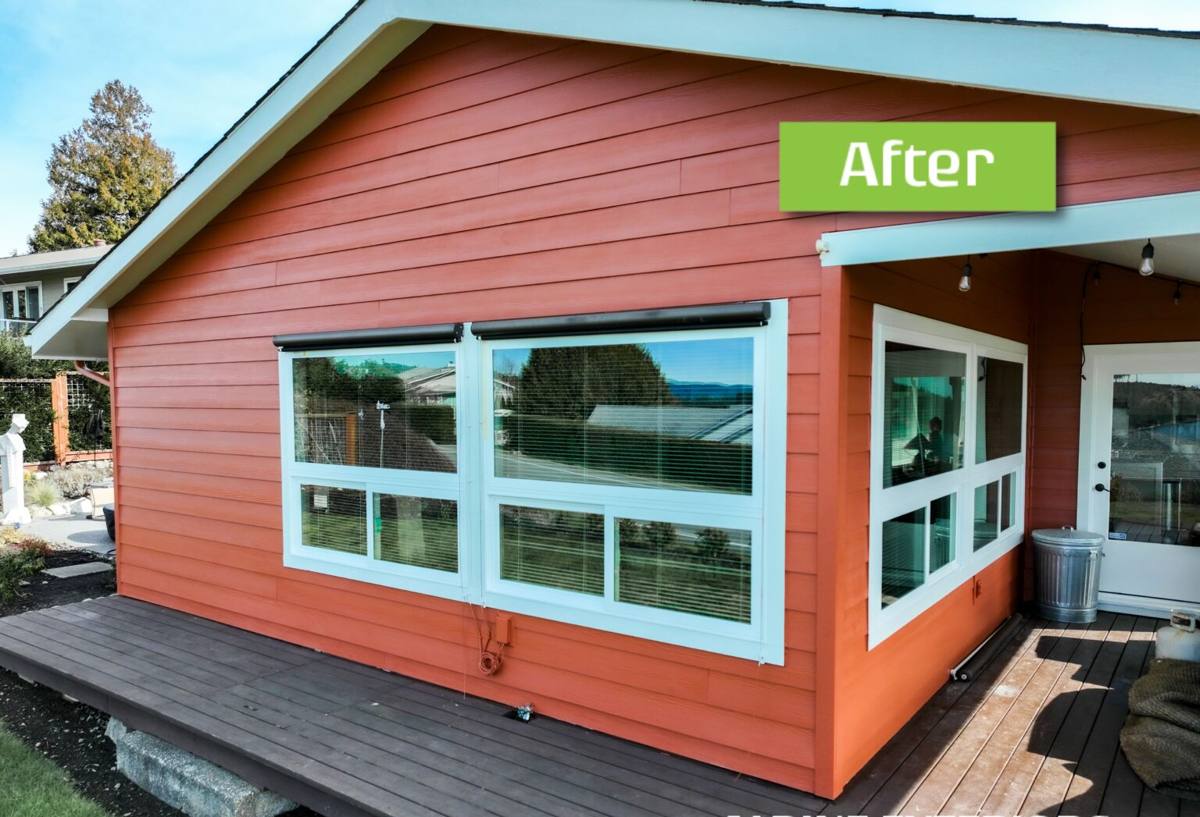
What Local Homes Actually Need From Their Windows
Impact Resistance Built In, Not Bolted On
Coastal Florida's building code requires windows in wind-borne debris regions to either be impact-rated or paired with approved shutters. For most homeowners, impact-rated glass is the simpler long-term answer — it's permanently in place, doesn't require deploying anything before a storm, and holds up to routine wind-driven debris even outside of named storms. Impact glass uses a laminated interlayer that keeps the pane intact under impact, which also happens to cut down on UV transmission and outside noise as a side benefit.
Materials That Tolerate Salt Air
Hardware, fasteners, and frame materials all need to be rated for coastal exposure. Standard-grade hardware that would be fine forty miles inland can start showing corrosion within a couple of years this close to the water. We spec corrosion-resistant fasteners and hardware as standard, not as an upgrade.
Glazing and Frames That Handle UV and Heat
Florida sun is hard on window components. Low-E glass coatings and UV-stable frame materials reduce interior heat gain and slow down the degradation that turns cheap vinyl brittle and yellowed within a handful of years. This matters as much for a home's energy bills as for its curb appeal.
What a Correct Installation Actually Involves
Window failures around here are rarely about the window unit itself — they're almost always about the installation. A well-made window installed with a shortcut in the flashing or sealing sequence will leak, and once water gets behind a wall, the damage is often worse than a bad window would have caused on its own.
Opening Preparation
Every opening gets inspected before the new window goes in. That means checking the rough opening for level and square, confirming the substrate underneath is sound, and addressing any hidden moisture damage from the old window before it gets covered back up. Skipping this step is the single most common source of callback leaks.
Flashing and Water Management
Flashing tape and pan flashing at the sill are installed in a specific shingle-lapped sequence so that any water that does get past the exterior seal is directed back out, not into the wall cavity. This sequence matters more here than in drier climates because wind-driven rain actively pushes water into places gravity alone wouldn't.
Sealing Without Trapping Moisture
Sealant goes where it's supposed to hold water out — and is deliberately left open where it needs to allow any incidental moisture to drain and evaporate. A window sealed solid on every side with no path for trapped moisture to escape will eventually develop hidden rot or mold behind the frame, even though it looks perfectly sealed from the outside.
Fastening to Structural Wind Load
Impact-rated and code-compliant windows are only as strong as their attachment to the structure. Fastener type, spacing, and embedment into structural framing all have to match the window's tested and labeled installation instructions — this is one of the areas building inspectors check closely in coastal wind zones, and for good reason.
Our Installation Process
- Assessment and measurement — we inspect existing openings, check for hidden moisture or structural issues, and take precise measurements for each window.
- Product selection — we go over impact rating requirements, frame material, glazing options, and cost trade-offs so you're choosing with full information.
- Permitting — we handle the permit application and coordinate required inspections so you don't have to chase paperwork.
- Removal and prep — old windows come out, openings are inspected and repaired as needed before anything new goes in.
- Installation — flashing, setting, fastening, and sealing done to the window manufacturer's tested specifications.
- Inspection and cleanup — we walk the job with you, confirm proper operation and seal on every window, and clean up debris and packaging.
Choosing the Right Window for a Clearwater Home
There isn't one "best" window for every house — the right choice depends on the home's exposure, the style of the house, and your budget. Here's how the common options compare for this climate:
| Window Type | Wind/Impact Performance | Maintenance | Typical Fit |
|---|---|---|---|
| Impact-rated single or double-hung | Strong — meets wind-borne debris code without shutters | Low | Most common choice for full replacements |
| Impact-rated sliders | Strong | Low | Wide openings, patios, family rooms |
| Non-impact + code shutters | Adequate if shutters are deployed correctly every time | Higher — shutters need maintenance and deployment | Budget-driven projects, secondary structures |
| Aluminum frame | Strong structurally | Moderate — watch for corrosion at hardware | Homes wanting a slim sightline |
| Vinyl frame (impact-rated) | Strong when properly reinforced | Low | Budget-conscious full replacements |
What Drives the Cost of a Window Installation
Every home is different, but a few factors consistently move the price up or down. Understanding them ahead of time makes it easier to compare quotes apples-to-apples.
| Cost Factor | Why It Matters |
|---|---|
| Impact-rated vs. non-impact glass | Impact glass costs more per unit but often eliminates the need for shutters |
| Number and size of openings | Larger and more numerous windows mean more material and labor |
| Frame material | Vinyl, aluminum, and composite frames carry different price points |
| Condition of existing openings | Hidden rot or structural repair adds time and material before installation can start |
| Permitting and inspection requirements | Coastal wind zones require permits that non-coastal areas may not |
| Disposal of old windows | Hauling and disposal of removed units is part of most full-replacement jobs |
As a broad guideline, expect a wide range depending on these factors — a single-window swap costs far less than a whole-house impact upgrade. We give you a specific number after seeing the actual openings, not a phone estimate.
Permits and Code in a Coastal Wind Zone
Window replacement in this part of Florida is a permitted job in nearly every case, including like-for-like swaps, because the local building code ties window performance to wind-borne debris zone requirements. Inspectors are checking that the specific window model is labeled for the required wind pressure and impact rating, and that it's installed per its tested installation instructions — not just that "a window" is in the hole. We pull the permit and schedule the inspection as part of the job, so it's handled correctly the first time instead of becoming a problem when you go to sell the house.
Signs It's Time to Replace, Not Repair
Not every window problem means a full replacement, but certain signs point strongly in that direction:
- Fogging or condensation between panes on double-glazed windows — the seal has failed and can't be repaired
- Visible corrosion on hardware, tracks, or fasteners
- Windows that are difficult to open, close, or lock properly
- Soft or discolored framing or wall material around the window opening
- Drafts or a noticeable difference in indoor comfort near the window
- Windows that predate current wind-borne debris code requirements for the area
- Rising energy bills without another clear explanation
If you're seeing more than one of these, it's worth having the openings looked at before storm season rather than after a problem shows up mid-storm.
Why a Crew That Already Works Clearwater Matters
Window installation done to code in a coastal wind zone isn't the same job as window installation forty miles inland, and a crew that mostly works inland jobs is more likely to miss a detail that matters here — the right flashing sequence for wind-driven rain, the fastening schedule an impact-rated window actually requires, or the permit and inspection steps local building departments expect. A crew that regularly works in and around the Clearwater area already knows the wind zone requirements, has a working relationship with local permitting, and has seen firsthand what does and doesn't hold up to a Gulf Coast summer of sun, salt, and storms. That familiarity shows up in fewer surprises during the job and fewer problems five years down the road.
If your windows are original to the house, showing their age, or you're simply ready for something more efficient and storm-ready, we're happy to take a look and give you a straightforward, no-pressure estimate. Fill out the form below and we'll get back to you with next steps.