 Tampa Siding
 New-Construction Windows for Hyde Park Homes
Hyde Park sits close to Tampa Bay, which means every window we install here has to earn its keep against sun, salt, and storms. Whether you're building an addition onto a historic bungalow, finishing out a new infill home, or doing a full gut-and-rebuild, the windows going into open framing are a different job than swapping glass into an existing opening. New-construction windows are installed with a nailing fin directly to the sheathing before siding or stucco goes on, which means the installer only gets one shot to get the flashing and water management right before it's covered up for good.
We work new-construction and major-addition jobs throughout Tampa and Hillsborough County, and Hyde Park's mix of older lots with mature landscaping, tight setbacks, and a strong neighborhood aesthetic means the work has to be done cleanly, on schedule with other trades, and without cutting corners that won't show up until the next hurricane season.
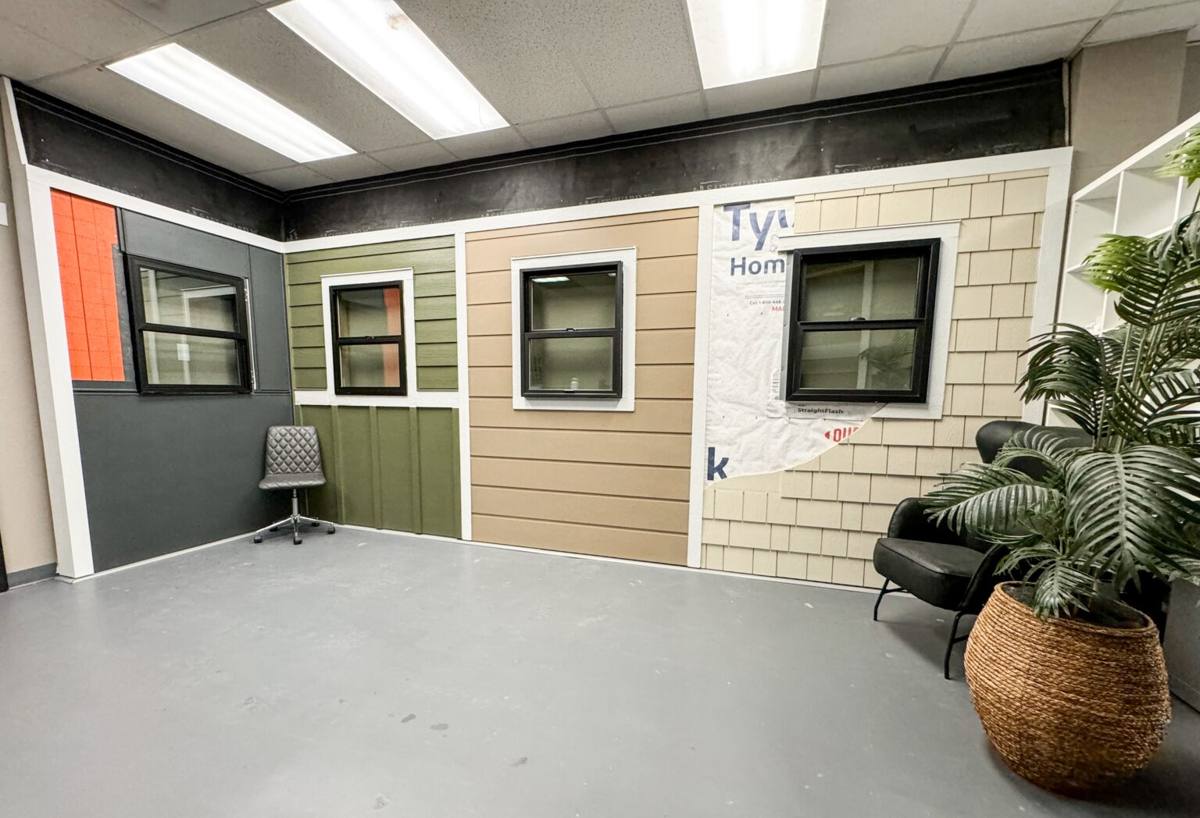
Why New-Construction Windows Are a Different Job Than Replacement
Homeowners often lump "window installation" into one category, but the trade splits into two distinct methods, and using the wrong one costs money and invites water intrusion.
Nail-Fin (New Construction) Windows
These have a flange around the perimeter that gets fastened to the wall sheathing and integrated with the weather-resistant barrier (WRB) and flashing tape before exterior cladding is applied. This is the correct method for open framing, additions, and any wall where the sheathing is exposed.
Pocket (Replacement) Windows
These slide into an existing frame with the exterior finish already in place. They're built for retrofits, not new walls. Installing a pocket window in new framing — or a nail-fin window into a finished wall — is a shortcut that skips proper flashing integration, and it's one of the more common mistakes we get called to fix after the fact.
What Tampa Bay's Climate Demands from a New Install
Hillsborough County's exposure isn't hypothetical — it shapes every material and installation decision on the job.
- Hurricane-force wind and windborne debris: Windows here need to meet Florida Building Code wind pressure and impact requirements for our county's design wind speed, not a generic national standard.
- Intense, year-round UV: Vinyl frames, glazing seals, and low-E coatings all break down faster under Florida sun than they would in a milder climate, so product selection matters as much as installation.
- Wind-driven rain: Tampa's storms don't just fall straight down — rain gets pushed sideways into wall assemblies, which is why flashing sequencing (not just caulk) is what actually keeps water out.
- Salt air: Hyde Park's proximity to the bay means hardware, fasteners, and frame components corrode faster than they would further inland. Corrosion-resistant hardware isn't optional this close to the water.
Any one of these factors on its own is manageable. Together, they're why a new-construction window package for a Hyde Park build should be specified for coastal Florida conditions from the start, not upgraded later after a problem shows up.
Code Compliance for Hillsborough County
New-construction windows in our area have to satisfy the Florida Building Code's wind-borne debris and structural requirements for Hillsborough County's design wind speed, along with energy code limits on U-factor and solar heat gain coefficient (SHGC). Bedrooms and other habitable rooms also have egress size and sill-height rules that affect which window styles and sizes are even permitted in a given opening. We pull the required permits, and every window we install carries the Florida Product Approval or Miami-Dade NOA documentation the county requires for inspection sign-off. If you're working with a builder or architect, we coordinate directly with them so the window schedule matches what's been submitted for permit.
Frame Material Comparison
There's no single "best" frame material — it depends on budget, the home's style, and how much long-term maintenance you want to take on. Here's how the common options stack up for a coastal Tampa build:
| Frame Material | Coastal Durability | Maintenance | Typical Fit |
|---|---|---|---|
| Vinyl | Good; won't rust or rot, can discolor under prolonged UV | Low | Budget-conscious new builds, additions |
| Aluminum | Strong structurally, needs a quality finish to resist salt corrosion | Low to moderate | Modern builds, larger openings |
| Fiberglass | Excellent; stable in heat and humidity, resists warping | Low | Higher-end new construction, historic-style trim |
| Wood-clad | Requires diligent upkeep near salt air | High | Historic-district aesthetics where matching original trim matters |
Given Hyde Park's historic character in some pockets, we also help homeowners choose profiles and grille patterns that read as period-appropriate on the outside while using modern, code-compliant glass and hardware on the inside.
What Correct Installation Actually Involves
The window unit itself is only part of the job. Most window failures we're called to repair trace back to the installation, not the product. A correct new-construction install follows this sequence:
- Verify the rough opening is square, level, and sized correctly before the window ever arrives on site.
- Install the weather-resistant barrier and integrate it with a proper drainage plane.
- Apply sill pan flashing so any water that gets past the window has a path back out, not into the wall cavity.
- Set the window, shim it plumb and square, and fasten it per the manufacturer's approved schedule.
- Flash the head, jambs, and fin in the correct shingle-lap order so water always sheds outward and downward.
- Seal and insulate the gap between the frame and rough opening without over-packing it, which can bow the frame.
- Install exterior trim or stucco stop, then confirm operation and code-required labeling before cover-up.
Skipping or reordering any of these steps is how a window that looks fine on install day ends up leaking two rainy seasons later.
How We Work on Hyde Park Job Sites
New-construction window installs happen on someone else's timeline — usually a builder's or general contractor's — which means the window crew has to show up ready and keep the schedule moving. Our process:
- Confirm the window schedule against approved plans and permit documents before ordering.
- Coordinate delivery and staging around the framing and dry-in schedule so units aren't sitting exposed or in the way of other trades.
- Install using the sequence above, with photos of flashing and pan work before it's covered by siding or stucco — useful documentation for both the homeowner and the building inspector.
- Be available for the required rough-in and final inspections without holding up the rest of the build.
- Do a final walkthrough on operation, hardware, and weatherstripping before the crew leaves the site.
Because we work regularly in this part of Tampa, we're familiar with Hillsborough County's inspection process and the kind of scheduling coordination that historic and infill lots in Hyde Park tend to require — narrow access, tree protection, and close-set neighboring homes all factor into how we stage a job.
What Drives Cost on a New-Construction Window Job
| Factor | How It Affects Cost |
|---|---|
| Frame material | Vinyl is typically the most affordable; fiberglass and clad-wood cost more upfront |
| Impact rating | Impact-rated glass adds cost per unit but can reduce or eliminate the need for separate shutters |
| Opening size and quantity | Larger openings and specialty shapes (arched, oversized) cost more than standard sizes |
| Number of window styles | Mixing casement, single-hung, and picture windows adds complexity versus a uniform style |
| Site access and staging | Tight Hyde Park lots with limited driveway or crane access can add labor time |
| Trim and exterior detailing | Historic-style trim profiles take more time than standard stucco-stop finishes |
We give homeowners and builders a firm, itemized quote after reviewing the window schedule and site conditions — we don't work off vague per-window averages, because the factors above genuinely move the number.
Homeowner and Builder Checklist
- Confirm window sizes and styles match the approved permit set before ordering.
- Verify the wind and impact rating specified meets Hillsborough County's Florida Building Code requirements for your address.
- Ask for written confirmation of Florida Product Approval or NOA numbers for each window model.
- Check that flashing and sill pan work will be photographed before it's covered by siding or stucco.
- Confirm who is responsible for coordinating the rough-in and final inspections.
- Ask about hardware finish and corrosion resistance if the lot is near the bay.
Why a Local Crew Matters for This Job
New-construction window installation isn't forgiving — the flashing gets covered up, and by the time a leak shows up, it's a tear-out job, not a caulk fix. A crew that regularly works Tampa new-builds knows the Hillsborough County inspection process, understands what our wind exposure and salt air actually do to hardware and seals over time, and won't need a learning curve on your job site. For a neighborhood like Hyde Park, where lots are tight and the finished exterior needs to look right, that familiarity saves time and rework for everyone on the build.
If you're framing an addition, finishing new construction, or planning a window package for a Hyde Park build, we're happy to walk the plans with you and provide a free, no-pressure estimate — just fill out the form below.