 Tampa Siding
 Siding Installation in Hyde Park: What This Neighborhood Actually Needs
Hyde Park is one of Tampa's older, most established neighborhoods — a mix of early-to-mid-20th-century homes, mature oak canopy, and a location close enough to Hillsborough Bay and Tampa Bay that the water shapes almost every exterior decision homeowners make. Siding installation here isn't a one-size-fits-all job. Older wood-frame construction, decades of prior repairs and repaints, tree cover that keeps some walls damp longer than others, and a historic streetscape that homeowners care about all factor into what "correct" looks like on a Hyde Park house.
A crew that treats Hyde Park like any other Tampa street misses these details. This page walks through what the climate does to siding in this neighborhood, what a correct installation actually involves, and why we install one product — James Hardie fiber cement — on every home we take on here.
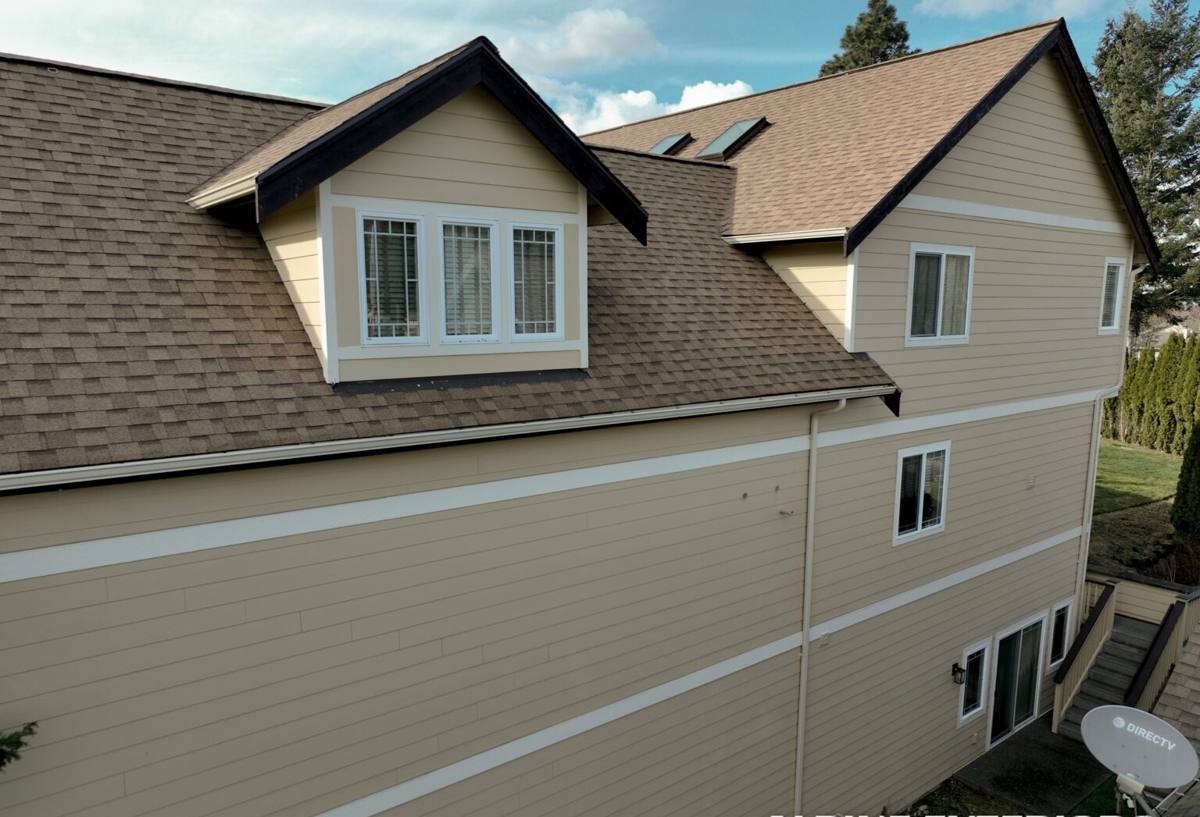
Why Hyde Park's Climate and Setting Are Hard on Siding
Tampa Bay's climate is tough on exterior materials everywhere in Hillsborough County, but Hyde Park's proximity to open water adds an extra layer of wear that inland neighborhoods don't deal with as much.
Wind and Storm Exposure
Hurricane-force and tropical-storm-force winds are a recurring reality for Tampa, and homes near the bay catch gusts with less obstruction than homes further inland. Siding that isn't fastened to manufacturer spec — or that's made from a material prone to cracking, delaminating, or blowing off in sustained wind — becomes the first thing torn loose in a storm, and once siding fails, the wall assembly behind it is exposed to wind-driven rain.
Wind-Driven Rain and Moisture
Wind-driven rain doesn't just fall — it's pushed sideways into wall assemblies, seams, and trim joints. On older Hyde Park homes, this moisture load meets original framing and, in many cases, layers of past repairs and paint. Siding and flashing details that don't shed water correctly let moisture track behind the cladding, where it can sit against wood sheathing and framing for long stretches, especially on shaded, tree-covered walls that dry slowly.
UV and Salt Air
Tampa gets intense, close-to-year-round UV exposure, which breaks down paint films and some siding coatings faster than homeowners expect. Add the salt air that drifts inland from the bay, and you get accelerated fading, chalking, and corrosion of fasteners and trim — a combination that hits homes near the water noticeably harder than homes ten or fifteen miles inland.
What Correct Siding Installation Actually Involves
Siding is a system, not just a board. Getting the boards right and the system wrong is how homes end up with moisture damage five years after a "new" siding job.
Water-Resistive Barrier and Drainage Plane
Behind every board there needs to be a continuous water-resistive barrier, properly lapped so water sheds downward and outward rather than working its way behind the siding. On homes with existing moisture issues from age or prior repairs, this layer has to be installed correctly, not just reused if it's compromised.
Flashing at Every Penetration
Windows, doors, hose bibs, light fixtures, vents — every penetration in the wall is a place water can find its way in if it isn't flashed correctly. This is where a lot of installation shortcuts show up, and it's exactly where wind-driven rain finds the weak point during a storm.
Fastening and Clearances
Fastener type, spacing, and placement all have to match the manufacturer's installation instructions for the wind zone the home sits in. Siding also needs proper clearance from grade, roof lines, and decking so it isn't sitting in standing water or trapped moisture — a detail that matters on older lots where grading has shifted over the decades.
James Hardie Fiber Cement: The Product We Install
We install James Hardie fiber cement siding exclusively. We don't install vinyl, LP SmartSide, Cemplank, Allura, or primed wood species like spruce or cedar. That's a deliberate standard, not a sales preference, and it comes down to how these materials hold up under the specific stresses described above.
Vinyl can soften, warp, or crack under sustained UV and heat, and it isn't a structural cladding — it flexes with wind rather than resisting it, which matters in a hurricane-exposed neighborhood. Wood-based products, including engineered wood and primed cedar or spruce, depend heavily on an intact paint film and perfect field-cut sealing to resist moisture; any lapse in maintenance in a humid, wind-driven-rain climate shortens their life. Other fiber cement brands may perform reasonably, but we've standardized on James Hardie for consistency of formulation, factory finish quality, and the manufacturer's long track record and support in Gulf Coast climates specifically.
James Hardie's HardiePlank and HardiePanel products in the HZ5 formulation are engineered for humid, high-moisture climates like Florida's. The fiber cement itself is non-combustible, resists cracking from moisture cycling, and holds paint and factory finish far longer under UV exposure than wood-based alternatives. ColorPlus factory-applied finish is baked on under controlled conditions, giving more consistent, longer-lasting color than field-applied paint — a real advantage against Tampa's UV load.
Comparing Siding Materials for a Hyde Park Home
The table below lays out the practical trade-offs homeowners are actually weighing, without the marketing spin.
| Factor | Vinyl Siding | Wood / Engineered Wood | James Hardie Fiber Cement |
|---|---|---|---|
| Wind resistance | Flexes, can crack or blow off in high wind | Rigid but fastener pull-out risk over time | Rigid, rated for high wind zones when installed to spec |
| Moisture behavior | Won't rot but traps moisture behind panels | Absorbs moisture; prone to swelling and rot if compromised | Engineered for humid climates; doesn't rot |
| UV / fade resistance | Fades and chalks over time | Paint film fails under sustained UV | Factory ColorPlus finish holds color longer |
| Maintenance | Low, but damage often means full-panel replacement | Regular repainting and caulking required | Periodic caulk/paint touch-up on standard finish; longer intervals with ColorPlus |
| Fire resistance | Combustible | Combustible | Non-combustible core material |
Working Within Hyde Park's Historic Character
A lot of Hyde Park's appeal is its historic streetscape, and many homes here sit within Tampa's Hyde Park Historic District, where exterior changes can be subject to architectural review. That doesn't mean siding replacement is off the table — it means the plank profile, exposure width, trim details, and color need to respect the home's original architectural style rather than defaulting to whatever's fastest to install.
James Hardie's product lines include a range of plank widths, textures, and trim profiles that can match traditional bungalow, colonial revival, and Mediterranean revival details found throughout the neighborhood. Getting this right up front avoids the headache of a mismatched replacement job that stands out for the wrong reasons on a historic block.
How Our Installation Process Works
- On-site inspection of existing siding, trim, and wall assembly, including any moisture or rot found during tear-off.
- Removal of old siding and inspection of sheathing, with repair of any damaged framing or sheathing before new material goes on.
- Installation of a continuous, properly lapped water-resistive barrier over the entire wall.
- Flashing of all windows, doors, and penetrations before any siding is hung.
- Installation of James Hardie planks or panels to manufacturer fastening specifications for our wind zone, with correct clearances at grade and roof lines.
- Trim, caulking, and finish work, followed by a final walkthrough with the homeowner.
Signs Your Hyde Park Home May Need New Siding
- Visible cracking, buckling, or warping in siding boards or panels
- Soft spots or give when pressing on siding near the bottom of walls
- Paint that's peeling, bubbling, or failing faster than it used to
- Staining or discoloration that suggests water tracking behind the siding
- Gaps opening up around trim, windows, or corner boards
- Visible fastener corrosion or streaking, especially on walls facing the water
- Siding that's original to a home built decades ago and has never been replaced
Why a Local Tampa Crew That Knows Hyde Park Matters
A crew that works Hyde Park regularly already understands the age and construction quirks common to homes in this part of Tampa, knows what to expect when tear-off exposes older framing, and is used to working carefully around mature trees, tight lots, and a streetscape where curb appeal and architectural consistency matter to homeowners and neighbors alike.
That local familiarity also means faster, more accurate estimates — less guesswork about what's likely hiding behind the existing siding, and a clearer sense of which James Hardie profiles and colors will actually look right on a given home. For a neighborhood this close to the water, it also means a crew that installs to the wind and moisture standards this exposure actually demands, every time, not just when it's convenient.
If you're planning a siding project for a Hyde Park home, we're happy to take a look and walk you through what we'd recommend — no pressure, no obligation. Use the form below to request a free estimate.