 Tampa Siding
 Windows Built for Land O' Lakes, Not Just "Florida"
Land O' Lakes sits just north of Tampa, close enough to the Gulf to feel everything the Tampa Bay climate throws at a house, but far enough inland that homeowners sometimes assume they're off the hook for storm-grade construction. They're not. Hurricane-force winds, wind-driven rain, and months of intense UV exposure reach this area every year, and older or builder-grade windows tend to show the wear long before the frame itself gives out. Replacing windows here isn't just a cosmetic upgrade — it's one of the more direct ways to protect a home's interior, its energy bills, and its resale value.
This page covers what actually matters when replacing windows on a Land O' Lakes home: what the climate does to windows over time, what a correctly done replacement involves, how our process works, and why local experience changes the outcome.
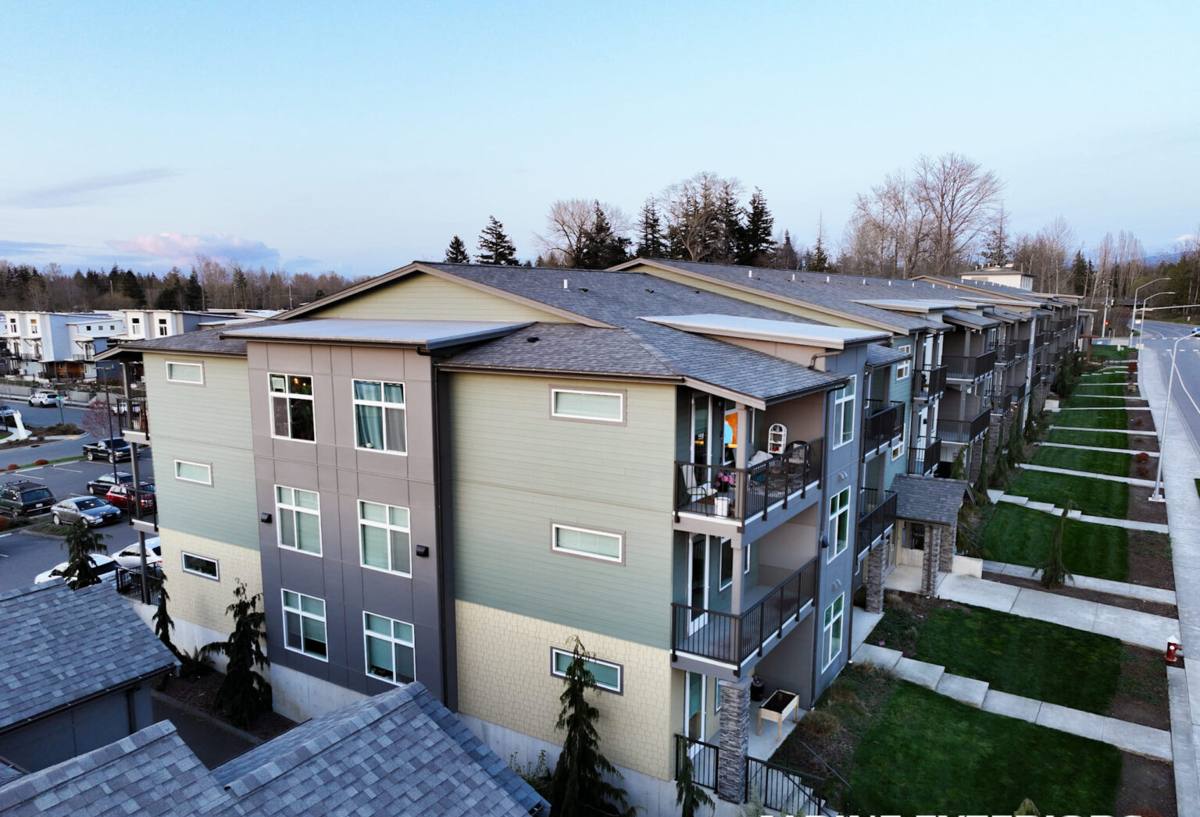
What the Tampa Bay Climate Does to Windows Over Time
UV and Heat
Florida sun is relentless on window components most homeowners never think about — vinyl frames, weatherstripping, and low-E coatings all degrade under sustained UV exposure. Frames can warp or discolor, seals lose their flexibility, and glass coatings that once blocked solar heat gradually lose effectiveness. The result is a window that looks fine from the curb but is quietly letting more heat into the house and costing more to cool every summer.
Wind-Driven Rain and Humidity
Afternoon storms in this part of Florida rarely come straight down — wind pushes rain sideways into window frames and seams. Once a seal starts to fail, water finds its way behind trim and into wall cavities, which in Florida's humidity means mold and rot risk, not just a stained sill. This is one of the most common issues we find on older homes: damage that started at a window and spread well beyond it before anyone noticed.
Wind Load and Storm Pressure
During hurricanes and strong tropical systems, windows take direct pressure from sustained wind and the risk of wind-borne debris. Older single-pane or non-rated windows can flex, crack, or fail under that pressure, and a single failed window during a storm changes the pressure inside the whole house — which is how roofs and other openings get compromised. Florida Building Code sets wind-load standards for this reason, and homes in the Land O' Lakes area should be built to meet them, not just whatever standard was in place decades ago when the house was built.
Signs Your Windows Are Due for Replacement
- Visible fogging or a milky haze between panes (a sign the seal has failed and the insulating gas is gone)
- Windows that feel warm to the touch on the inside during summer afternoons
- Drafts or a noticeable temperature difference near the window, even when closed
- Wood or composite frames that are soft, discolored, or show bubbling paint
- Difficulty opening, closing, or locking — frames that have warped out of square
- Noticeably higher cooling bills without another clear explanation
- Condensation forming on the inside of the glass regularly
- Visible gaps, cracked caulk, or daylight showing around the frame
Any one of these on its own might not mean full replacement is urgent. Several together, especially on windows original to an older home, usually means the frames and seals have reached the end of their useful life.
Choosing the Right Window for This Climate
Not every window sold as "hurricane" or "energy efficient" performs the same way once it's actually installed in a house that faces Gulf storms and year-round humidity. Frame material, glass package, and installation quality all matter, and they interact with each other.
| Frame Material | How It Handles This Climate | Trade-Offs |
|---|---|---|
| Vinyl | Good insulation, won't rot or rust, handles humidity well | Can expand/contract with heat; quality varies a lot by manufacturer |
| Aluminum | Strong, slim sightlines, historically common in Florida | Conducts heat, so it typically needs a thermal break to perform well here |
| Fiberglass | Very stable in heat and humidity, holds paint well | Higher upfront cost than vinyl |
| Wood / wood-clad | Classic look | Higher maintenance burden in humid, storm-prone conditions; not our default recommendation for this climate |
We don't push wood-frame windows on Land O' Lakes homes as a first choice, not because wood is a bad material everywhere, but because it demands a level of ongoing sealing and maintenance that doesn't hold up well against Gulf humidity and driving rain without a lot of upkeep. For most homes here, a quality vinyl or fiberglass frame with the right glass package delivers better long-term performance for less maintenance.
Glass Packages Matter as Much as the Frame
Low-E coatings reduce solar heat gain, which matters more here than in almost any other climate consideration. Impact-rated laminated glass adds a layer of protection against wind-borne debris and can reduce reliance on separate shutters. The right combination depends on the home's orientation, sun exposure, and whether it currently uses shutters or panels for storm prep.
Impact Windows vs. Standard Windows with Shutters
Homeowners in this area generally choose one of two approaches to storm protection at the window: impact-rated glass built into the window itself, or standard windows paired with separate shutters or panels. Both can meet code when installed correctly — the right choice comes down to budget, how often you want to deal with storm prep, and daily livability.
| Factor | Impact-Rated Windows | Standard Windows + Shutters |
|---|---|---|
| Storm-day effort | None — protection is built in | Requires installing panels/shutters before each storm |
| Upfront cost | Higher per window | Lower window cost, but shutters add their own expense |
| Everyday appearance | Normal, unobstructed view at all times | Clear view until shutters go up |
| Noise and UV reduction | Better, even outside of storm season | No added benefit day-to-day |
| Long-term maintenance | Frame and glass only | Shutters/panels need their own upkeep and storage |
General cost ranges for this area typically run from the low-to-mid hundreds per window for standard vinyl replacements up to well over a thousand per window for larger or impact-rated units — actual pricing depends on size, glass package, and how many openings you're doing at once. We'll give you real numbers after seeing the home, not a guess over the phone.
What a Correct Window Replacement Actually Involves
A window replacement is more than popping out an old unit and setting in a new one. Done right, it addresses everything around the opening, not just the glass and frame.
Inspecting What's Behind the Old Window
Before anything goes in, we check the framing and sill for water damage, rot, or prior repair work that was never done correctly. In a humid climate, this step catches problems that would otherwise get sealed up and hidden behind a brand-new window — which just delays a bigger repair.
Proper Flashing and Sealing
Most window failures we see aren't glass failures — they're installation failures. Flashing that wasn't lapped correctly, or sealant used in place of proper flashing, lets wind-driven rain behind the frame no matter how good the window itself is. This is the step that separates a window that lasts fifteen-plus years from one that starts leaking in three.
Matching the Window to the Opening and the Code
Replacement windows need to fit the existing opening correctly, or the opening needs to be modified properly — not forced. They also need to meet the wind-load and, where applicable, impact standards required for the home's location under Florida Building Code. We confirm what applies to your specific address before ordering anything.
Our Process for Land O' Lakes Homeowners
- Free on-site assessment — we look at every window being considered, check framing condition, and talk through what's actually needed versus what's optional.
- Straightforward quote — options broken down by frame material, glass package, and impact rating, with honest trade-offs explained, not just upsold.
- Permitting — window replacement in Florida typically requires a permit; we handle that process rather than leaving it on the homeowner.
- Removal and inspection — old units come out carefully, and we check the opening before anything new goes in.
- Installation — proper flashing, sealing, and fastening to manufacturer and code specifications.
- Final walkthrough — every window operated, checked, and cleaned up before we consider the job done.
Why Local Experience in Land O' Lakes Matters
A crew that regularly works homes in and around Land O' Lakes and the greater Tampa area already knows how local permitting works, what inspectors here typically look for, and how different neighborhoods and home vintages tend to be built. That familiarity cuts down on delays and surprises. It also means we're not guessing at how a product will hold up in this specific climate — we're basing recommendations on what we've actually seen perform, and what we've seen fail, on homes just like yours in this part of Florida.
Local presence matters after installation too. If a question comes up down the road — a seal that needs a look, a question about storm prep — you're calling a crew that's still working in your area, not chasing down a company that only passed through once.
Keeping New Windows Performing Long-Term
- Rinse frames and tracks periodically to clear salt air residue and dust that can wear down seals
- Check and clean weep holes so water drains properly instead of pooling
- Inspect exterior caulking annually, especially after storm season, and touch up as needed
- Operate every window a few times a year, even ones you rarely open, to keep hardware from seizing
- Watch for condensation between panes — it's an early warning sign of seal failure, not just a cosmetic issue
If your windows are original to the house, showing wear, or you're just not confident they'd hold up in the next big storm, we're happy to take a look. Estimates are free and there's no pressure — we'll tell you honestly what we see and what your real options are.