 Tampa Siding
 Composite Decking Built for New Tampa's Climate
New Tampa sits far enough from the bay to avoid the worst of direct salt spray, but it still gets everything else Hillsborough County's climate throws at an outdoor structure: long stretches of intense UV, heavy afternoon thunderstorms most of the summer, high humidity almost year-round, and the occasional run-in with tropical storm or hurricane winds. A deck out here isn't a seasonal amenity — it's used ten months a year, which means the materials and the installation both have to hold up to constant sun exposure and repeated wet-dry cycles without cupping, fading, or loosening at the fasteners.
Composite decking exists specifically to handle that kind of use. Unlike a wood deck, it doesn't rely on paint or stain to keep water out, and it doesn't shrink and swell the way lumber does when Tampa's humidity swings from a soaked morning to a bone-dry afternoon. Done right, it's one of the lower-maintenance ways to add usable outdoor living space to a New Tampa home — but "done right" is doing a lot of work in that sentence, and a lot of the decks we get called to repair were installed without accounting for how this climate actually behaves.
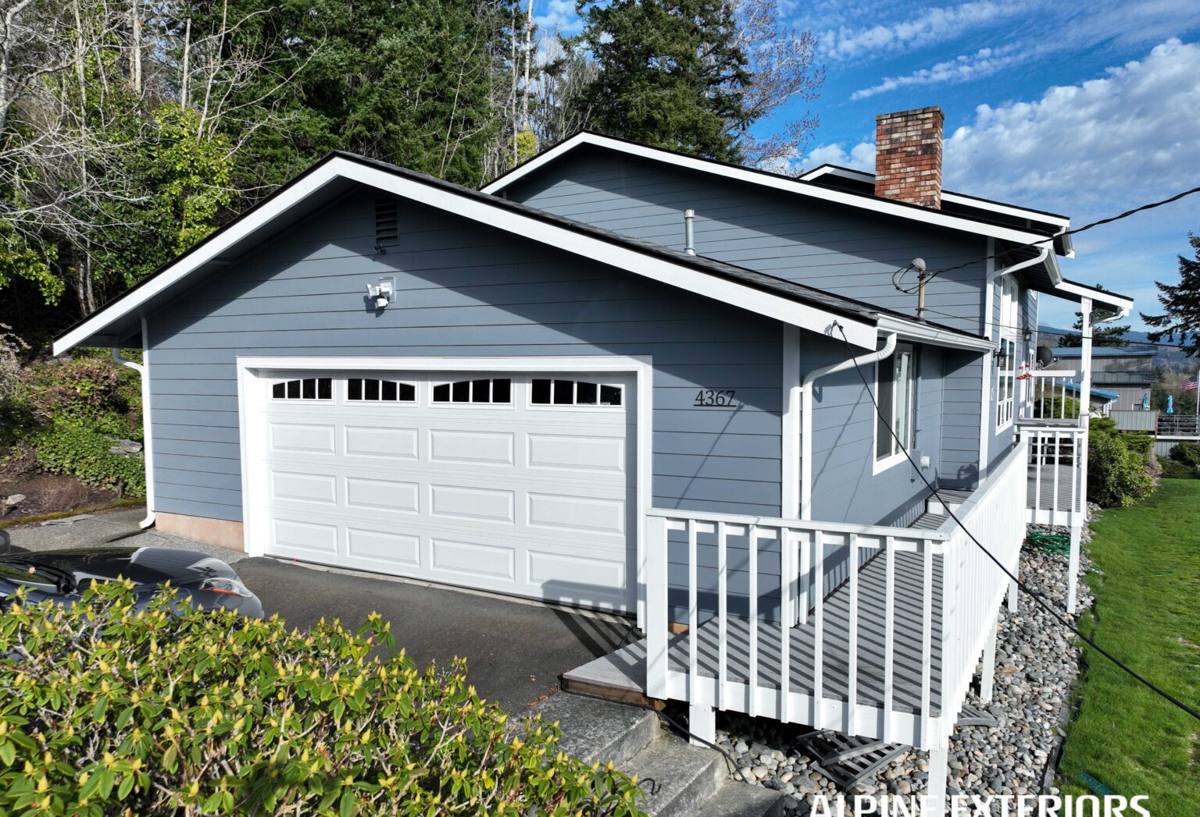
What Correct Composite Decking Installation Actually Involves
Composite boards are only as good as the structure underneath them. Most of the problems we see in older or poorly installed decks aren't the decking material failing — they're the substructure, flashing, or fastening that was never suited to Florida conditions in the first place.
The Substructure
Composite boards are heavier than wood and need tighter joist spacing to prevent sagging over time, especially with wide board profiles. We build to the manufacturer's joist-spacing specs for the specific board being installed, not generic lumber-deck spacing, and we use pressure-treated or, where budget allows, composite substructure to keep the framing from becoming the weak point under a low-maintenance surface.
Ledger Board Flashing
Where a deck attaches to the house, the ledger board connection is the single most common source of hidden water damage. Wind-driven rain during Tampa's summer storms doesn't fall straight down — it gets pushed sideways into any gap in the flashing. We flash ledger connections with a proper water-resistant barrier and drip edge so moisture is directed away from the house framing instead of behind the siding.
Fasteners and Hidden Clips
Composite boards expand and contract with heat more than people expect, especially on a deck that sits in full New Tampa sun most of the day. Fastening systems need to allow for that movement — hidden clip systems rated for the specific board profile, spaced correctly, with stainless or coated fasteners that won't corrode in humid, wet conditions.
Ventilation Underneath
A composite deck built low to the ground or over a slab without adequate airflow traps moisture underneath, which can lead to mold and mildew on the underside of the boards and around framing connectors even though the top surface looks fine. We build in ventilation gaps and drainage slope so water moves off the site instead of sitting under the deck.
Choosing the Right Composite Board for This Climate
Not all composite decking is built the same, and the differences matter more in Florida than they do in a drier, milder climate. The biggest distinction is between capped and uncapped composite.
| Decking Type | UV & Fade Resistance | Moisture Behavior | Maintenance |
|---|---|---|---|
| Capped composite | High — polymer shell resists fading under constant sun | Shell sheds water; core stays protected | Occasional soap-and-water cleaning |
| Uncapped composite | Moderate — can fade and chalk faster in intense UV | More prone to surface moisture absorption over time | Periodic cleaning, more attention needed at cut ends |
| PVC decking | High — synthetic, no wood fiber to fade | Fully moisture-resistant, no organic material to retain water | Low, but can run hotter underfoot in direct sun |
| Pressure-treated wood | Low — fades and grays without regular refinishing | Absorbs and releases water constantly; prone to warping | Annual sealing/staining recommended |
For most New Tampa homes, capped composite is the sweet spot: it holds color well under the area's near-constant UV load, sheds wind-driven rain instead of absorbing it, and doesn't need the yearly sealing that a wood deck demands. PVC is worth discussing for pool decks or fully shaded areas where heat retention underfoot is a bigger concern than budget. We'll walk through the honest trade-offs for your specific yard and sun exposure rather than pushing one product line — the right choice depends on how much direct sun the deck gets, how it'll be used, and what you want to spend on upkeep long-term.
New Tampa-Specific Considerations
New Tampa is largely made up of newer, master-planned communities, and many of those neighborhoods have HOA architectural guidelines that cover exterior additions like decks — board color, railing style, and sometimes footprint or height. We factor that into the design conversation up front so you're not stuck redoing work after the fact.
Beyond HOA rules, a few things come up often in this part of Hillsborough County:
- Pool and lanai decks: Many New Tampa homes have a screened lanai or pool area where composite decking ties into existing pavers or concrete — transitions need to be planned for proper drainage, not just visual match.
- Elevated decks: Homes with a walkout basement-style grade or a raised patio need engineered footings and railing that meet Florida Building Code height and load requirements.
- Drainage across the yard: Florida's heavy summer downpours mean a deck's footing and grading has to move water away from the house foundation, not toward it.
- Permitting: Hillsborough County requires permits for most new deck construction and significant deck replacements. We handle permitting as part of the job so you're not navigating that process yourself.
How Our Process Works
- On-site assessment: We look at sun exposure, existing structure (if replacing a deck), drainage, and how the space will actually be used.
- Material walkthrough: We go over board options, color, and railing choices against your budget and HOA requirements if applicable.
- Permitting: We pull the required Hillsborough County permit and schedule inspections as needed.
- Demolition (if replacing): Old decking and any compromised framing is removed and hauled off.
- Substructure build: Framing, ledger flashing, and footings are built or reinforced to spec before a single composite board goes down.
- Decking installation: Boards are installed with the correct fastening system, spacing for thermal movement, and proper cutting at edges and around posts.
- Railing and finish work: Railings, stairs, and trim are installed and inspected for level, code compliance, and appearance.
- Final walkthrough: We review the finished deck with you and go over basic care before we consider the job done.
Maintaining a Composite Deck in Tampa's Climate
Composite decking cuts maintenance dramatically compared to wood, but "low-maintenance" isn't "no-maintenance," especially with the pollen, humidity, and organic debris common in this area.
- Rinse or sweep the deck regularly to keep leaves, pollen, and organic debris from sitting on the surface, especially in shaded spots where mildew can develop.
- Wash with soap and water (or a cleaner approved for composite decking) a few times a year to prevent surface buildup and mildew staining.
- Keep gutters and downspouts nearby clear so runoff doesn't pour directly onto or under the deck during heavy summer storms.
- Check railing connections and fastener points annually for any looseness after storm season.
- Trim back plants and landscaping that trap moisture against the deck's edges or underside.
- Inspect the underside airflow area periodically to make sure ventilation gaps haven't been blocked by mulch, debris, or landscaping changes.
What Composite Decking Costs and What Drives the Price
Composite decking costs more upfront than pressure-treated wood but less over the life of the deck once you factor out annual staining and repairs. Exact pricing depends on square footage, board tier, and site conditions, but the main cost drivers are consistent from project to project.
| Cost Factor | Why It Matters |
|---|---|
| Board tier (capped vs. uncapped vs. PVC) | Higher-end capped boards and PVC cost more per square foot but need less upkeep and hold color longer under Tampa sun |
| Substructure condition | New framing, footings, or ledger repair adds cost but is not optional if the existing structure is undersized or damaged |
| Deck height and railing | Elevated decks require engineered railing and stairs, which adds labor and material |
| Site access and layout | Complex shapes, multiple levels, or tight yard access increase labor time |
| Permitting and inspections | Required by Hillsborough County for most deck work; built into project timeline and cost |
We provide a written estimate that breaks these factors down so you know what you're paying for, not just a single lump number.
Why Hire a Crew That Already Works in New Tampa
A lot of deck problems we get called to fix trace back to a crew that built for a different climate — spacing joists like it's a dry mountain town, skipping ledger flashing because it "usually doesn't rain that hard," or using fasteners that corrode within a couple of seasons in Florida humidity. Working regularly in New Tampa and the surrounding Hillsborough County area means we're already familiar with local permitting requirements, common HOA design standards, typical lot drainage patterns, and how hard this climate actually is on exterior structures — hurricane-force wind events included. That familiarity shows up in fewer surprises during the project and fewer callbacks after it.
If you're considering a new composite deck or replacing an aging wood deck in New Tampa, we're happy to take a look at your space, talk through honest material options, and give you a straightforward written estimate — no pressure, no upsell script. Use the form below to request a free estimate and we'll get back to you to schedule a time to come out.