 Tampa Siding
 Why Plant City Homes Need Energy-Efficient Windows
Plant City sits inland from Tampa Bay in eastern Hillsborough County, but "inland" doesn't mean "mild." Homes here still deal with long, humid summers, a punishing amount of direct sun most of the year, and the kind of afternoon thunderstorms that roll through almost daily from June through September. Add in the occasional tropical system pushing hurricane-force wind gusts across the county, and your windows are doing a lot more work than most homeowners realize.
Older windows — especially single-pane aluminum units common in homes built decades ago — weren't designed for this. They let heat radiate straight through the glass, they leak conditioned air around worn weatherstripping, and constant UV exposure breaks down seals, glazing, and finishes faster than in cooler, drier climates. The result is an air conditioner that runs harder than it should, uneven temperatures room to room, and utility bills that creep up every summer.
Energy-efficient replacement windows address all of that at once: better glass, tighter seals, and frame materials built to hold up in Florida heat and humidity year after year.
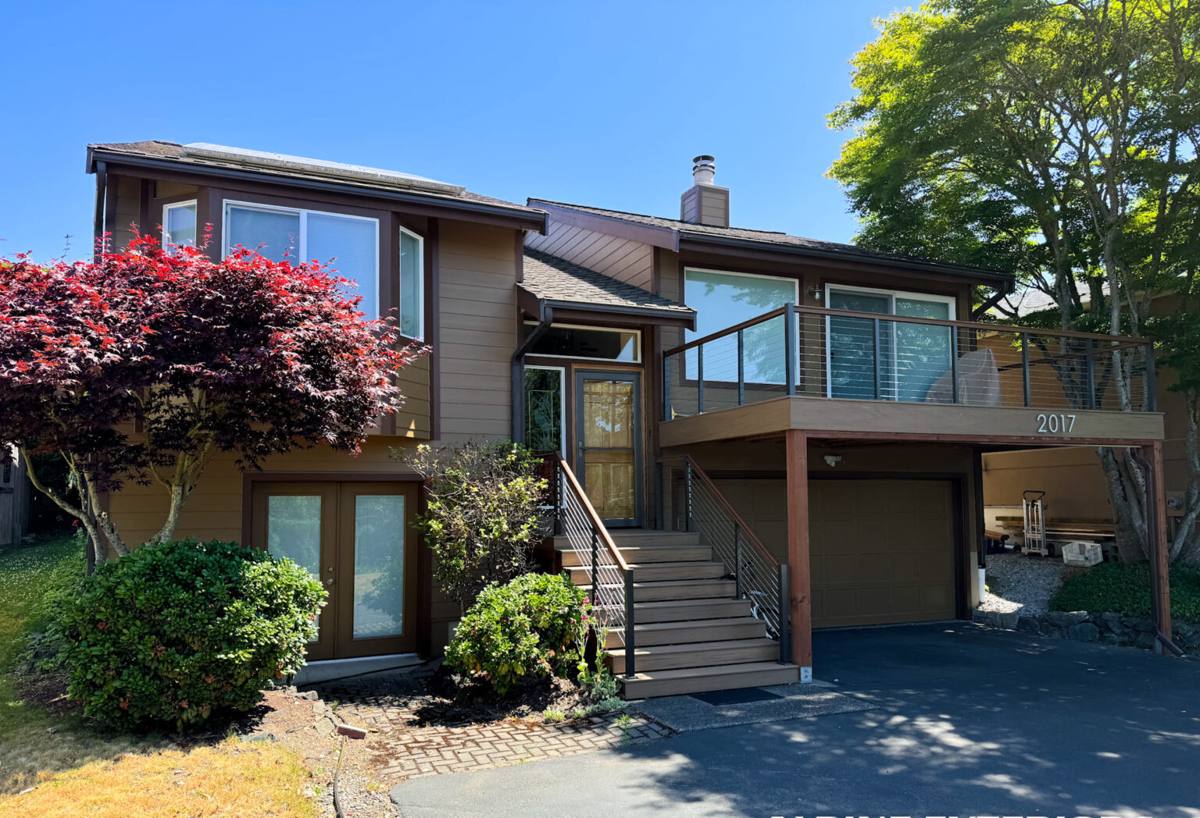
How Hillsborough County's Climate Shapes the Right Window Choice
Not every "energy-efficient" window sold nationally is a good fit for a Plant City home. What matters here is how a window performs under specific local stress: heat load, humidity, and wind.
Wind and Storm Exposure
Plant City doesn't take direct storm surge the way coastal Hillsborough neighborhoods do, but it is well within range of hurricane-force wind gusts and wind-driven rain during tropical systems. Windows need frames and installation methods rated to handle that pressure without flexing, and glazing or shutters rated for wind-borne debris in the areas where local code requires it. A window that looks fine on a calm day but wasn't properly anchored or flashed is where storm damage and water intrusion actually start.
Humidity and Condensation
Florida's humidity puts extra demand on window seals and frame materials. Poorly sealed or aging windows let humid outside air meet cool indoor air at the glass, leading to condensation, and over time, wood rot around frames or mold growth in wall cavities. The right glass package and a properly sealed frame keep that moisture where it belongs — outside.
UV and Heat
Year-round intense sun fades flooring, furniture, and window treatments, and it degrades cheap glazing coatings and vinyl frames over time. Windows built for this climate are engineered to shed heat and resist UV breakdown, not just look good on installation day.
What "Energy-Efficient" Actually Means
The term gets used loosely in advertising, so it helps to know what actually drives performance. Three numbers matter most:
- U-Factor — how much heat transfers through the window. Lower is better for keeping conditioned air inside.
- Solar Heat Gain Coefficient (SHGC) — how much solar heat passes through the glass. In a hot climate like ours, a lower SHGC generally means less heat load on your AC.
- Air Infiltration — how much air leaks around the frame and sash. Tighter is better for both comfort and energy bills.
Low-E (low-emissivity) coatings, multi-pane glass with insulating gas fill, and warm-edge spacers all contribute to these numbers. Frame material matters too — it affects durability, maintenance, and how well the frame itself resists heat transfer and humidity over time.
| Frame Material | Heat/Humidity Performance | Maintenance | Typical Lifespan |
|---|---|---|---|
| Vinyl | Good insulator, handles humidity well, won't rust | Low — no painting needed | 20–30+ years |
| Aluminum | Conducts heat, older units often under-insulated | Low, but seals wear faster in heat | Varies widely by age/quality |
| Fiberglass | Very stable in heat and humidity, low expansion | Low | 30+ years |
| Wood/Wood-Clad | Good insulator but vulnerable to moisture without upkeep | Higher — needs periodic sealing/painting | Depends heavily on maintenance |
For most Plant City homes, we lean toward vinyl or fiberglass frames paired with Low-E, argon or krypton-filled glass, because they hold up to heat and humidity with the least ongoing maintenance. Wood-clad options can still make sense for certain historic or architectural styles, but we'll be upfront that they come with more upkeep in this climate.
Signs Your Current Windows Are Costing You Money
Homeowners often assume windows are "fine" until something obviously breaks. In reality, energy loss usually shows up gradually. Watch for:
- Windows that feel warm to the touch on the inside during summer afternoons
- Visible condensation or fogging between panes (a sign the seal has failed)
- Drafts you can feel near the frame even with the AC running
- Difficulty opening, closing, or locking — often a sign the frame has warped
- Sun-faded flooring or furniture near south- and west-facing windows
- Rooms near windows that never quite match the rest of the house temperature-wise
- Rising cooling costs that don't match any change in your AC system or usage habits
Any one of these on its own might not mean full replacement is urgent. Several together, especially in an older home, usually means the windows are no longer doing their job efficiently.
Our Installation Process
A correct window installation is at least as important as the product itself. A quality window installed poorly will still leak, still let heat in around the frame, and still fail early in a storm. Here's how we handle it:
- On-site assessment — we look at your existing windows, framing condition, sun exposure by elevation, and any moisture or wind-load concerns specific to your home.
- Product selection — we walk through frame material, glass package, and style options based on your home's needs and budget, not a one-size-fits-all pitch.
- Careful removal — old units come out without unnecessary damage to surrounding drywall, stucco, or trim.
- Inspection of the opening — we check the rough opening and sill for any hidden rot, moisture damage, or framing issues before the new window goes in. Problems found here get addressed, not covered up.
- Proper flashing and waterproofing — this is where most water intrusion problems actually originate if skipped or done carelessly. We flash and seal to keep wind-driven rain out, not just caulk over gaps.
- Precise setting and anchoring — the window is shimmed, leveled, and anchored per manufacturer and code requirements so it performs correctly under wind load.
- Interior and exterior finish work — trim, caulking, and sealant are finished cleanly so the home looks right and stays sealed.
- Final walkthrough — we test operation, locks, and seals with you before we consider the job done.
Permits, Wind Load, and Local Code Requirements
Window replacement in Hillsborough County is generally subject to permitting and wind-load requirements tied to your home's location and design wind speed. Depending on your specific property, that can affect what glazing or impact-resistance rating is required, and whether shutters or other protection are an acceptable alternative. We handle the permitting process as part of the job rather than leaving it for the homeowner to sort out, and we install to the specifications your home actually requires — not a generic minimum.
Skipping permits or cutting corners on wind-rating requirements might save time upfront, but it can create real problems at resale, with insurance claims after a storm, or with code enforcement down the line. It's not a corner worth cutting.
Why Local Experience in Plant City Matters
Plant City has a mix of older, established homes and newer construction, and the right approach isn't the same for both. A home built decades ago may have framing, stucco, or block conditions that need extra attention during removal and flashing. A newer home may already meet current wind-load standards but still have builder-grade glass that performs poorly against Florida heat.
A crew that regularly works in this part of Hillsborough County knows what tends to show up once the old window comes out — the moisture patterns, the common framing quirks, the way stucco and block homes here need to be flashed differently than frame construction elsewhere. That experience shortens surprises during the job and helps avoid callbacks after it.
It also matters for timing. Storm season planning, humidity levels during install, and even scheduling around Plant City's seasonal weather patterns are easier to manage for a crew that's used to working in this specific area rather than treating every county the same.
Getting the Most Life Out of New Windows
Energy-efficient windows are a long-term investment, and a little upkeep keeps them performing the way they should:
- Rinse frames and glass periodically to clear salt-tinged air pollutants and pollen buildup common in Central Florida
- Check and clean weep holes so water drains properly rather than pooling at the sill
- Inspect exterior caulking and sealant annually, especially after storm season
- Lubricate hardware on operable windows so locks and rollers don't bind in humidity
- Address any new drafts, fogging, or operation issues early rather than waiting
Most quality energy-efficient windows also carry manufacturer warranties covering glass seal failure and hardware — worth reviewing so you know what's covered if something does go wrong years down the road.
Ready for a Straight Answer on Your Windows?
If your Plant City home's windows are original, drafty, or just not keeping up with the heat, we're happy to take a look and give you an honest assessment — no pressure, no upsell. Fill out the form below for a free estimate, and we'll walk you through what your home actually needs.