 Tampa Siding
 Why Riverview Roofs Take a Beating
Riverview sits in southeastern Hillsborough County, close enough to Tampa Bay to feel its humidity and salt-laden breeze, and far enough inland to still catch the full force of summer storms rolling off the Gulf. That combination is tough on roofs. A roof here isn't just shedding rain — it's absorbing months of intense, nearly overhead UV exposure, getting flexed by gusty thunderstorm and hurricane-season winds, and dealing with wind-driven rain that finds its way under flashing and shingle edges that would stay dry in a calmer climate.
None of this means every roof in Riverview is falling apart. It means small problems don't stay small for long. A lifted shingle tab that would sit quietly for years in a drier, milder climate becomes an active leak path here after one strong squall. That's the mindset behind how we approach roof repair in this area: fix the actual cause, not just the visible symptom, because the next storm season is never far off.
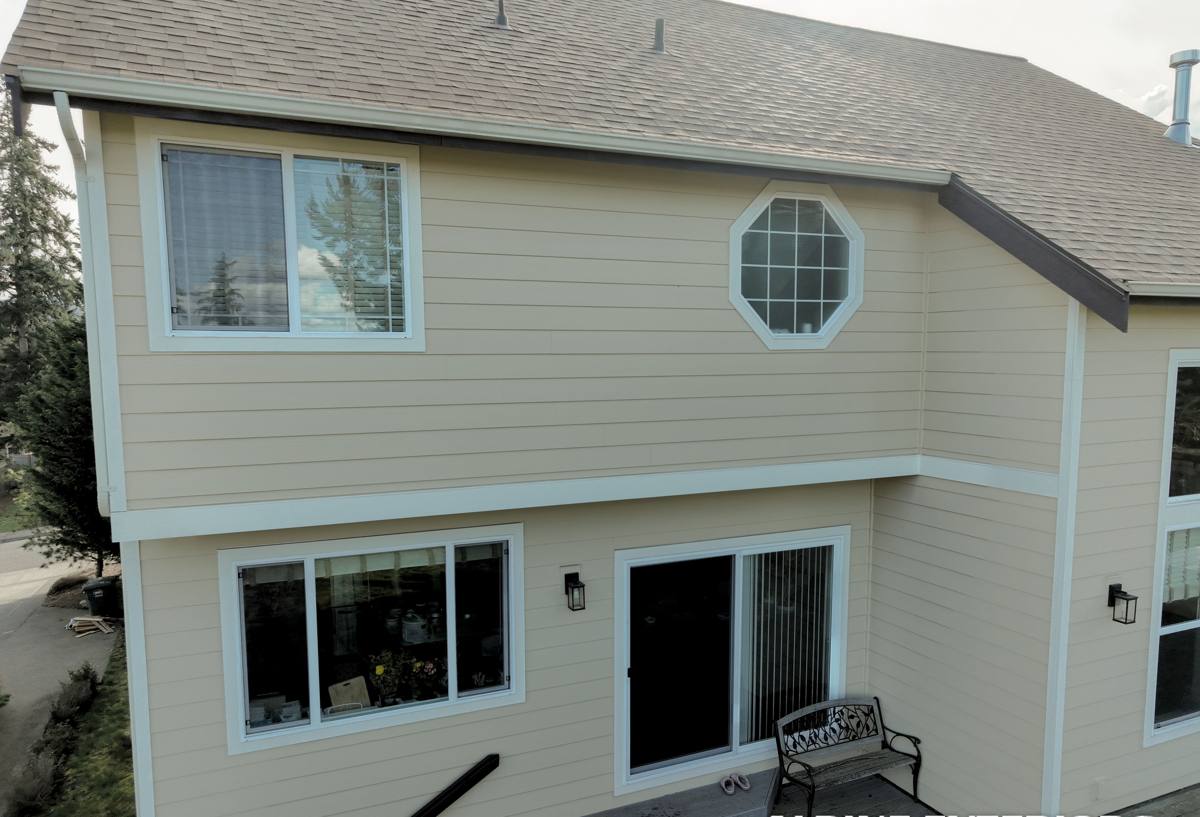
What Roof Damage Actually Looks Like on Riverview Homes
Sun and heat damage
Florida's UV load is brutal on roofing materials. Asphalt shingles lose their protective granules over time, and once enough granules are gone, the asphalt underneath starts to dry out, curl, and crack. Heat cycling — hot days, warm humid nights, repeated year-round — accelerates that aging faster than it would in a more temperate state. On older or lower-quality shingle roofs, this often shows up first on south- and west-facing slopes, where sun exposure is heaviest.
Wind and storm damage
Hillsborough County sits in a hurricane-exposed region, and even a roof that never takes a direct hit will see repeated tropical storm winds, straight-line wind events, and severe thunderstorm gusts over its lifetime. Wind gets under a shingle edge or a ridge cap, works it loose, and once one tab is lifted, the adjacent ones are more vulnerable. Wind-driven rain is the other half of that problem — during a sideways downpour, water can be pushed uphill under shingles and flashing that would otherwise shed a straight-down rain just fine.
Moisture and humidity issues
Tampa Bay's humidity keeps roof surfaces and attic spaces damp longer after a storm than they would stay in a drier climate. That extended moisture exposure is what allows small leaks to turn into rot, staining, or mold before a homeowner ever notices a drip inside the house. It's also why we pay close attention to attic ventilation and underlayment condition during a repair, not just the shingles themselves.
Common Roof Types in Riverview and How Repair Needs Differ
Riverview has grown fast over the past two decades, so the roofing stock is a mix of newer subdivision construction and older homes, with asphalt shingle and concrete/clay tile being the two roofs we see most often. Each has different failure points and repair logic.
| Roof Type | Typical Weak Points | Repair Approach |
|---|---|---|
| Architectural (dimensional) shingle | Wind-lifted tabs, granule loss, nail pops, cracked pipe boots | Section replacement with matched shingles, resealing tabs, flashing repair |
| 3-tab shingle (older homes) | Curling, brittleness from UV age, more prone to full-tab blow-off in wind | Often needs broader section repair since matching aged 3-tab is harder |
| Concrete or clay tile | Cracked or slipped tiles, failed underlayment beneath sound-looking tile | Individual tile replacement plus underlayment inspection/repair underneath |
| Flat or low-slope sections (lanais, additions) | Ponding water, membrane seam failure, UV breakdown of coatings | Membrane patching or re-coating rather than shingle-style repair |
One thing homeowners in newer Riverview communities sometimes don't realize: tile roofs can look completely fine from the ground while the underlayment beneath them has already failed. Tile itself often outlasts the waterproofing layer underneath it, so a "roof leak" on a tile home is frequently an underlayment problem, not a broken-tile problem — which changes how the repair has to be done.
What a Correct Roof Repair Actually Involves
A roof repair that actually holds up isn't just slapping sealant on the spot where water is showing up inside the house. Water travels — it can enter at one point on the roof and show up as a stain feet away inside the attic or ceiling. Doing this correctly means:
- Tracing the leak to its real entry point, not just its visible interior symptom
- Checking flashing around penetrations — vent pipes, chimneys, skylights, wall-to-roof transitions — since these are the most common failure points, not the open field of shingles
- Inspecting the underlayment and decking condition once shingles or tile are pulled back, because a repair on top of rotted decking won't last
- Matching replacement shingles or tile as closely as possible for both material and color, understanding that sun-faded existing roofing rarely matches new material perfectly
- Confirming proper nailing pattern and sealing on any replaced sections, since improper fastening is a leading cause of repeat wind damage
- Checking that attic ventilation isn't part of the problem — poor ventilation traps heat and moisture that accelerates roof aging from underneath
Skipping any of these steps is how a homeowner ends up paying for the same "repair" twice.
Our Roof Repair Process
1. Inspection and diagnosis
We start by getting on the roof, and in the attic when relevant, to find the actual source of the problem rather than just patching where water is showing up inside. We check flashing, penetrations, shingle or tile condition, and underlayment where it's exposed or accessible.
2. A clear, written explanation and estimate
We tell you what we found, why it happened, and what fixing it correctly involves — including if a full section needs to come apart rather than a quick surface patch. There's no pressure to upgrade to a full replacement if a proper repair will genuinely hold.
3. The repair itself
Depending on scope, that might mean replacing a section of shingles or tile, rebuilding flashing around a penetration, replacing damaged decking, or resealing and re-securing lifted material. We use materials suited to Florida's UV and wind exposure, not the cheapest match available.
4. Cleanup and follow-through
We clear debris and nails from the yard and gutters, and we're straightforward about what the repair covers and what to watch for going forward, especially heading into hurricane season.
Signs You Shouldn't Ignore
Roof problems in this climate rarely announce themselves loudly at first. Here's what tends to show up before a leak becomes obvious inside the home:
- Granules collecting in gutters or at downspout outlets
- Shingle tabs that look lifted, curled, or slightly out of line after a storm
- Cracked, slipped, or missing tiles, especially after high wind
- Dark streaking or staining on the roof surface or in the attic
- Soft spots when walking near roof penetrations
- Musty smell in the attic or upper floor, even without a visible stain
- Daylight visible through the roof deck from inside the attic
- Sagging or uneven rooflines, which usually points to deck or structural moisture damage
If you're seeing any of these after a Tampa Bay storm, it's worth having it looked at before the next round of rain finds the same weak spot.
Why a Crew That Already Works in Riverview Matters
Roof repair isn't just a technical skill — it's a local one. A crew that regularly works Riverview and the surrounding Hillsborough County area knows the permitting process the county requires for roofing work, understands the expectations common in the area's newer planned communities around matching materials and exterior appearance, and has a working relationship with local material suppliers so a repair doesn't stall out waiting on a shingle or tile order from outside the area.
There's also a practical response-time argument. After a significant wind event, demand for roof repair spikes across the whole Tampa Bay region. A contractor already established in Riverview and nearby communities can typically respond faster than one dispatching a crew from far outside the county, which matters when an active leak is doing damage every day it goes unaddressed.
What Affects the Cost of a Roof Repair
Every roof and every leak is different, so we don't quote a number without seeing the roof, but these are the main factors that move the price up or down:
| Factor | Why It Matters |
|---|---|
| Extent of damage | A single lifted shingle section costs far less to fix than an area with rotted decking underneath |
| Roof material | Tile repair generally involves more labor per square foot than shingle repair |
| Access and pitch | Steep or hard-to-access roof sections take longer and require more safety setup |
| Underlying decking condition | Rotted or soft decking has to be replaced before new roofing material goes back on |
| Material matching | Matching an older, sun-faded roof can require sourcing specific discontinued colors or profiles |
| Permit requirements | Larger repairs may require a Hillsborough County permit, which adds a modest administrative step and cost |
As a broad rule of thumb, an isolated, easily accessed leak repair tends to land in the low hundreds to around a thousand dollars, while repairs involving significant decking replacement, extensive flashing rebuild, or hard-to-reach sections run higher. We'll always give you the real number, in writing, before any work starts.
Ready to Get Your Riverview Roof Looked At?
If you're dealing with a leak, storm damage, or just want a second opinion on a roof that's starting to show its age, we're happy to take a look. We'll give you a straightforward assessment of what's actually going on and what it will take to fix it right — no upsell to a full replacement if a repair will genuinely do the job. Fill out the form below for a free, no-pressure estimate.