 Tampa Siding
 Windows Take More Punishment in South Tampa Than Almost Anywhere Else
South Tampa sits on a peninsula surrounded on three sides by water — Hillsborough Bay, Old Tampa Bay, and the channels that feed them. That location is why the neighborhood is so desirable, and it's also why windows here fail faster than they do a few miles inland. Salt-laden air corrodes metal hardware and frame fasteners. Direct Gulf Coast sun bakes vinyl, dries out seals, and fades interior finishes through unprotected glass. And every hurricane season, wind-driven rain tests every seam, gasket, and flashing detail a window has.
A window that's correctly sized, correctly rated, and correctly installed can handle all of that for decades. A window that's slightly wrong — even a well-known, reasonably priced product — becomes the weak point in the whole house. We install windows specifically for what South Tampa throws at them, not for a generic Florida spec sheet.
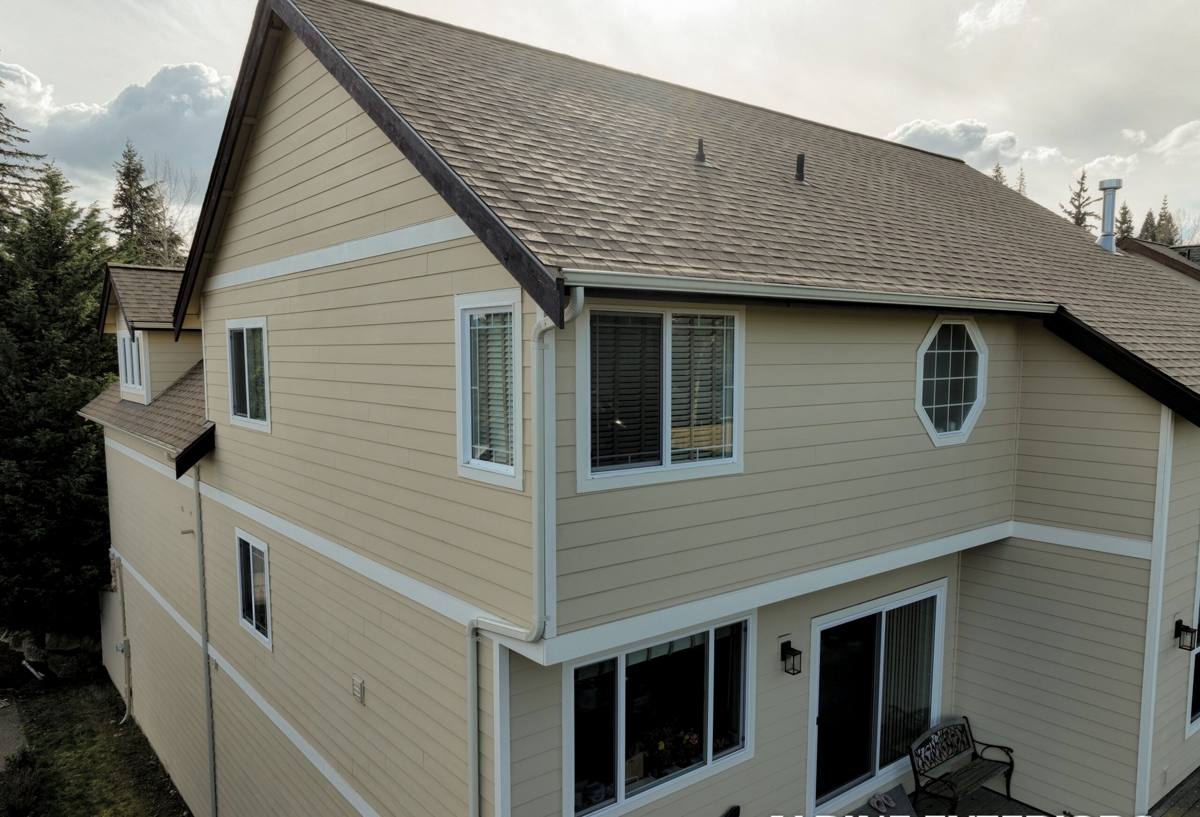
What South Tampa Homes Actually Need From a Window
Wind and Impact Resistance
Hillsborough County falls within Florida's wind-borne debris region under the Florida Building Code, which means new and replacement windows in most of South Tampa need to meet minimum wind-pressure and impact standards, or be paired with code-approved shutters. Product Approval numbers and Design Pressure (DP) ratings aren't marketing — they're the number that tells you whether a window was engineered and tested for the wind loads your specific house and exposure category will see.
Moisture and Water Management
Wind-driven rain during tropical storms doesn't fall straight down — it drives sideways into the wall assembly. A window's flashing, sill pan, and sealant details matter as much as the window unit itself. Most leaks we find during replacements aren't the old window's fault; they're a flashing or sealant detail that was never done right the first time.
UV and Heat Performance
South Tampa gets intense, nearly year-round sun exposure. Low-E glass coatings block a meaningful share of solar heat gain and UV transmission, which protects flooring, furniture, and window treatments from fading while easing the load on your air conditioning — a real cost consideration in a house that runs cooling most of the year.
Corrosion Resistance
Homes closer to the water deal with faster corrosion on hardware, screens, and fasteners. Frame material and hardware finish matter more here than they do further inland, and it's worth choosing components rated for coastal or near-coastal exposure rather than standard interior-grade hardware.
Impact-Rated Glass vs. Shutter Systems
South Tampa homeowners generally choose between two compliant approaches to wind-borne debris protection. Both can meet code; they trade off differently on cost, convenience, and daily livability.
| Approach | How It Works | Trade-offs |
|---|---|---|
| Impact-rated windows | Laminated glass and reinforced frame resist debris impact and pressure without any separate covering | Higher upfront cost; no storm-prep labor; windows stay usable and clear year-round |
| Standard windows + approved shutters | A lower-cost window paired with code-approved shutters, panels, or accordion systems deployed before a storm | Lower window cost, but shutters must be installed correctly and closed for every storm; changes the home's appearance when deployed |
Neither option is objectively "better" for every homeowner — it depends on budget, how often you're home to prep for storms, and how the house looks with shutters closed for weeks at a time during an active season. We'll walk you through both honestly for your specific home.
How We Approach Window Installation in South Tampa
1. On-Site Assessment
We measure each opening individually — older South Tampa homes especially rarely have perfectly square, uniform openings, so factory-standard sizing assumptions can leave gaps. We also check the existing sill condition, wall assembly, and any prior water damage before recommending a plan.
2. Product Selection
We go over frame material, glass package, and DP rating options based on your home's exposure, budget, and whether you're planning to pair standard windows with shutters or go with impact-rated glass throughout.
3. Removal and Opening Prep
Old windows come out carefully to avoid damaging the surrounding stucco, siding, or trim. We inspect the opening for rot, corrosion, or prior flashing failures and address those before anything new goes in — installing a good window into a compromised opening just hides the problem.
4. Flashing and Sealing
This is the step that determines whether a window leaks in five years. Proper sill pan flashing, weather-resistant barrier integration, and code-compliant sealant application around the full perimeter are non-negotiable, not upsells.
5. Setting, Shimming, and Fastening
Windows are set plumb, level, and square, shimmed correctly, and fastened per the manufacturer's tested installation instructions — the specific pattern that keeps the Product Approval and warranty valid.
6. Interior and Exterior Finish
Trim, caulking, and paint or finish work are completed to match the surrounding wall, and every unit is tested for smooth operation and a tight seal before we call the job done.
Signs Your South Tampa Home's Windows Need Attention
- Visible fog or moisture between panes on double- or triple-pane windows — a sign the seal has failed
- Wood frames that are soft, discolored, or show rot near the sill
- Hardware (locks, cranks, hinges) that's corroded, stiff, or won't latch fully
- Drafts or a noticeable temperature difference near the window when the AC is running
- Difficulty opening or closing, or a window that's stopped sitting flush in its frame
- Peeling paint, bubbling, or staining on the interior wall below or beside a window — often a sign of a slow leak
- Single-pane or clearly outdated glass in a home that hasn't been updated since original construction
- Noticeably higher cooling bills compared to similar-sized homes nearby
Matching Window Style to South Tampa's Housing Mix
Older Bungalow and Mediterranean Revival Homes
South Tampa has a real concentration of homes from the 1920s through the 1950s, many with original divided-light windows, arched openings, or details tied to a particular architectural character. Some of these homes also sit within local historic or conservation overlay districts, which can affect what window styles and materials are allowed on street-facing elevations. We'll flag if your property may fall under those rules before you commit to a product, so there are no surprises with permitting.
Newer Construction and Renovated Homes
Where a home has already been updated or built new, there's usually more flexibility on frame material and style — impact-rated aluminum and vinyl both perform well, and the decision comes down more to budget, appearance preference, and long-term maintenance tolerance than code restrictions.
What Affects the Cost of a South Tampa Window Project
| Factor | Why It Matters Here |
|---|---|
| Impact rating vs. standard glass + shutters | Impact-rated units cost more per window but remove the need for storm prep and separate shutter hardware |
| Frame material | Vinyl, aluminum, and composite options vary in upfront cost, coastal corrosion resistance, and expected service life |
| Opening condition | Older homes with rot, out-of-square openings, or prior water damage need repair work before install, adding labor |
| Historic or overlay district rules | Approved materials and styles may be more limited, which can narrow product options |
| Number and size of openings | Larger or custom-sized openings, and whole-house versus partial replacement, scale cost accordingly |
| Glass package | Low-E coatings and gas-filled insulated glass add cost but improve UV protection and energy performance |
We don't quote from a generic price list — every estimate is based on your actual openings, home condition, and the protection level you want, explained in plain terms before you sign anything.
Why a South Tampa–Familiar Crew Makes a Difference
A crew that regularly works South Tampa already understands the practical realities other installers have to learn on the fly: how common out-of-square openings are in the neighborhood's older housing stock, which streets and properties sit in overlay or flood-zone areas with extra permitting steps, and what wind exposure and salt air actually do to hardware over a few Gulf Coast summers. That local pattern recognition shows up in fewer surprises mid-project and a finished install that's sized, sealed, and fastened the way this specific climate demands — not a one-size-fits-all approach carried over from a different market.
It also means straightforward permitting. Hillsborough County and City of Tampa permitting for window replacement is standard, but knowing the local process and inspection expectations keeps a project moving instead of stalling on paperwork.
Caring for New Windows After Installation
Even a correctly installed, code-rated window benefits from basic upkeep in a coastal climate. Rinse frames and hardware periodically to clear salt residue, especially on homes closer to the bay. Check and clear weep holes so water can drain instead of pooling. Inspect exterior caulking annually, since Florida's heat and UV cycle can dry out sealant faster than in milder climates. And operate locks and cranks a few times a year even if you don't regularly open the windows, so hardware doesn't seize.
Get a Straight Answer on What Your Windows Need
Every South Tampa home is a little different — age, exposure, prior repairs, and whether it sits in an overlay district all factor into the right window plan. If you'd like an honest look at your current windows and a clear estimate with no pressure to decide on the spot, use the form below and we'll set up a time to come take a look.