 Tampa Siding
 Asphalt Shingle Roofing Built for Valrico's Climate
Valrico sits inland from Tampa Bay in Hillsborough County, but "inland" doesn't mean "sheltered." Homes here still take a direct hit from the same weather systems that move through the greater Tampa Bay area: tropical systems and hurricane-force wind gusts in season, near-constant summer humidity, and some of the most intense UV exposure in the continental United States. A roof that isn't built and installed correctly for this combination doesn't fail gracefully — it fails at the worst possible time, usually during a storm.
Asphalt shingles remain the most common roofing material on Valrico homes because, done right, they hold up well against this climate at a reasonable cost. The key phrase is "done right." Shingle roofing is a forgiving-looking product that's actually sensitive to installation detail — nailing pattern, underlayment choice, flashing work, and ventilation all matter more here than they would in a milder climate. Get those details wrong and a shingle roof that should last two decades can start leaking or losing shingles in five years.
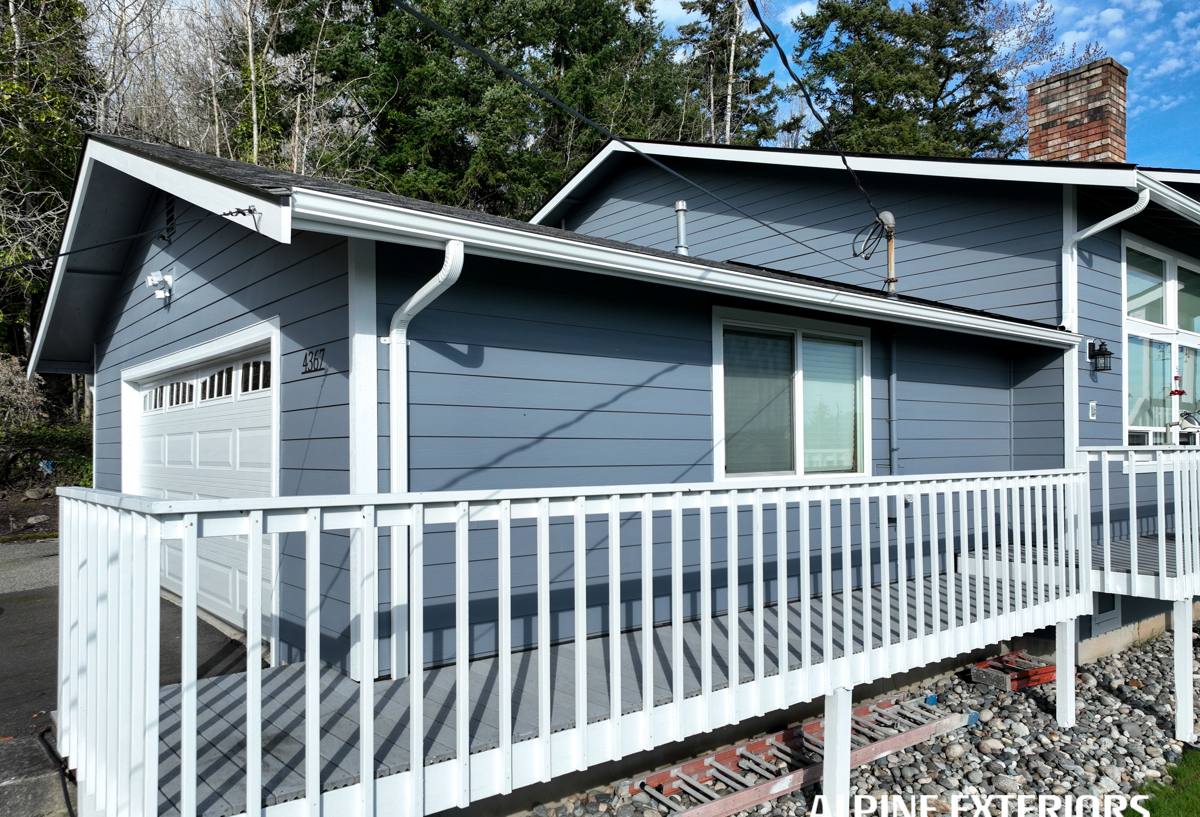
What Valrico's Weather Actually Does to a Shingle Roof
Heat and UV
Central Florida gets sun exposure most of the year, and asphalt shingles absorb and radiate that heat directly into the attic below. Over time, UV breaks down the asphalt binders in the shingle, causing granule loss, brittleness, and premature aging — especially on south- and west-facing roof slopes that catch the most direct sun.
Wind and Uplift
Hillsborough County sees tropical storm and hurricane wind events almost every season. Wind doesn't just push on a roof — it creates uplift pressure at the edges, corners, and ridge that tries to peel shingles away from the deck. A shingle roof's wind resistance is determined almost entirely by installation: nail count, nail placement, and whether the sealant strip on each shingle actually bonded.
Wind-Driven Rain
During storms, rain in this region rarely falls straight down. Wind pushes it sideways and even upward under shingle edges, drip edges, and around penetrations like vent pipes and chimneys. A roof that would stay dry in a calm rain can leak badly in a wind-driven event if flashing and underlayment weren't installed to handle that direction of water travel.
Humidity and Attic Moisture
Year-round humidity means any moisture that gets into an attic — through a poor vent, a cracked pipe boot, or condensation from inadequate airflow — tends to stay there longer than it would in a drier climate, which accelerates deck rot and mold growth under the shingles.
What a Correct Shingle Roof Installation Involves Here
A shingle roof isn't just shingles nailed to plywood. In a climate like Hillsborough County's, every layer underneath the shingles is doing real work.
- Deck inspection and repair: Any soft, delaminated, or water-damaged sections of the roof deck get replaced before anything else goes down — shingles are only as good as what they're fastened to.
- Underlayment: A synthetic or self-adhering underlayment provides a secondary water barrier if wind-driven rain gets past the shingles, which it eventually will at some point in a roof's life.
- Ice-and-water-style membrane at vulnerable points: Valleys, eaves, and areas around penetrations get extra waterproofing, not just field underlayment.
- Drip edge and flashing: Properly formed metal at eaves, rakes, valleys, and wall intersections directs water off the roof instead of behind fascia or siding.
- Correct nailing pattern: Florida Building Code specifies nail count and placement for wind resistance — this is not optional in a hurricane-prone county, and it's the single biggest factor in whether shingles stay put in high wind.
- Ventilation: Balanced intake and exhaust airflow keeps attic temperatures and moisture in check, protecting both the shingles from below and the deck itself.
Signs a Valrico Roof Needs Repair or Replacement
Shingle roofs rarely fail all at once. They show warning signs first, and catching them early is almost always cheaper than waiting for a leak to show up on the ceiling.
| What You See | What It Usually Means |
|---|---|
| Granules collecting in gutters or at downspouts | Normal in small amounts as shingles age; heavy, ongoing loss signals accelerated wear |
| Curling or cupping shingle edges | UV and heat breakdown of the asphalt, often meaning the shingle has lost its flexibility and wind resistance |
| Shingles missing after a storm | Sealant strips or nailing didn't hold; exposed deck needs immediate attention to prevent water intrusion |
| Dark streaking or moss/algae growth | Usually cosmetic (algae staining), but persistent moisture retention can hint at ventilation issues |
| Soft spots or sagging when walked | Deck damage from long-term moisture intrusion — needs deck repair, not just new shingles |
| Daylight visible in the attic | Active gap or failed flashing that needs repair now, not a maintenance-cycle item |
Choosing a Shingle Product
Not every asphalt shingle is built for the same level of wind and impact exposure, and the right choice depends on the roof's exposure, the home's HOA or aesthetic requirements, and budget.
| Shingle Type | Typical Wind Rating | Best Fit |
|---|---|---|
| 3-tab (strip) shingles | Lower wind ratings, lighter weight | Budget-conscious projects; less common on new installs in high-wind counties |
| Architectural / laminate shingles | Higher wind ratings, heavier and more layered | Most common choice for Hillsborough County homes — better wind performance and appearance |
| Impact-rated (Class 4) shingles | Rated for resistance to hail and wind-borne debris impact | Homeowners wanting maximum durability, and sometimes eligible for insurance premium credits |
We install architectural shingles on the large majority of Valrico homes because the wind performance and appearance justify the modest cost difference over 3-tab products. We'll walk through the tradeoffs honestly, including where a Class 4 impact-rated product may make sense for a specific insurance situation.
Our Process
We approach every shingle roof project the same methodical way, whether it's a full replacement or a targeted repair.
- On-site inspection: We walk the roof and attic, checking deck condition, ventilation, flashing, and the extent of any existing damage before recommending repair versus replacement.
- Honest scope and estimate: You get a clear written estimate that spells out materials, underlayment system, and any deck repair — no vague allowances.
- Permitting: Roofing work in Hillsborough County requires a permit and inspection. We handle that process so the work is documented and code-compliant, which matters for resale and insurance.
- Tear-off and deck repair: Old roofing comes off down to the deck so we can actually see what we're building on, not guess at it.
- Underlayment, flashing, and shingle installation: Installed to Florida Building Code wind requirements, not just manufacturer minimums.
- Final walkthrough and cleanup: We review the finished roof with you and make sure the property is cleared of debris and stray nails.
Ventilation: The Step That Gets Skipped
A shingle roof's warranty and lifespan both assume proper attic ventilation, but it's one of the most commonly shortcut parts of a re-roof. Intake vents (typically at the soffit) and exhaust vents (ridge or box vents) need to work together to move hot, humid air out of the attic continuously. Without it, shingles bake from underneath as well as from the sun above, and moisture has nowhere to go — both of which shorten the roof's usable life regardless of how good the shingle product is. When we replace a roof, we evaluate existing ventilation and correct it if it's inadequate, rather than just reinstalling whatever was there.
Permits, Codes, and Insurance in Hillsborough County
Florida's building code includes specific wind-uplift and fastening requirements for roofing, and Hillsborough County enforces permitting and inspection on reroofing work. Beyond being a legal requirement, a permitted, inspected roof matters for two practical reasons: it protects you if there's ever a warranty or insurance dispute down the line, and many insurers ask for proof of the roof's age, permit, and wind mitigation features when writing or renewing a policy. A properly documented, code-compliant installation can also support a wind mitigation inspection that may lower insurance premiums.
Why Local Experience in Valrico Matters
Roofing crews who regularly work Hillsborough County know the inspection process, the permitting office's expectations, and how local homes are typically built — details that matter more than they might seem to from the outside. We're not learning Florida wind code requirements or the county permitting process on your project; that's baseline knowledge for every job we run in this area. That familiarity translates into fewer surprises during inspection, a smoother permitting timeline, and a roof installed to the standard this climate actually demands rather than a generic national spec sheet.
Maintaining an Asphalt Shingle Roof in This Climate
Even a correctly installed shingle roof benefits from periodic attention, particularly after storm season.
- Have the roof visually inspected after any major wind event, even if there's no visible leak yet
- Keep gutters and downspouts clear so water isn't backing up under the roof edge
- Trim overhanging branches that can abrade shingles or drop debris during storms
- Check attic ventilation isn't blocked by insulation or debris
- Address small leaks or missing shingles promptly rather than waiting for the next storm to make it worse
- Schedule a professional inspection roughly every couple of years, even absent obvious problems
Get a Free Estimate
If you're dealing with storm damage, an aging shingle roof, or you're just planning ahead before the next hurricane season, we're happy to take a look and give you a straight answer about what your roof actually needs. Reach out for a free, no-pressure estimate using the form below.